Jessica Walliser Columns category, Page 2

The best evergreen ground covers for a slope
Question: We are looking for some ground covers that stay green all winter long. We have a steep slope behind the garage that currently is filled with clumps of daylilies. We like them, but they die back in the winter. We’d like to plant some type of evergreen ground cover...
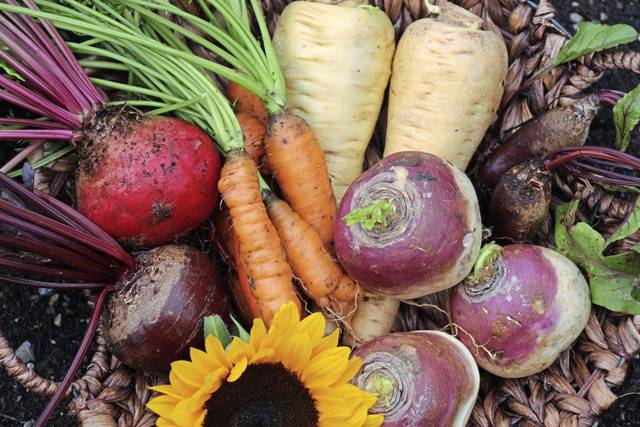
How to keep root crops in the ground for winter harvests
There’s nothing quite like pulling a homegrown carrot from the soil for a winter meal. If you’ve never managed this feat before, perhaps this will be your year! Overwintering root vegetables is easier than you think, if you employ a successful overwintering strategy. While many gardeners store harvested root crops...
How to care for a frost-damaged lipstick plant
Question: My daughter lives in Georgia and has had a healthy, blooming lipstick plant for years. Primarily it lives inside, but she puts it on the patio in summer. A few days ago while daytime temps were in the 70s, they had a frost or freeze while she was out...

How to grow and enjoy celeriac (AKA celery root)
If celeriac hasn’t yet found its way into your garden plot, make next year the year. This surprisingly tasty, bulbous root can be eaten fresh in salads, or cooked and used in soups and stews. Softball sized and looking like a lumpy chunk of tree bark, celeriac, also called celery...

The scoop on hardy hibiscus, their common pests
Question: When can I cut back my hardy hibiscus? Also, something devastated the leaves on my hardy hibiscus this summer. How can I prevent this from happening again? Answer: Hardy hibiscus (Hibiscus moscheutos) are show-stopping late-season bloomers for sunny gardens. These big beauties are hardy down to -20 degrees F,...
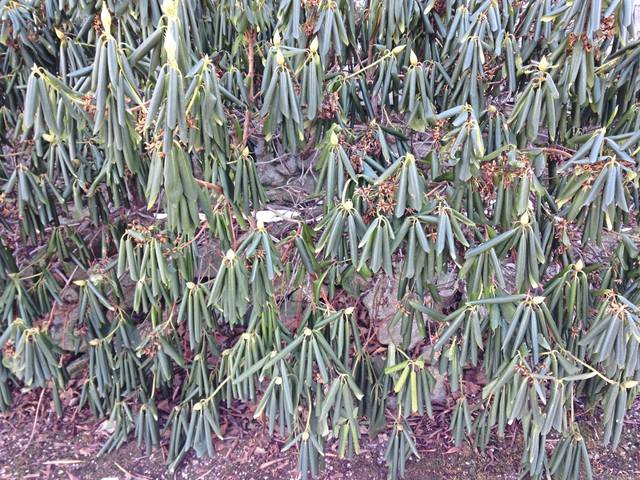
Finish up these final fall garden chores
While the important message to “leave the leaves” has hopefully kept most gardeners from raking up every last leaf in their landscape (leaves are critical overwintering habitat for many creatures and should be left in flower and shrub beds for the winter), there are still plenty of other things to...

Canna roots must be dug, stored for the winter
Question: We had several huge canna lilies in our garden this year. They have now been killed by these recent cold temperatures. Is it too late to dig them up? If we do, how do we keep them through the winter? Answer: Cannas are beautiful, tropical plants that make a...
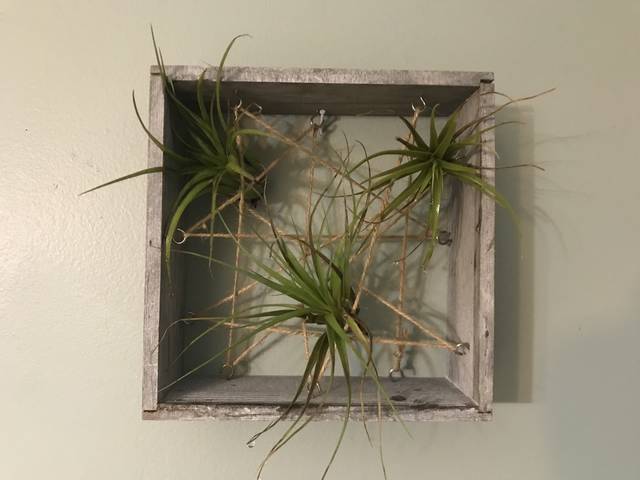
Air plants are fun to grow, but they do require some special care
Air plants have made a comeback. These members of the bromeliad family, known as Tillandsia, were popular with 1970s houseplant growers, and they’re now back in vogue. While many folks think these cute little plants survive on just air, they’re mistaken. Air plants need a little more TLC than you...
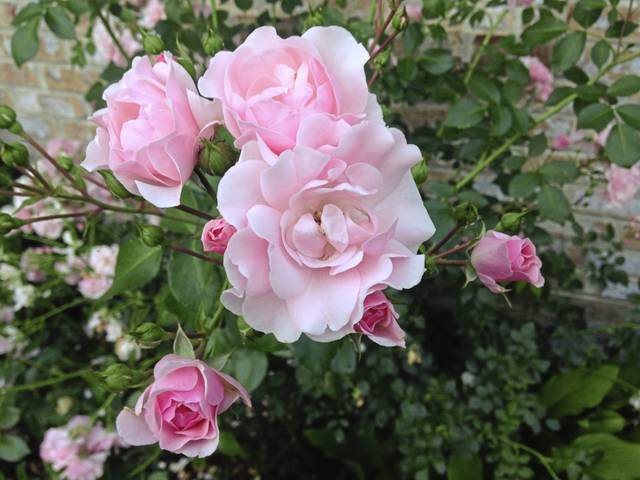
5 tips for getting those roses through the winter
Question: We have several roses growing in our new backyard. The previous owner planted them, so we’re not sure what kind they are. Now that cold weather has arrived, what should we do to care for the plants through the winter? Answer: It’s difficult to know exactly how best to...
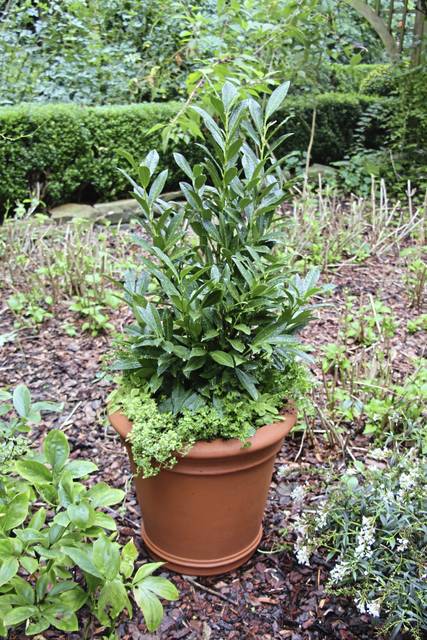
How to harvest fresh herbs in the winter
While the first frost certainly signals the end of fresh basil harvests, it doesn’t have to signal the end of all herb harvests, especially if you’re willing to get a little creative. With a little effort, you can harvest several types of fresh herbs all winter long by potting up...
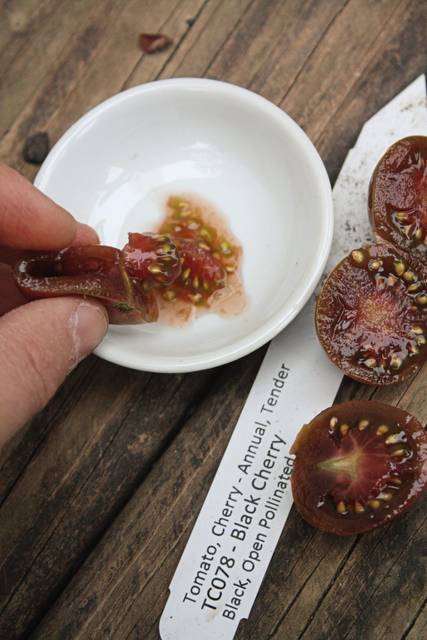
These are the best ways to save seeds
Question: Now that the gardening season is over, we would like to save some seeds from our flowers and vegetables to replant in the garden next year. What’s the best way for us to do this, and can we save seeds from all plants or just certain ones? Answer: Saving...
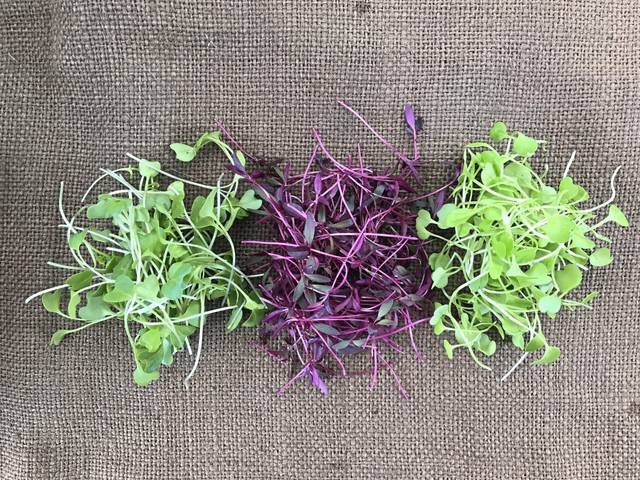
Grow your own microgreens
Growing microgreens is a great way to get some homegrown veggies into your diet during the winter months. Microgreens are the young shoots of various plants, harvested soon after the seedling develops its first set of leaves. Microgreens are somewhere in between the “sprout” stage and the “baby greens” stage...

How to enjoy an extended parsley harvest
Question: We grew a few parsley plants in containers this year. I have three curly plants and two flat-leaved plants. Now that cold weather is here, what should I do with the plants? Will they survive the winter? I don’t think we can eat all the parsley before it would...

How to grow figs, pick the best varieties for cold climates
You might be surprised to learn that figs (Ficus carica) thrive in Western Pennsylvania, with a little help and winter protection, of course. Though many varieties of this fruit have been selected for improved cold hardiness and early ripening, you’ll want to select a warm location with southern exposure to...

Pick the best native shrubs for birds
Question: We have a new area to plant along the property line with our neighbors. We’d like to plant some native shrubs that produce berries because we’d like to help feed the birds in the wintertime. Do you have any suggestions of berry shrubs we can include in the border?...

How to thresh dry beans
If you grow beans for drying in the garden, harvest time is here. Dried beans are ready for harvest as soon as the pods turn completely dry and begin to crack open. After the dried pods are harvested, you’ll need to thresh and store the beans for later use. Threshing...
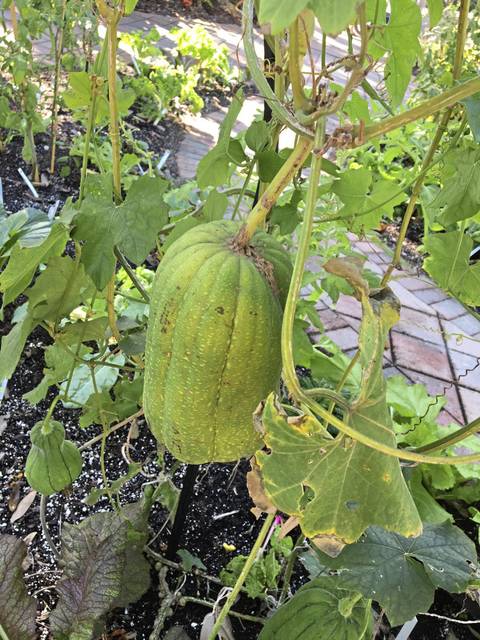
Is that compost squash surprise edible?
Question: I have a question about volunteer squash plants in my compost pile. More than likely they are from butternut seeds. A few look true, a couple have narrower crooked necks and one is gigantic! Are they edible? Answer: Some plant families are self-pollinating, including beans, peas and tomatoes. That...

3 ways to deal with deer in the garden
Four-legged, fur-covered garden pests are many. From voles and groundhogs to chipmunks and squirrels, sometimes it seems like backyard critters enjoy our gardens more than we do! But, no four-legged garden interloper is as problematic for Western Pennsylvania gardeners as deer. As the white-tailed deer population expands and suburbia continues...

3-step plan for limiting fungal diseases in next year’s garden
Question: We had a terrible issue with different plant diseases in this year’s garden. So many of our perennials and vegetables developed spots or mold on the leaves. I know it was a really wet spring and that makes this sort of thing worse, but is there anything we can...
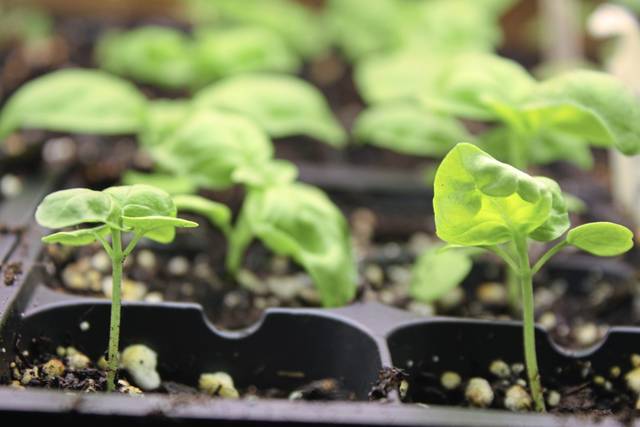
3 ways to propagate herbs
I grow many herbs in my garden. I use them for cooking and for making my own herbal tea blends. While I do purchase herb plants from the nursery, I also try to save money by propagating my own herb plants. Thankfully, propagating most common herbs is easy. Depending on...

Pruning techniques for burning bushes
Question: I have two gorgeous, big burning bushes in my yard that are really, really in need of trimming. I don’t want to trim before they put on their autumn show, but I need to know when is the best time to trim and how much can I really cut...

Mexican sunflower attracts pollinators galore to garden
Late every summer, I’m amazed at how different my flower garden looks than it did in the spring. While I grow many perennials that produce beautiful blooms, the show-stoppers in my garden are often the annuals I plant. I always make it a point to grow cosmos, sunflowers, marigolds and...
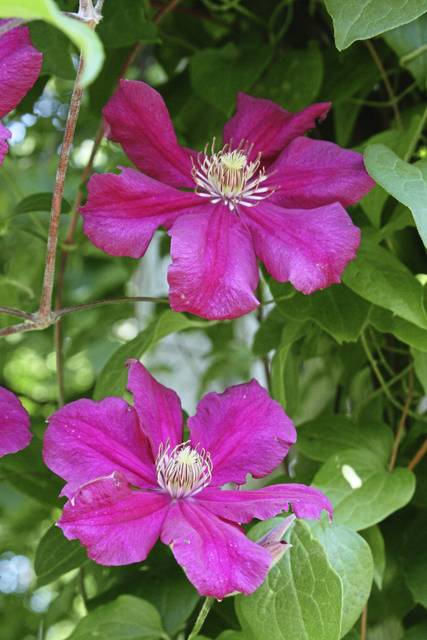
Clematis pruning is not one size fits all
Question: I know there are three types of clematis. And that the specific type determines when the clematis should be cut down. Can you give some direction as to when each should be cut, and perhaps what some of the most common varieties are? Answer: Clematis is a popular flowering...

Learn about 5 beneficial insects in the garden
While some gardeners still think that any bug in the garden is a bad bug, change is in the air. Most plant-lovers now realize that insects and plants go hand-in-hand and that there are far more beneficial insect species than there are harmful ones. In fact, of Earth’s million insect...

Do deer contaminate garden crops through their droppings?
Question: Can rhubarb be eaten even though deer roam through the rhubarb patch? Amswer: Deer droppings do have the potential to transmit both E. coli and chronic wasting disease (CWD), the latter of which is specific to deer and elk and has symptoms similar to mad cow disease. CWD has...