
As the covid-19 crisis continues to worsen, many more people are looking for help putting food on the table.
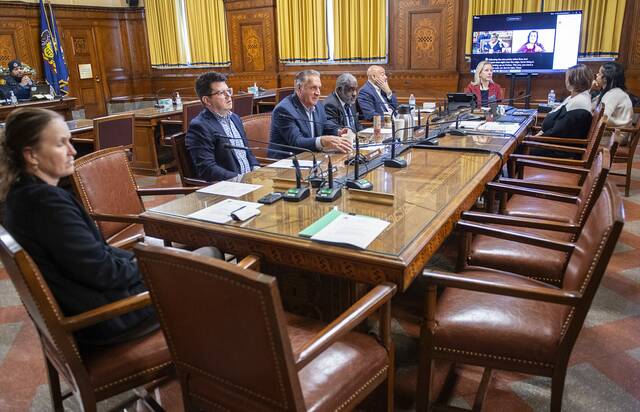
That’s the message Greater Pittsburgh Community Food Bank president and CEO Lisa Scales gave during a Governing in Crisis virtual discussion this week.
Scales told the Trib reservations for drive-up food distributions were between 150% and 200% higher in November than in October.
“For the week of Nov.15, we had (nearly 53,000) unique page views in our website,” Scales said. “This is higher than the week of March 15 (when the covid crisis began).
“It’s important to note that people were in line for food assistance before the pandemic struck. But because of the pandemic there was a dramatic increase in need practically overnight.”
Scales is particularly worried about 113,000 children in Southwestern Pennsylvania who are now food insecure.
“That’s 25% of children in our region,” Scales said. “I have a passion for ending childhood hunger. Nobody should go hungry in this country. And you think about kids going to bed hungry, it really is heartbreaking.”
In response to the need, Scales said the food bank has added a permanent call center and hired more staff to handle the ever-increasing amount of calls from people whose unemployment benefits have run out and/or who have depleted their savings.
“On our website we have a ‘Get help’ button at the top. We have seen the highest number of clicks on that ‘Get help’ page than we’ve had since April just in this last month,” Scales said.
Can the food bank keep pace?
The question is whether the food bank can keep up with the increasing demand for food.
“Our food supply is strong right now,” Scales said. “But I do have a concern that depending on how much the need increases over the winter, I’m not guaranteeing that our food supply will stay strong.”
Scales said the covid-19 crisis has led the food bank to establish a life stabilization team that addresses housing, employment and health and wellness concerns in addition to issues related to hunger.
“We’re not the same food bank coming out of this,” she said. “We’re forever changed because of what we’ve learned in our response.”