


When irreplaceable spaces disappear from the Pittsburgh landscape, the damage to historical records is permanent.
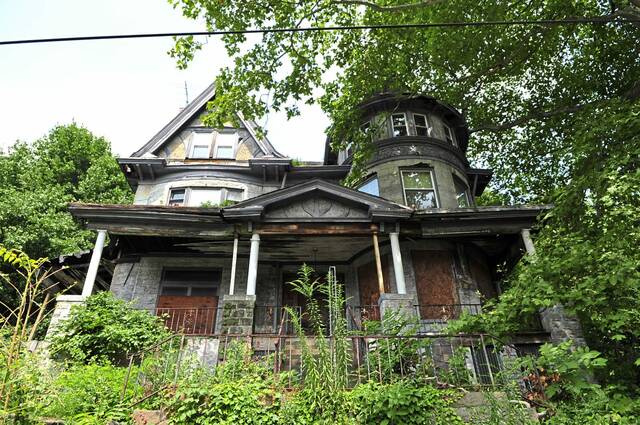
That’s the view of North Side resident Jonnet Solomon, who has dedicated 25 years to the preservation of the National Opera House, a Queen Anne-style mansion on the border of the city’s Homewood and Lincoln-Lemington sections.
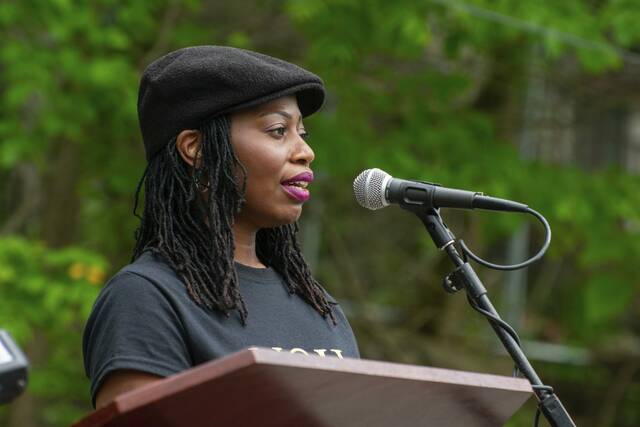
“Losing the Opera House would mean the loss of evidence that certain people were ever here, ever built, ever led, ever created or ever had value,” said Solomon, a Duquesne University alum and executive director of the nonprofit National Opera House.
Solomon will be the guest speaker during a free program Feb. 10 in Fox Chapel.
The session begins at 10 a.m. and is open to the public. It is hosted by the Fox Chapel Area affiliate of the American Association of University Women.
When Solomon signed the papers to buy the mansion in 2000, $18,000 seemed like a bargain for the structure that once housed the National Negro Opera Company. The parlors, the hallways, the elegant staircases all echoed with the voices of the likes of Count Basie, Lena Horne and Duke Ellington, she said.
Two decades later, and a successful $2 million preservation project under her belt, Solomon is forging ahead with a capital campaign to renovate the house on Apple Street, which she called a place of enormous cultural and historical significance for the Pittsburgh region and beyond.
The home was a center of Black community life when William “Woogie” Harris, one of Pittsburgh’s first black millionaires, bought the property in 1930.
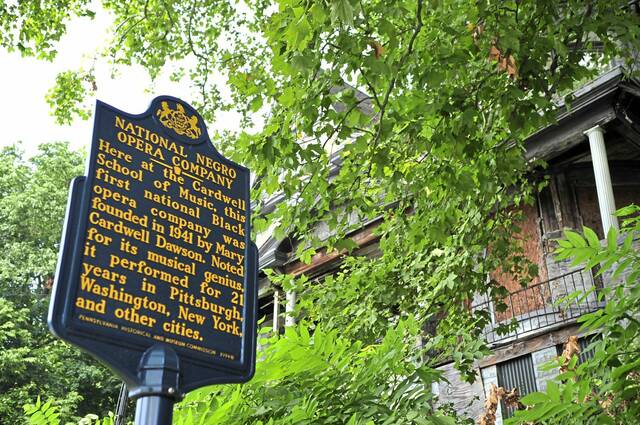
It later rose to national significance in 1941, when musician and educator Mary Cardwell Dawson rented the third floor as an office and rehearsal space for the National Negro Opera Company, according to the group’s website.
Solomon, whose family moved to Pittsburgh from Guyana in 1986, said the project to salvage the Opera house has changed her life.
“Without preserved sites, there is no proof to point to, no ground to stand on when claiming legacy, ownership or contribution,” Solomon said.
She is passionate about making sure the mansion’s history doesn’t become abstract or sanitized.
“It is important to talk about this topic because historical narratives do not simply fade,” Solomon said. “They are rewritten intentionally by developers, by dominant institutions and by convenience until absence is mistaken for insignificance.”