Selecting a jury in death penalty cases is a complex, arduous process, experts say, and it’s no surprise that selection in the 2016 Wilkinsburg mass shooting will head into its second week Monday.
“It can take time to seat a jury, and when you’re in a capital case, it’s going to take more time because of that component,” said Mark Calzaretta, a jury consultant with Philadelphia-based Magna Legal Services. “They’re going to have to decide whether to put these people to death — to act as judge in judgment. It’s hard to find people willing to do that.”
Cheron Shelton, 32, and Robert Thomas, 31, face five counts of homicide, one count of homicide of an unborn child and a slew of other charges related to the March 9, 2016, massacre at a backyard cookout on Franklin Avenue.
Jury selection in the case began Jan. 6, and eight jurors were seated over five days.
Allegheny County Common Pleas Judge Edward J. Borkowski has said the case will last up to three weeks, and he does not plan to sequester the jury.
Defense attorney Tom N. Farrell, who has defended more than a half-dozen death penalty cases but is not involved in this case, said prosecutors and defense attorneys are on different tracks when they interview potential jurors.
“It’s a more difficult time for lawyers on both sides,” said Farrell, of Farrell and Associates. “As a defense attorney, it might be more difficult. Prosecutors, most of the time, they want to get a conviction first and then if they get the death penalty, they get the death penalty.”
Prepare death strategy, even if client innocent
Defense attorneys have to think ahead to the sentencing phase even if they believe their client is not guilty, Farrell said, because they have to be ready if their client is convicted.
Each defendant in the Wilkinsburg case has two defense attorneys and 10 peremptory challenges, which allows a defendant to disqualify a juror without stating a reason.
Those, Farrell said, are often “a crapshoot.”
“We live in a world of generalities,” he said. “This person is a housewife — is that a good thing? They have children — is that a good thing? Is your client young? That might be a good thing then.”
He said it is easy to forget about the defendant in the process.
“When you’re picking the jury, it’s the defendant’s jury,” Farrell said. “You (the defense attorney) are the person in charge, you are the driver of the bus, you are the person that makes the ultimate decision. But that individual? That’s their life.”
Wendy Williams and Randall McKinney represent Shelton. Thomas is represented by Casey White and Michael Machen.
Prosecuting the case are Deputy District Attorney Kevin Chernosky and Assistant District Attorney Lisa Pellegrini.
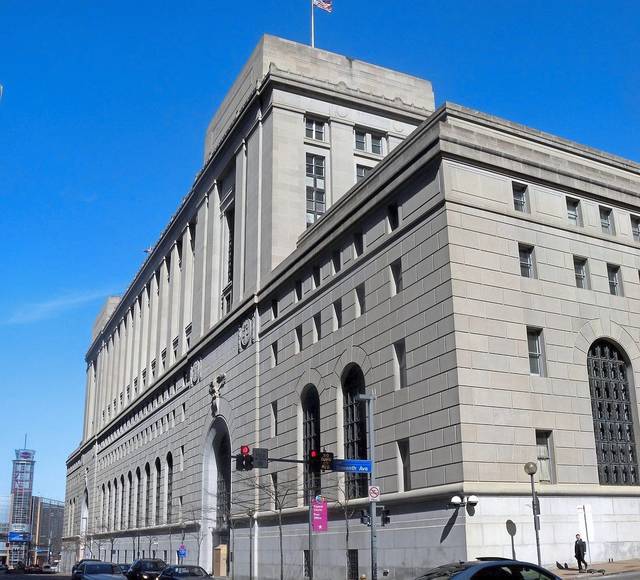
Most potential jurors who passed through the conference room on the fifth floor of the Allegheny County Courthouse have either been excused for hardship — they cannot afford to miss work, they have pre-planned vacations — or stricken for cause.
The latter means they were dismissed by attorneys because they’ve shown they could not be impartial. The most common reasons have been strong feelings about the death penalty or a willingness to believe police over other witnesses.
Questioning jurors can seem intense
Sussing out a prospective juror’s potential biases takes time, Farrell said.
“You feel like you’ve got the whole world in front of you,” he said. “You’re trying to analyze this person in 45 minutes.”
That’s why the questioning can seem so intense, he said.
“A lot of people, they automatically say, ‘I’m opposed to the death penalty,’ ” Farrell said. “Well, we’re all opposed to killing people, but can you follow the law? That’s the question.”
While attorneys don’t want jurors who will refuse to prescribe the death penalty, they also don’t want someone who is too willing or flippant about sending someone to death, Calzaretta said.
“That scale can slide both ways,” he said. “Some people are just uncomfortable with that level of intensity, in making that decision. It’s hard to seat a jury, period.”