
Rabies vaccine baits will be dropped from helicopters for the first time in Allegheny County, the county’s health department said.
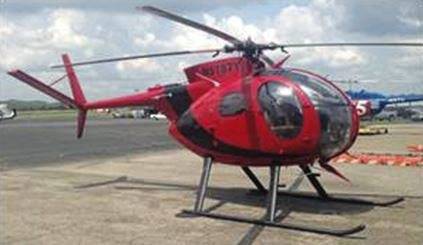
The baits will be dropped by hand in most parts of the county, but officials will use helicopters to make drops in remote areas.
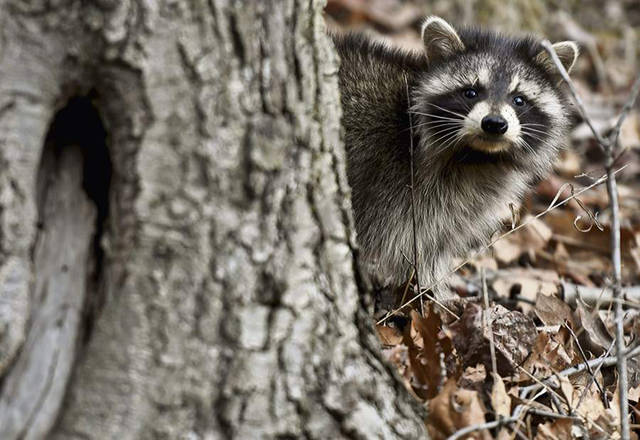
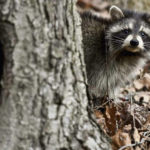
The baits are part of an 18th annual program sponsored by the U.S. Department of Agriculture’s Wildlife Services’ National Rabies Management Program, aimed at eradicating rabies in raccoons. Baits will be dropped in all of Allegheny County and parts of Ohio and West Virginia by hand, helicopter and airplane, the USDA said.
Allegheny County will get 300,000 baits dropped to all of its 130 communities starting Aug. 5 until Aug. 21, said the Allegheny County Health Department.
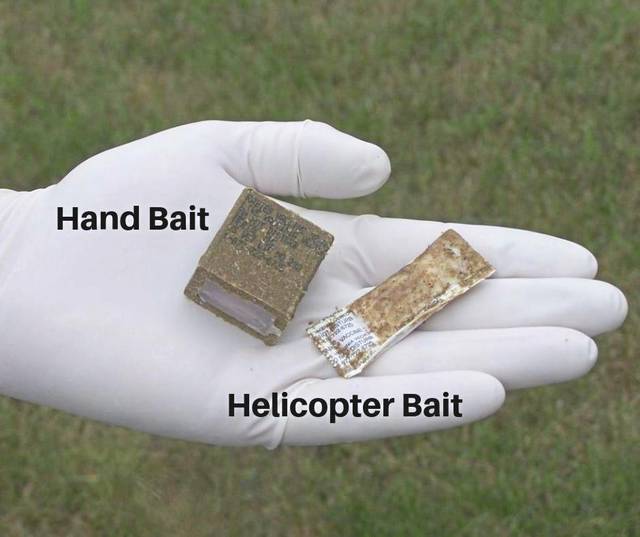
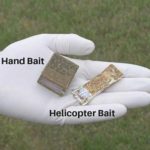
The 18th annual raccoon rabies baiting program is underway and will run through 8/21. During this time more than 300,000 baits will be distributed in all 130 municipalities across the county. See below for bait examples & read more: https://t.co/8LRDzVEpxR pic.twitter.com/U4QEkmHjoN
— Allegheny County (@Allegheny_Co) August 5, 2019
Helicopters will be used to drop the baits Aug. 18-21 in the western part of Allegheny County and parts of Beaver, Mercer and Washington counties, said Timothy Linder, a USDA wildlife biologist. Small airplanes will be used to drop the baits in other parts of Washington, Greene and Fayette counties, along with Erie, Crawford, Mercer and Lawrence counties from Aug. 23 to Sept. 10.
The planes and helicopters will also be used to drop baits in parts of Ohio and West Virginia, which has been done in the region for a number of years, said Linder.
The helicopters are owned and operated by the USDA. They are red with black stripes along the body with the tail numbers N518Y, N6186U and N58479. They will be based at the Beaver County Airport. They are expected to fly at 200 feet while dropping the baits, which are filled with a pink liquid and have a fish odor.
Raccoons that eat the bait will be vaccinated of rabies by developing antibodies in two to three weeks after ingesting it. The health department said the vaccines may protect raccoons from other infected animals and if enough are vaccinated, the risk of the spread of rabies will be greatly reduced.
The health department urges residents to bring food inside that raccoons could eat make sure they are hungry enough to eat the bait.
The bait is not fatal if eaten by dogs or other pets, but could cause an upset stomach or diarrhea, the health department said.
Contact with the bait should be avoided. If it must be moved, latex gloves are recommended.
The baiting program is one of many in a multi-state effort to eradicated raccoon rabies. The program has led to a steady decline in cases of rabid raccoons.
So far this year, 13 raccoons, two bats and one cat have tested positive for rabies.
Rabies is transmitted by an animal bite or scratch. The virus can be fatal when exposures are left untreated.
Rabies vaccines are highly effective when given promptly after an exposure.
Visit the website for more information on the baiting project.