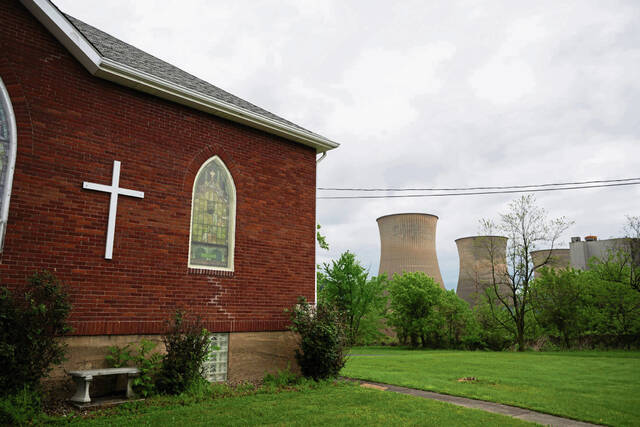


Beaver County’s tiny Shippingport, home to about 150 people, is positioned to become a center of Western Pennsylvania’s energy and AI boom.
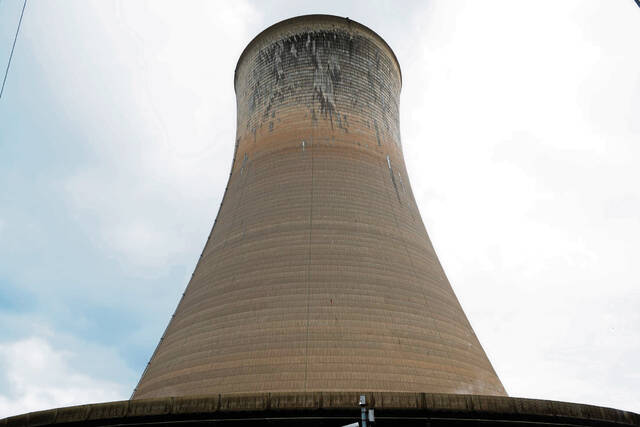
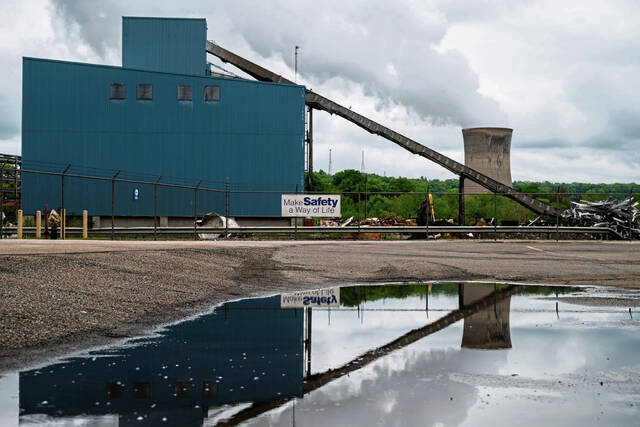
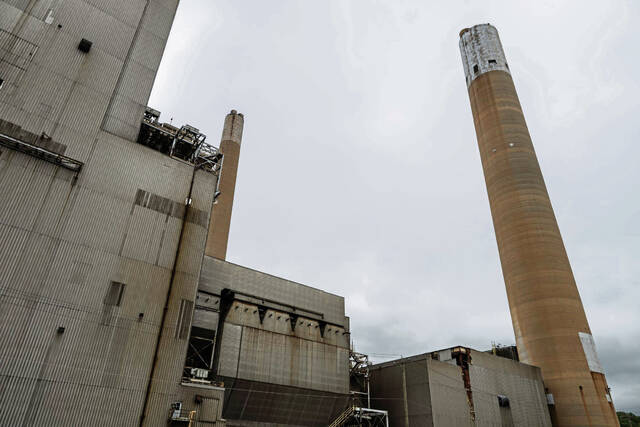
At the turn of the decade, that would have seemed unimaginable. The former coal-fired Bruce Mansfield Power Plant had recently closed, and plans were in the works to deactivate the neighboring Beaver Valley Nuclear Power Station.
Changes in ownership, along with this decade’s AI boom that has brought proposed data center projects to places including Springdale, Upper Burrell, Homer City, Fort Cherry and Aliquippa, set the Shippingport facilities on a different course.
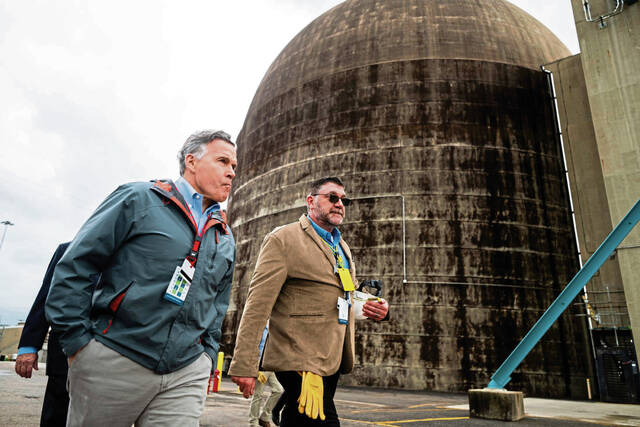
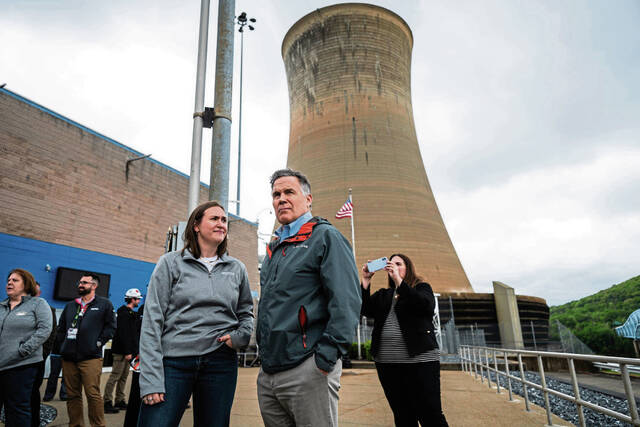
“These projects are such incredible examples of what we need to be doing across America,” U.S. Sen. Dave McCormick, R-Pittsburgh, said Wednesday during a tour of the two facilities.
Western Pennsylvania is uniquely positioned for success in the energy and AI sectors, McCormick said.
“AI and energy are different sides of the same coin,” he said. “Part of the reason we’re an AI superpower here in Western Pennsylvania is we have Carnegie Mellon and all the AI advancements, and people want to invest here.
“But none of that is possible without energy. To have the capability here in Western Pennsylvania, that’s one of the things that makes us most attractive.”
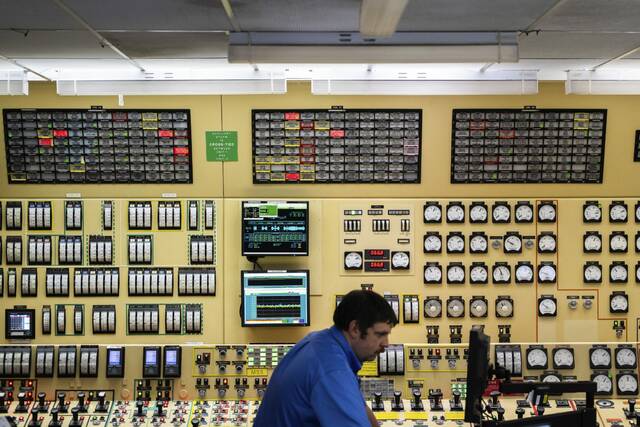
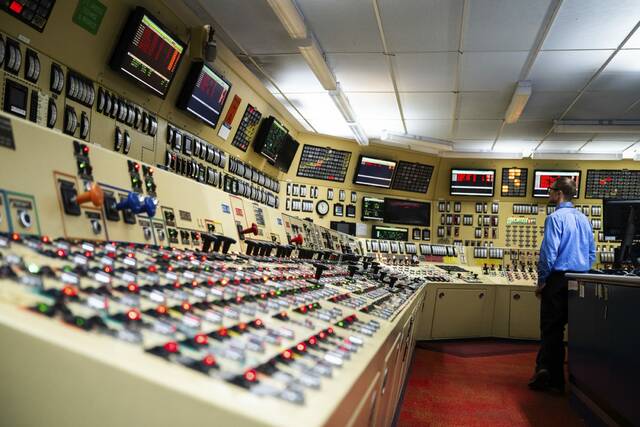
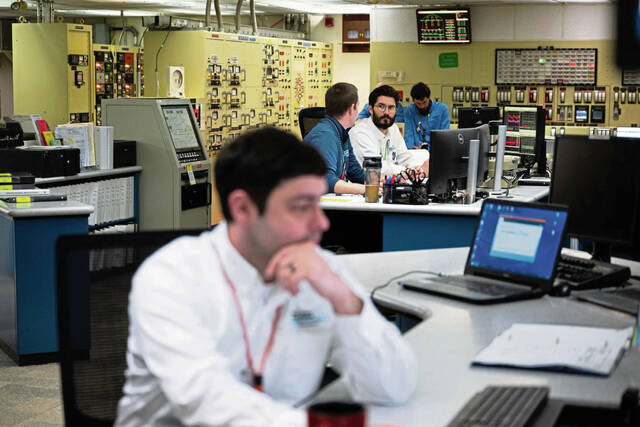
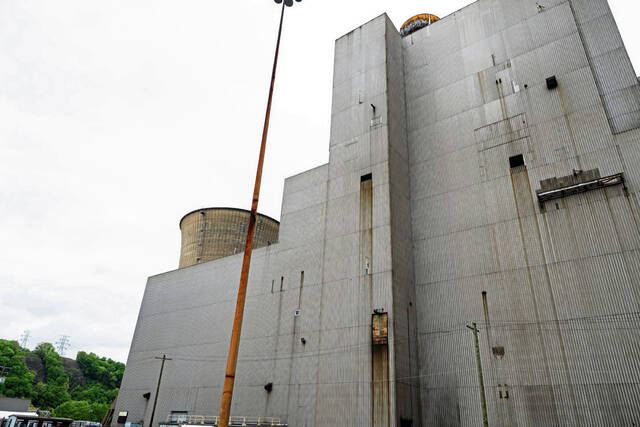
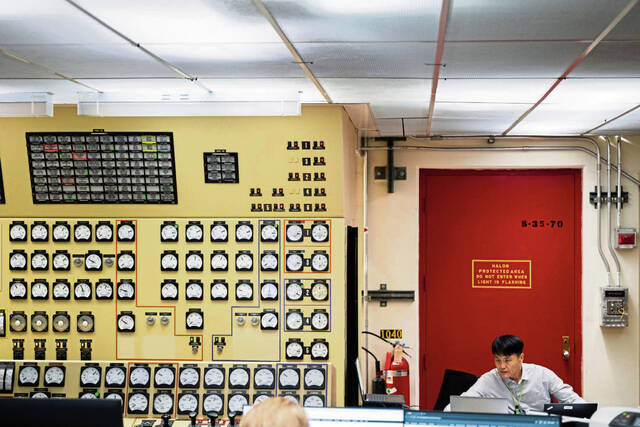
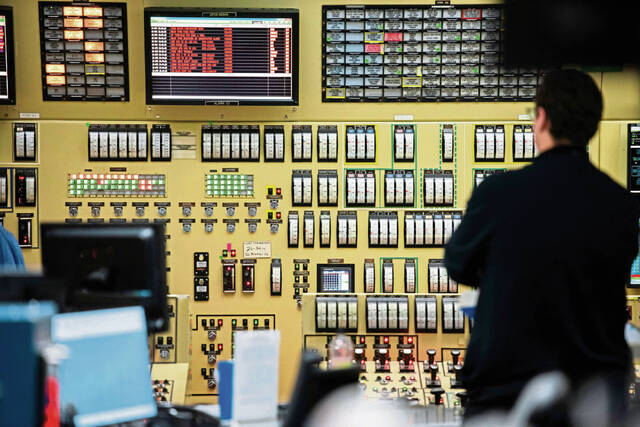
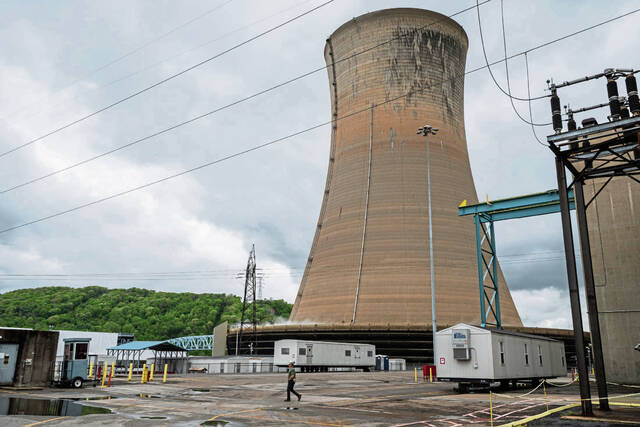
In Shippingport, Texas-based Vistra is upgrading its Beaver Valley Nuclear Station, with Facebook parent company Meta picking up the tab for the improvements there and at two plants in Ohio.
Bob Kristophel, general plant manager, said the upgrades will add 70 megawatts each to the facility’s Units 1 and 2. As many as 2,000 people are expected to work on the project, he said.
About a mile away, officials have said more than $3.2 billion will be invested to transform the former Bruce Mansfield site. The former coal-fired power plant will be converted to a natural gas-powered plant.
Plans call for developing as many as three large data centers on the sprawling property now called Shippingport Industrial Park, with thousands of workers expected to contribute to the project.
The redeveloped plant will generate an estimated 2.5 gigawatts of power.
Combined with the 2 gigawatts generated by the neighboring nuclear plant, McCormick said, the two facilities would generate power equivalent to about 1% of the U.S. energy consumption.
McCormick said such projects would help “to ensure we have energy dominance, to ensure that we can win the AI race, to ensure we create great paying jobs for Pennsylvanians, and to ensure that we can lower energy costs.”
While data center projects elsewhere have generated concerns that their massive energy consumption could put a strain on power grids, McCormick said the Shippingport Industrial Park plant would ultimately generate more power than the data centers need so the grid would see a net increase in power.
During his tours, McCormick promoted legislation that he said would streamline the federal permitting process for energy infrastructure projects. Permitting delays and complications can drive up project costs, force some would-be developers to pull the plug on proposed projects and prompt other developers to look elsewhere, McCormick said.
Among provisions, McCormick said his bill would establish a one-year deadline for states to review permits sought under the Clean Water Act’s water quality certification process and require states to provide written explanations for any denials.
Citing improved nuclear technology, the bill also would extend initial operating licenses for new nuclear plants, from 40 years to 60 years.
The bill also would set deadlines for resolving National Environmental Policy Act lawsuits. Introduced last week, the bill was referred to the Senate Environment and Public Works Committee and has yet to pick up any co-sponsors.
Toby Rice, CEO of EQT Corp., said he supports streamlining permitting.
“It’s never been more important to produce energy in this country — Americans’ energy bills are going up, we’ve got a massive power demand that we need to meet the growing energy needs of this AI revolution that’s taking place in this country, and the global events around the world are showcasing the energy security of our allies is crippled,” Rice said.
“At the same time, it’s never been more difficult to get energy infrastructure built,” he added. “The fact that it takes an act of Congress to get a major transmission line should give us all great concern.”