Pennsylvania’s wine and spirits sales dipped last fiscal year for only the second time in the past three decades.
According to the Pennsylvania Liquor Control Board, sales for the 2024-25 fiscal year totaled nearly $3.2 billion. That was down almost $21 million, or 0.6%, compared to the previous year.
Net income plunged 44% to $135 million, down nearly $107 million in the previous fiscal year.
Earnings took a hit from the sales decline as well as increases to payroll and benefit costs and “unfavorable changes” to how pension and other retiree benefits were valued, the agency reported.
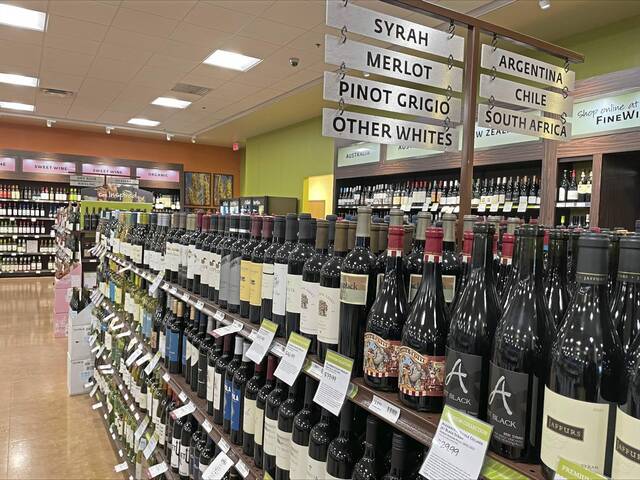
The LCB regulates the distribution of beverage alcohol across the state, licenses more than 20,000 alcohol producers and retailers and operates the statewide chain Fine Wine & Good Spirits.
Fine Wine & Good Spirits has more than 560 stores, 13 licensee service centers and an online store, according to the LCB.
Shawn Kelly, a board spokesman, said the last time alcohol sales decreased in the state was in 2019-20, during the covid shutdown. Sales dropped by about $111 million from the previous year.
Kelly attributed the 2024-25 sales slowdown to several factors, including uncertainty over tariffs and the economy as well as a market shift away from traditional wines and spirits to ready-to-drink cocktails.
Chuck Moran, executive director of the Pennsylvania Licensed Beverage and Tavern Association, said he hears concern from his members about dwindling bar crowds since the pandemic.
“I’m also hearing that younger generations aren’t quite drinking as much liquor as the older generation,” Moran said.
The association has been working to get legislators to make changes to Pennsylvania liquor code, he said.
Most recently, the association successfully advocated for legislation to help bar owners improve business, such as by allowing them to have more happy hours.
“It’s well known that happy hours are used to pull customers into establishments through special drink offerings,” the association said. “By increasing the total hours per week, we’re hopeful that through creative marketing each establishment will be able to use this tool to attract more patrons.”
Pennsylvania is not the only state seeing less alcohol consumption, said Kelly, the LCB spokesman.
“We attended a recent conference of alcohol control jurisdictions last month, and declining sales are not unique to Pennsylvania,” Kelly said. “Retailers nationwide saw their sales go up during covid, and then they’ve kind of tailed off since then.”
Gallup, Inc., an analytics and advisory company known for conducting public opinion polls worldwide, released a study in August showing a record low of 54% of adults say they consume alcohol.
“The consecutive declines in Americans’ reported drinking the past few years are unmatched in Gallup’s trend and coincide with recent research indicating that any level of alcohol consumption may negatively affect health,” the report said.
While the previous slowdown in alcohol consumption in Pennsylvania did not last long — TribLive reported in September 2021 that sales had jumped to $349 million, almost 14% higher than the year the pandemic began — Kelly said he can’t predict whether sales will follow suit and increase during the upcoming year.