The future of emergency medical service in East Deer is no longer up in the air after the township commissioners agreed to use Lower Valley Ambulance Service.
According to Commissioner’s Chairman Tony Taliani, East Deer was considering two options for EMS services. The other was the proposed paid EMS authority that would merge Eureka EMS in Tarentum and Citizens Hose EMS in Harrison.
“We opted to go with Lower Valley EMS,” Taliani said. “It offered more savings for our residents.”
The proposed Eureka and Citizens Hose authority would call for a fee of $85 to $90 per household, Taliani said. Details of that proposed multi-municipal EMS authority will be shared during a public meeting Dec. 4 at Highlands High School.
Taliani said the Lower Valley agreement calls for a payment of $10,000 for the entire community to be covered, a value substantially less than the proposed resident fee.
East Deer will be joining Harmar, Springdale, Cheswick, Springdale Township and Verona under Lower Valley’s coverage.
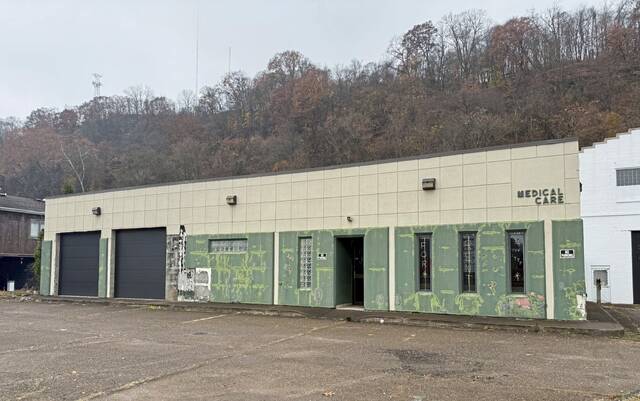
Taliani said an EMS station is being planned for the township as well. A new Lower Valley station will find a home in the former medical care office on Freeport Road in East Deer. An ambulance will be kept on-site, he said.
Construction is scheduled to be completed by the new year.
The new norm?
The regionalization of EMS services is a quickly rising trend throughout the state.
The local EMS challenges mimic a nationwide crisis that is the result of insufficient insurance reimbursements, limited state, local and federal funding, and poor fundraising results.
There were 1,645 EMS agencies statewide in 2013, according to the Pennsylvania Fire and Emergency Services Institute. By 2017, the number dipped to 1,278 — a 22% decrease.
Staffing is a major issue because of mediocre pay rates, many say. According to salary.com, EMTs in Pennsylvania earn about $40,000 a year, or about $19 an hour.
Entry-level positions are paid about $31,000 a year.
According to public policy platform EMS1.com, EMTs trained for as few as 40 hours at the turn of the century.
Now, EMT programs require 120 to 150 hours of training, including classroom and practical experience. EMTs are required to complete continuing education as well.