









Jason Lucia took over in late 2020 as administrative director at Central Westmoreland Career and Technology Center in New Stanton, beginning the school year with 990 students.
When the doors opened last fall, that number had shot up about 50% to 1,500.
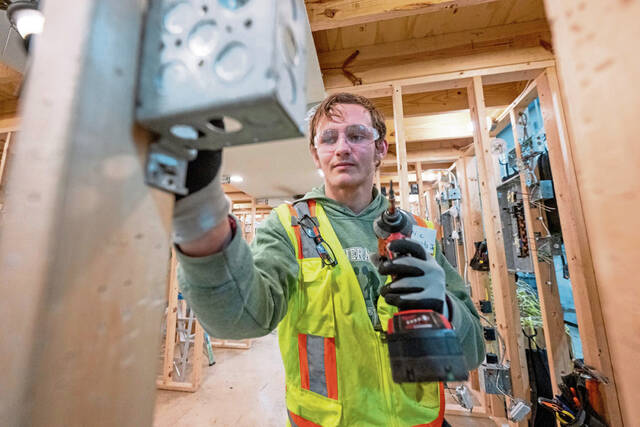
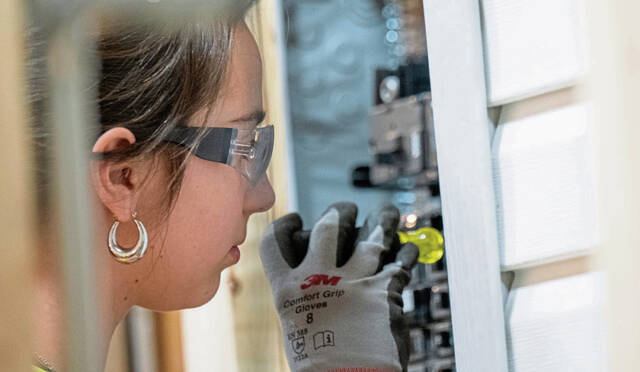
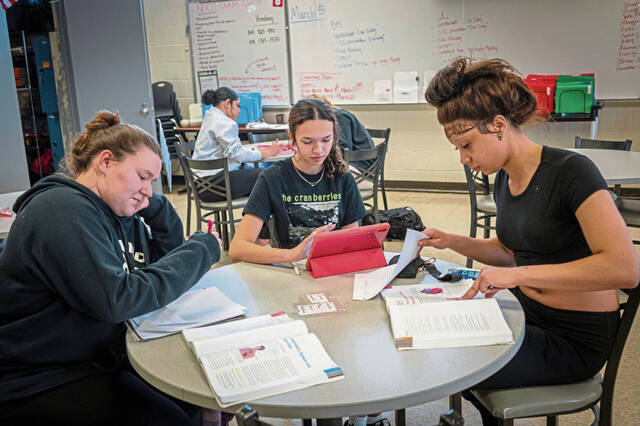
Direct paths to high-demand jobs have skyrocketed enrollment at career and technical schools, so much so that many are bursting at the seams.
“The most students who want to be in career and tech education is a great problem,” Lucia said. “But it’s still a problem.”
Jason Hicks, director at Northern Westmoreland Career and Technology Center in New Kensington, said enrollment across the school’s 13 programs is up nearly 30% over the past two years, leaving officials to drum up ways to accommodate growing interest.
The center draws students from the New Kensington-Arnold, Burrell, Kiski Area and Franklin Regional school districts.
“We have to think differently to educate in the system we have,” Hicks said of the school that shares a campus with Valley High School. “It comes down to safety and providing quality education.
“We have to be mindful to make sure we are still enhancing the program, updating equipment and ensuring that curriculum is aligned with regional, real-world needs while still making the program appealing to students.”
Law would help meet demand
State Sen. Lindsey Williams, D-38th District, plans to introduce legislation that would help meet the growing demand. Her bill would move students out of classrooms in a more timely fashion and help reduce waitlists for career and technical education programs across the state.
“Unfortunately, not all students who are interested in career and technical education get the chance to explore it,” said Williams, minority chair of the Senate Education Committee.
Williams is calling to change the timing for end-of-program assessments called NOCTI exams. The existing requirement has students wait until their senior year to take the test, meaning that students who are ready to move on have to unnecessarily delay the testing — which keeps them in a seat that could be freed up for another student, Williams said.
She said the proposed legislation is a practical step that permits students to take their NOCTI exam when they complete coursework and allows them to jump-start their careers.
“This will also give us a chance to reimagine what a senior year looks like for students,” Williams said. “This includes opportunities for pre-apprenticeship programs, internships or additional industry certifications that will give our students a head start on their futures.”
The legislation would help administrators better plan, Hicks said.
Space an issue at Central Westmoreland
Lucia said Central Westmoreland is limited in terms of building space.
“I’ve been working with my superintendents on the infusion of career ed back into the districts in everyday academics,” he said. “I can’t just spin up a new program here because we don’t have the space.
“But I’ve worked with Greensburg Salem School District, for example, to open up a career and tech-ed pathway. So they have elective offerings not just for early childhood education, but we’ve been able to build the program up to a state-approved career pathway.”
Lucia said he has worked with Mt. Pleasant Area school officials on a similar initiative focused on business and entrepreneurship.
“We’ve looked at their electives and helped them map that path, and they’ll receive CTC resources from us for those students,” he said. “We’re looking to do that same type of thing in Southmoreland, Norwin and Hempfield next year in areas like pre-engineering, advanced manufacturing and an advanced medical pathway.”
Central Westmoreland has the advantage of a 44-acre campus with room to expand, should additional funding become available.
“Right now we’re looking at several different mechanisms to expand: a 10-year plan to put up new buildings specifically focused on our industry partners in health and human services,” Lucia said. “We want to be able to not only run a culinary academy or cosmetic spa, but we want to partner directly with businesses and have students providing those services to the public.”
Jobs in high demand
Across the state, vo-tech schools are seeing high demand for skilled trade programs. In 2025, more than 64,000 high school students participated in career and technical education, according to the Pennsylvania Association of Career and Technical Administrators.
Officials attribute the interest to a shift in perception, affordability and workforce demand.
“There is a growing awareness of career opportunities related to our program,” Hicks said. “It creates direct paths to high-demand jobs without necessarily needing a four-year degree.”
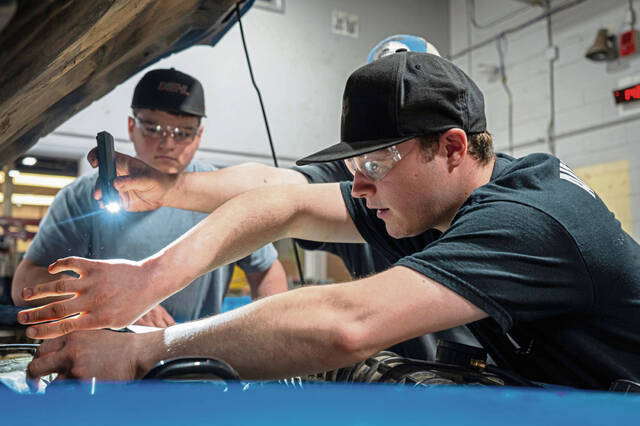
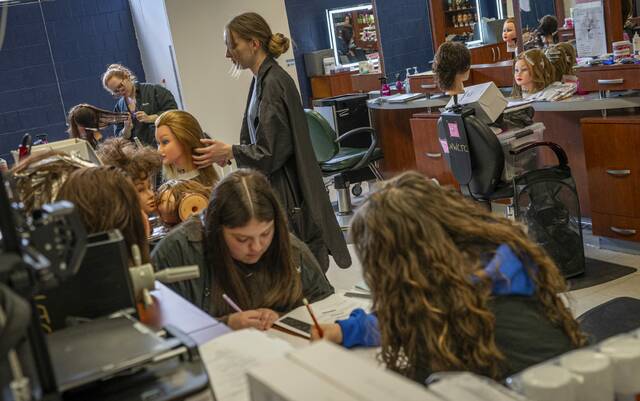
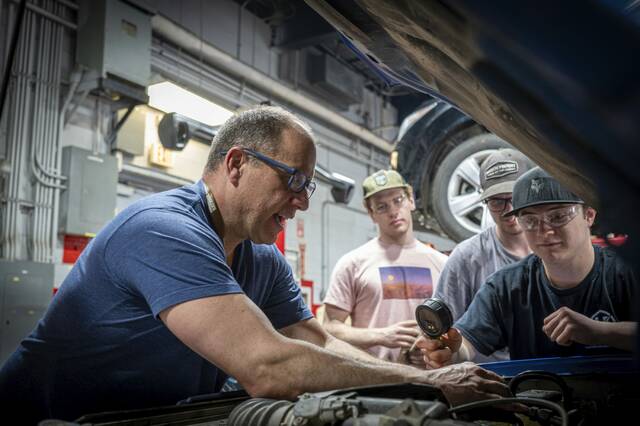
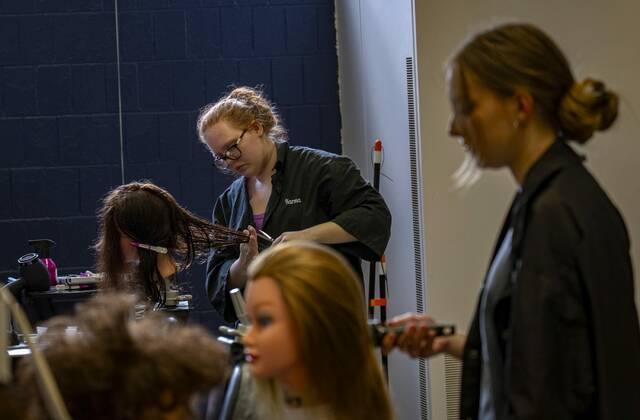
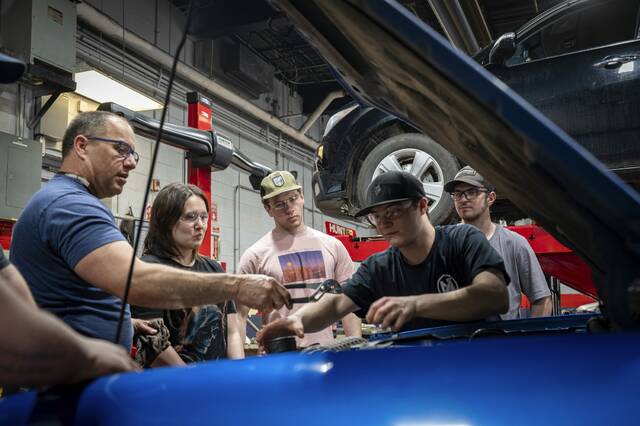
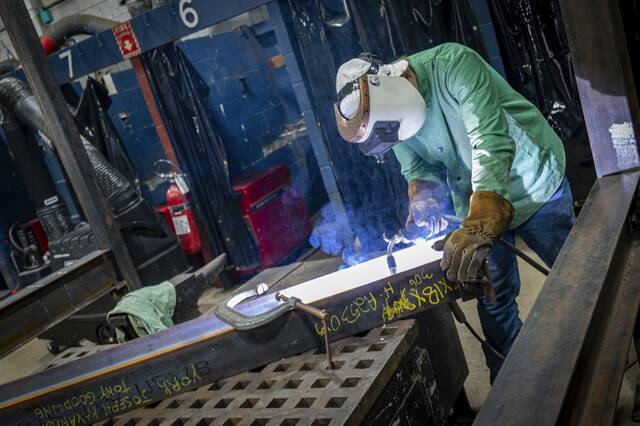
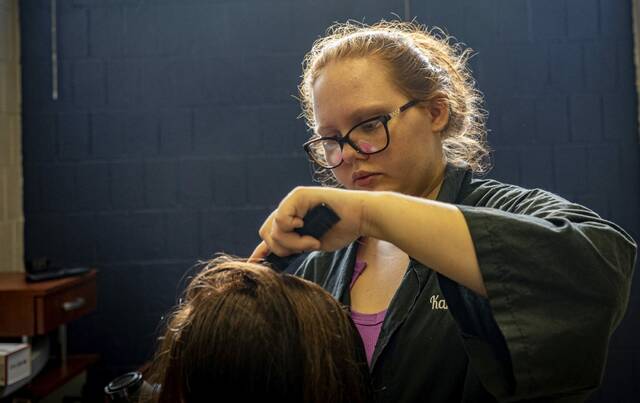
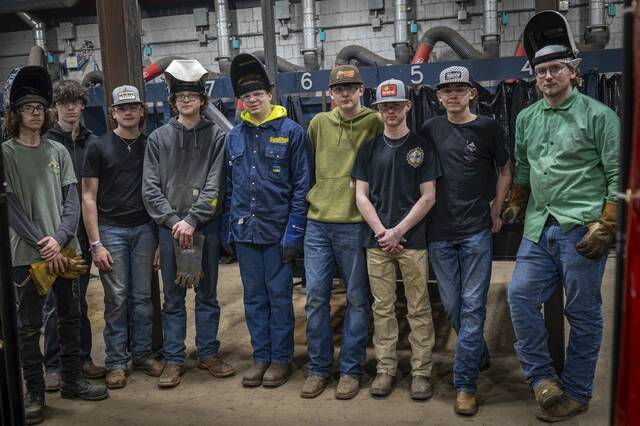
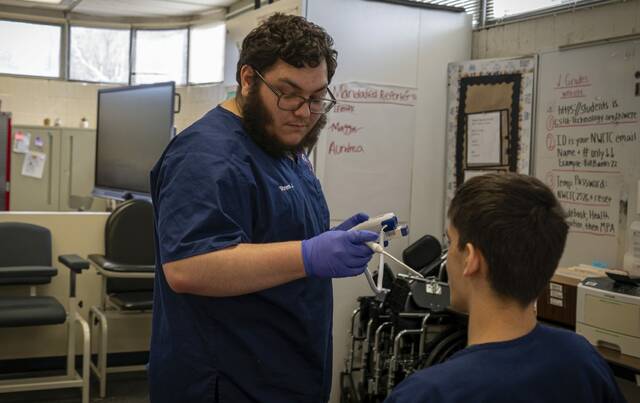
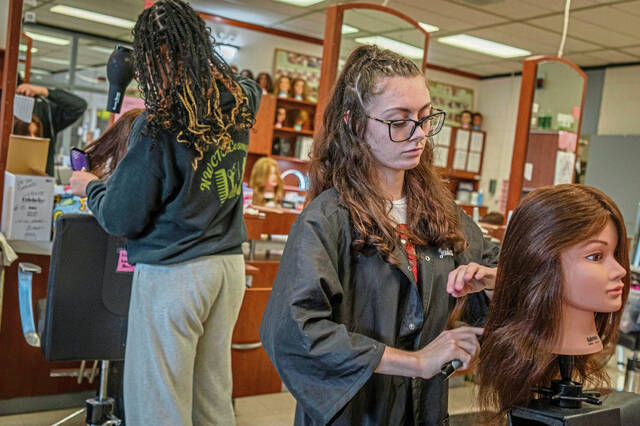
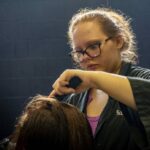
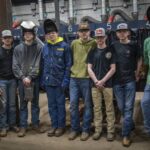
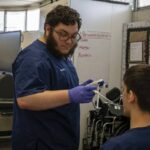
Programs piquing the most curiosity are welding, cosmetology, health occupations and auto mechanics.
The demand can be attributed partly to workforce shortages in health care and manufacturing, Hicks said.
The American Welding Society projects a shortage of more than 320,000 welders in four years because of an aging workforce, the lack of new applicants and a growing demand for welding services.
The national median salary for welding jobs is $55,600, according to the American Welding Society.
“Students are seeing career and technical education as a fast track to a stable, well-paying career, and our enrollment has taken off,” he said. “I see it as a sign that we’re relevant.”
Tawnya Panizzi and Patrick Varine are TribLive staff writers. Tawnya can be reached at tpanizzi@triblive.com, Patrick at pvarine@triblive.com.