









The price of eggs may be through the roof, but that doesn’t mean you’ll save money with a chicken coop.
While the popularity — and legality — of backyard chickens is spreading, the economics doesn’t add up for most people thinking of bypassing the grocer for their own hens.
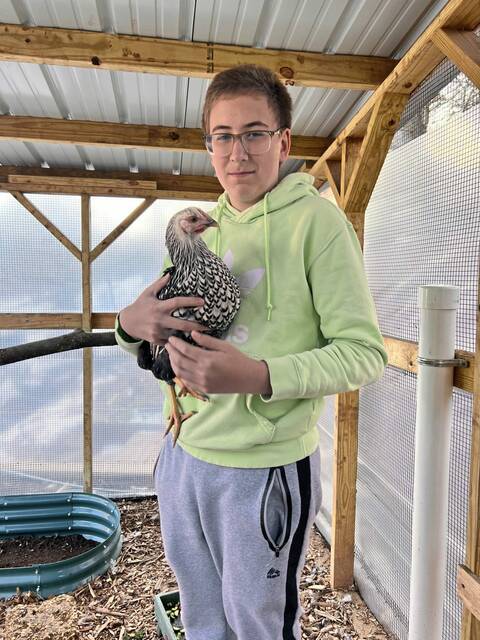
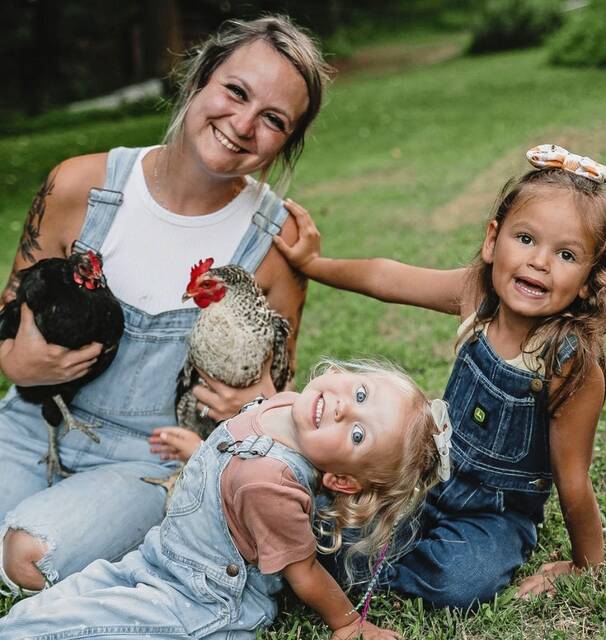
Just ask Destiney Beatty. She isn’t getting rich off her chicken coop, she says, but her family has realized benefits of maintaining the flock in other ways.
“It really is an investment,” said the Bethel Township woman who has had chickens for about six years. “You’re only going to get out what you put in. Treating your animals with respect and loving them, you’re going to get a better quality. They deliver.”
Even with the price of 18 eggs at some Alle-Kiski Valley grocers hovering around $12, it’s still a longshot for the average family to save money producing their own.
Just do the math. The average American eats about five eggs a week, according to Statista.com. Even if a family of four uses 18 eggs per week, they’d spend about $48 a month buying them at a store even at the high end of current prices.
By getting an egg each day from each hen, families would have to have at least three chickens to get the same amount of eggs each week as an 18-pack of eggs from a store. When you factor in the cost of chicken feed — which can be more than the cost of a carton eggs each week — even the most thrifty family would barely break even on egg costs.
Sarah McDermott of Allegheny Township says having chickens is worth it, despite the costs.
“Knowing I’m eating an egg that’s, most of the time, less than a week old,” McDermott said. “It’s been fun learning about it. I haven’t had to buy eggs from the store since November.”
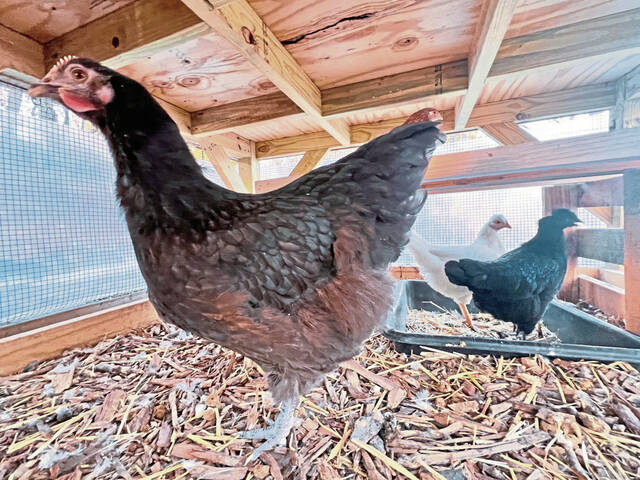
McDermott averages about 16 eggs daily from her roughly two dozen chickens, which is more than the average family would be allowed to have in their backyard in communities that allow chickens in residential areas.
When she got her flock, her family spent about $2,000 to set up the coop. She estimated they spend $35 weekly on feed, or almost three times what that carton of 18 eggs would have cost her.
McDermott isn’t currently selling her eggs. Instead, she’s giving them to close family members.
“With 20 acres of property, we wanted to start making good use of it,” she said. “We wanted to eat healthier and chickens seemed to be the gateway to other things.”
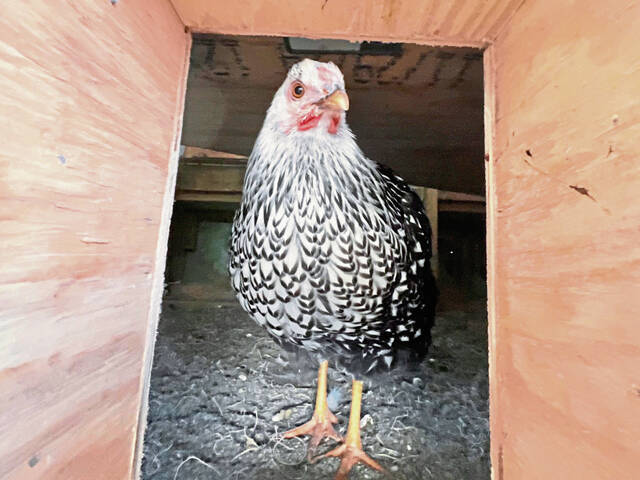
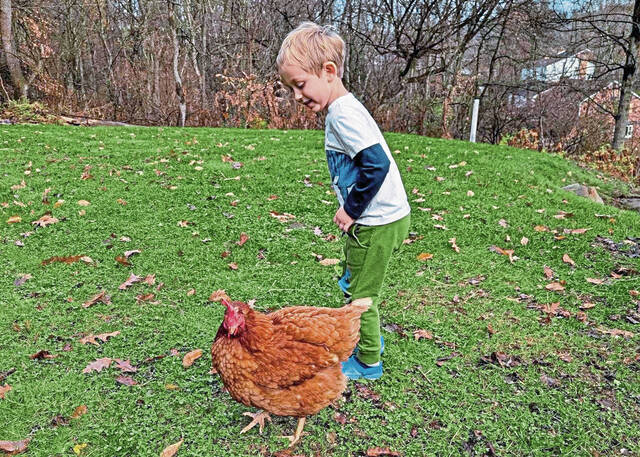
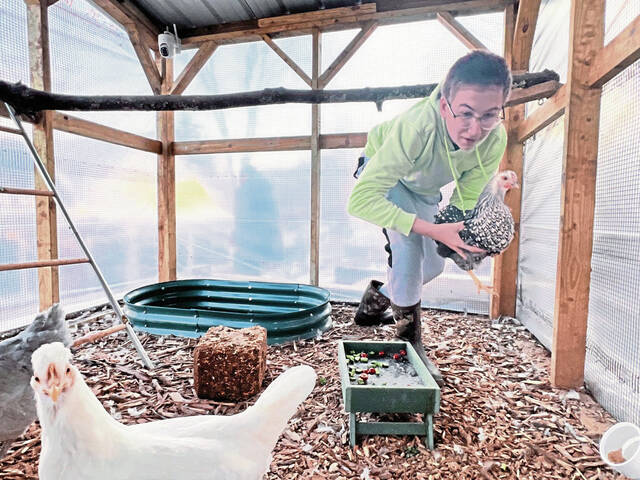
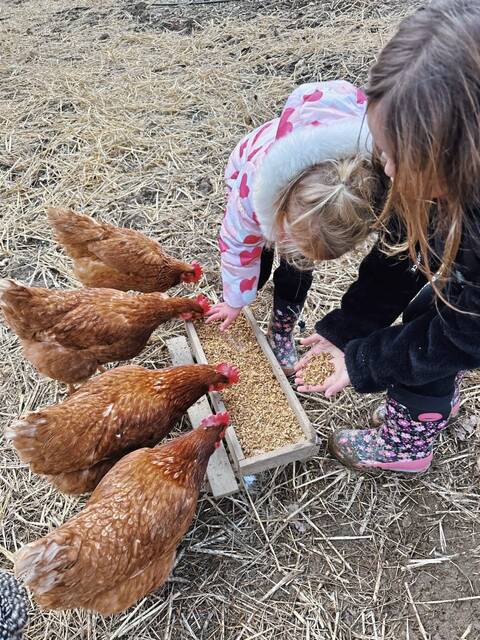
Having guaranteed fresh eggs is a common refrain from those who keep chickens. In addition, they say, the animals are fun to have around, and children learn the responsibility of maintaining a flock.
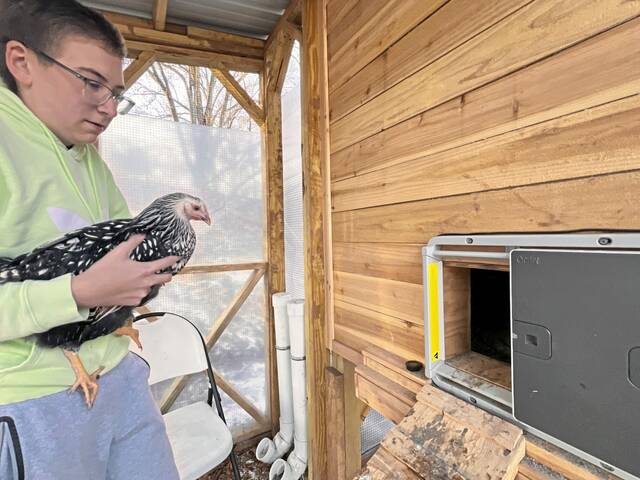
Beatty purchased her chickens from Tractor Supply and now, her flock has grown to 46. Her maintenance costs have grown, too: their electric bill has increased due to heating the coops, she said.
Beatty gets anywhere between a dozen and two dozen eggs each day. Her family operates a small egg stand at their home. Money raised from that offsets the cost of feeding the birds.
“I never have a problem getting rid of my eggs,” she said. “I have a lot of return customers.”
Beatty said her eggs are bigger and fresher than what’s offered in stores.
Her family also is raising meat chickens; she thinks they may have some cost savings there instead of buying chicken from the store.
Both McDermott and Beatty said having chickens has been a positive experience for their families.
“It’s been something completely out of my wheelhouse,” McDermott said. “It’s been rewarding to put work in and see what comes of it, and nurture them and watch them grow.”
There are alternatives to raising your own chickens and building your own coop.
The Zaremby family of O’Hara rented chickens last summer from Rent The Chicken, of South Buffalo.
A standard 2025 rental package runs from April-October or May-November and is priced at $495 — the price of about 738 eggs at $12 per 18. That includes delivery, setup, two egg-laying hens, a standard chicken coop, food and a chicken care guide.
“Renting the chickens for the warmer months only is a perfect chicken-care option for our busy family,” said mom Chris Zaremby. “While having the chickens meant adding yet another chore to our busy agenda, it positively got us to spend more time outside and engaged in meaningful family conversations about where food comes from and the economics around it.”