Editor’s note ‘What’s That?’ is a recurring feature in the Tribune-Review’s Westmoreland Plus edition. If there’s something you’d like to see explored here, send an email to gtrcity@triblive.com
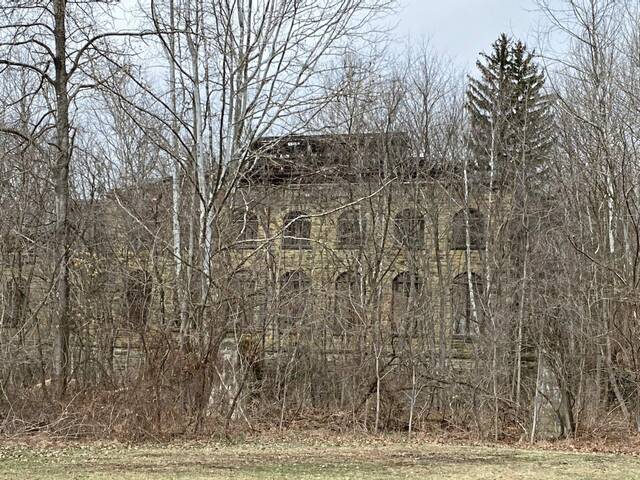
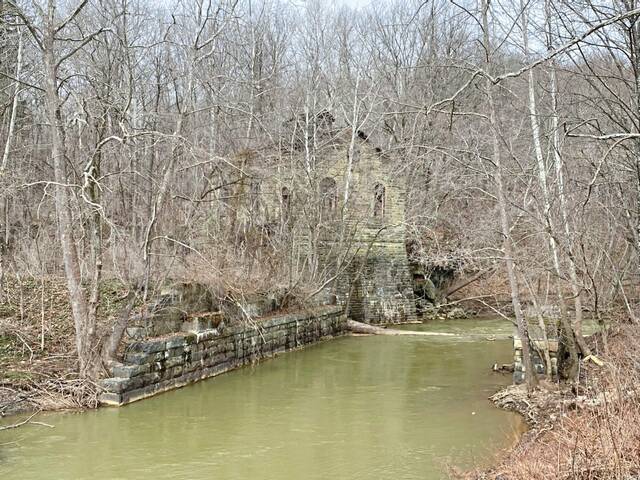
The old buildings are visible along a quiet road in Yukon — a reminder of the village’s storied past in the coal industry.
The former Magee Mine, defunct for decades, sits along Route 3012 and Sewickley Creek obscured by trees and time. Though it has been nestled in the community since its construction in 1908, little is known of the violent and deadly history of the mine.
The sandstone buildings were constructed by Westmoreland Coal Co. along a now-abandoned railroad, according to the Historic American Engineering Record.
Sandstone was an unusual choice of construction material — many mine-related buildings of that era were made of red brick or wood, according to the record.
Other structures at the mine were demolished after it closed, but some, including the hoist house and powerhouse, remain visible from the road through trees without leaves.
The coal company built dozens of homes for workers in the South Huntingdon village and named the mine after a member of its original board of directors, according to the record. In 1910, it employed 443 workers and produced 429,000 tons of coal.
That year, striking miners and guardsmen hired by Westmoreland Coal got into a 20-minute gunfight that spilled over into town, resulting in several injuries and deaths, according to news accounts at the time. State police were sent to break it up.
In the decades afterward, Magee Mine saw more picket lines and deaths of employees during accidents at the site while it continued churning out coal.
In 1949, a team of workers won the Westmoreland County First Aid Contest, which was sponsored by the Westmoreland County Safety Association, according to news accounts.
The number of employees dropped throughout the years — 300 people in 1922, 120 people in 1944 and 164 people in 1950 when 1,000 tons of coal was produced daily, according to news accounts.
The mining operations ceased in 1954, the historical record states, though a 1956 news report indicated seven men worked there under new ownership.