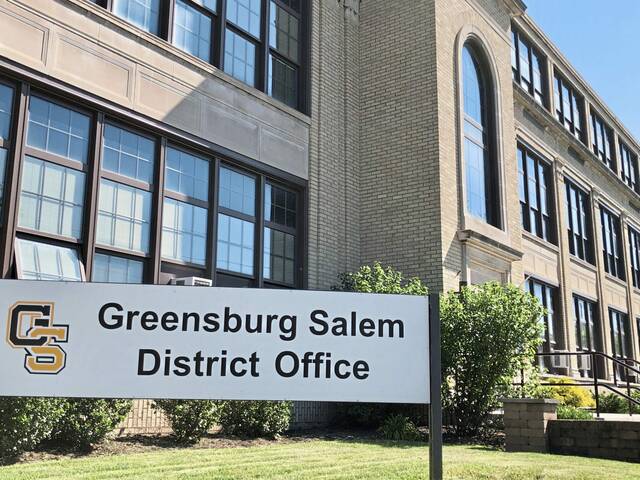
Greensburg Salem had to navigate educational, technological and logistical challenges while coping with the covid-19 pandemic during the 2020-21 academic year.
But, the school board learned this week, the district ended the year in better financial shape than had been expected.
District revenue in the past year totaled close to $48.5 million — exceeding the budgeted amount by more than $2.6 million, business manager J.R. Dzurica said. At the same time, expenditures of about $46 million were nearly $190,000 under budget.
“From a financial standpoint, we had a very good year,” Dzurica said.
Instead of ending the year with an anticipated revenue shortfall of $425,000, Greensburg Salem had an extra $2.4 million on hand. It also has a fund balance of $6.6 million, equaling more than 13% of its budget.
Local tax revenue was $23.2 million — some $860,000, or nearly 4%, over budget projections.
“That was mainly due to real estate and transfer taxes,” Dzurica said.
Delinquent tax collections brought in just less than $1.5 million, which was 35% above what was budgeted.
Thanks to refinancing some bonds, the district’s debt service totaled $3.25 million, nearly 5% under budget.
But, at the same time, Dzurica said, “Interest rates going down affected our money market accounts.” Interest earnings totaled just $37,130, more than 71% below expectations.
Elementary and Secondary School Emergency Relief (ESSER) funds Greensburg Salem has received, to help in its recovery from the pandemic’s effects, aren’t included in the district operating budget. It was approved for more than $11 million through the ESSER program, distributed in three phases.
The district spent $405,000 less than budgeted for salaries and benefits. Dzurica attributed that difference to faculty members who resigned or retired and who were replaced by teachers lower on the pay scale, or by long-term substitutes.
Some discrepancies between budgeted and actual expenditures were driven by pandemic protocols.
Amounts spent on transportation and on purchased professional services, in such areas as special education, were a combined $656,000 under budget because of the amount of time students were learning remotely.
On the other hand, supply and property expenses were over budget by about $1.1 million.
In the end, Dzurica said, “Our budgetary reserve of $100,000 was not used, and we transferred $202,012 to the capital reserve.”