New U.S. studies released Friday show the covid-19 vaccines remain highly effective against hospitalizations and death even as the extra-contagious delta variant swept the country.
One study tracked over 600,000 covid-19 cases in 13 states from April through mid-July. As delta surged in early summer, those who were unvaccinated were 4.5 times more likely than the fully vaccinated to get infected, over 10 times more likely to be hospitalized and 11 times more likely to die, according to the Centers for Disease Control and Prevention.
“Vaccination works,” Dr. Rochelle Walensky, CDC’s director, told a White House briefing Friday. “The bottom line is this: We have the scientific tools we need to turn the corner on this pandemic.”
But as earlier data has shown, protection against coronavirus infection is slipping some: It was 91% in the spring but 78% in June and July, the study found.
So-called “breakthrough” cases in the fully vaccinated accounted for 14% of hospitalizations and 16% of deaths in June and July, about twice the percentage as earlier in the year.
An increase in those percentages isn’t surprising: No one ever said the vaccines were perfect and health experts have warned that as more Americans get vaccinated, they naturally will account for a greater fraction of the cases.
Walensky said Friday that well over 90% of people in U.S. hospitals with covid-19 are unvaccinated.
CDC released two other studies Friday that signaled hints of waning protection for older adults. One examined covid-19 hospitalizations in nine states over the summer and found protection for those 75 and older was 76% compared to 89% for all other adults. And in five Veterans Affairs Medical Centers, protection against covid-19 hospitalizations was 95% among 18- to 64-year-olds compared to 80% among those 65 and older.
It isn’t clear if the changes seen over time are because immunity is waning in people first vaccinated many months ago, that the vaccine isn’t quite as strong against delta — or that much of the country abandoned masks and other precautions just as delta started spreading.
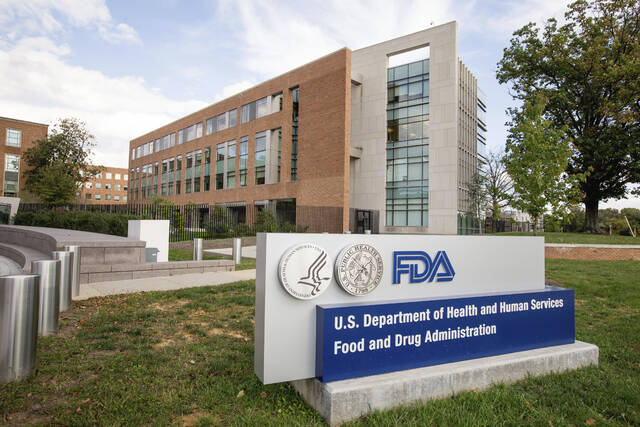
But U.S. health authorities will consider this latest real-world data as they decide if at least some Americans need a booster, and how soon after their last dose. Next week, advisers to the Food and Drug Administration will publicly debate Pfizer’s application to offer a third shot.
The Associated Press Health and Science Department receives support from the Howard Hughes Medical Institute’s Department of Science Education. The AP is solely responsible for all content.