





“A breath of fresh air” is more than just a saying.
There is some proof that being outside has positive effects on people.
For Carlee Domke, a second-year occupational therapy doctorate student at Chatham University in Shadyside, part of the experiential curriculum includes visiting the school’s sensory garden.
“When I was there I felt different,” said Domke, a Plum native who lives in Friendship. “If I was having a hard day or dealing with some anxiety, my first instinct was to walk it out and connect with nature. Taking in your surroundings can calm you and lift your mood.”
The occupational team at Chatham conducted a study of students and their interactions with the sensory garden. The results shared through Science Direct showed when engaged in the use of green spaces, the students experienced improved health and well-being.
Science Direct is a multi-disciplinary, peer-reviewed journal article database that provides access to scientific and medical publications.
Utilizing green space can be another avenue for occupational therapists to learn about a person’s sensory system and how a body can react to an outdoor environment.
“With occupational therapy, we try to make someone’s day-to-day activities easier and when we can do that, it helps their mental health side too,” Domke said.
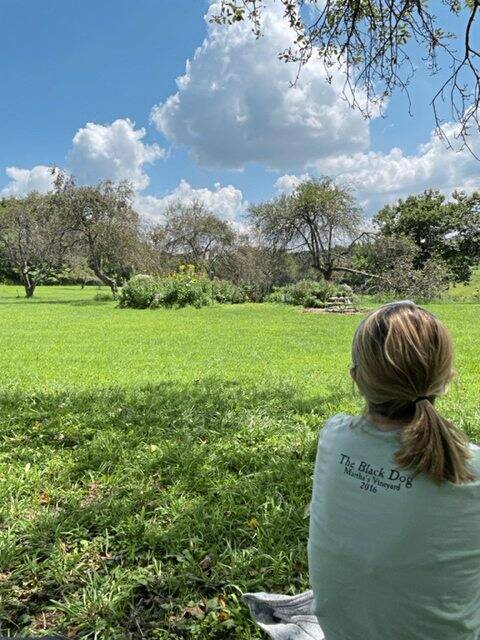
She said she had never been a person who enjoyed planting flowers or shrubbery – until she spent time in the sensory garden. She walked barefoot through the grass and has returned several times to view the progress of how the flowers and plants have grown.
The goal of the garden is to reach all senses, according to Theresa Delbert, doctoral capstone coordinator and assistant professor within the entry-level occupational therapy doctorate program at Chatham.
It was designed to do so.
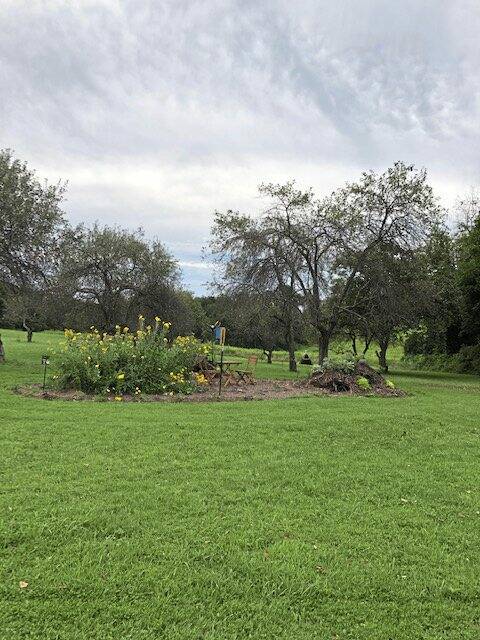
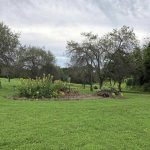
They built the sensory garden as part of an apple orchard located at the Eden Hall Campus, a 388-acre sustainable farm in Richland. It’s one of three locations for the university. The others are the aforementioned Shadyside and an Eastside campus near Bakery Square in Pittsburgh’s East End. That is where the school’s occupational therapy program the School of Health Sciences is housed.
The goal was to reach all five senses: sight, scent, sound, touch and taste.
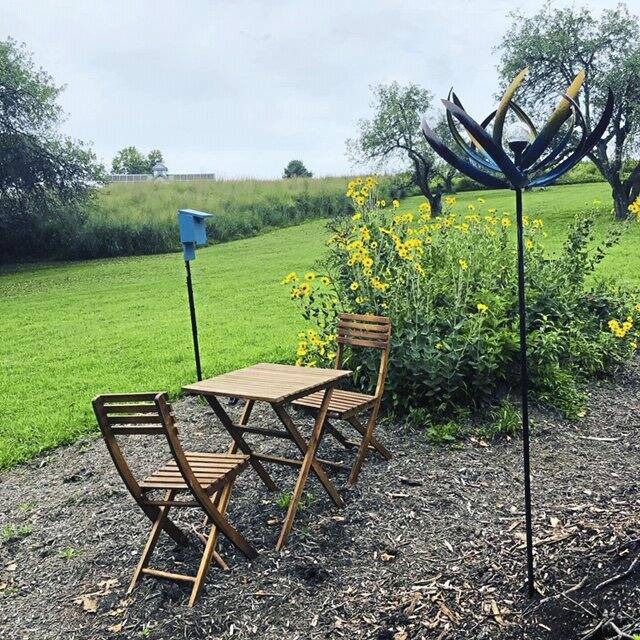
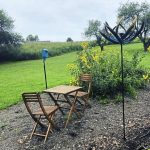
Sensory gardens are also used for meditation, yoga and other relaxation techniques. A garden can provide sunlight and shade. The apples can reach the sense of taste. Wind chimes, waterfalls and birdhouses create multiple sounds.
There are beautiful flowers and plants people can touch and have fragrances to smell.
Certain flowers and plants give off noticeable aromas. Something like a pinwheel or waterfall can be both visually and auditorily stimulating.
Growing vegetables can be another way to experience a garden.
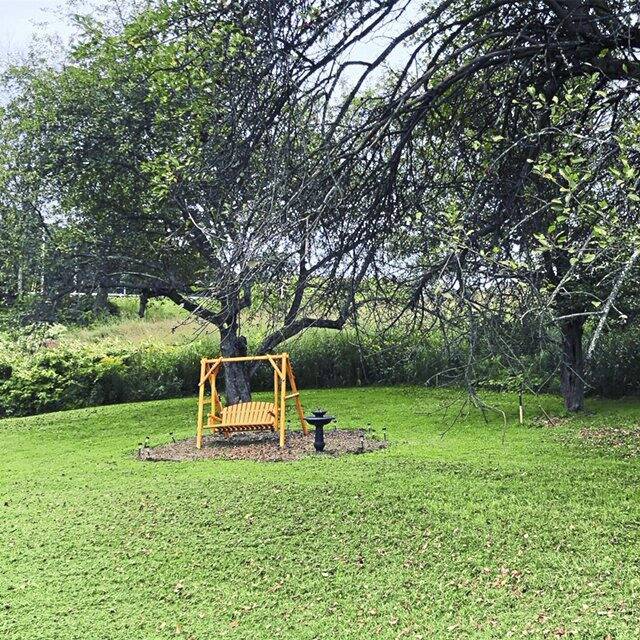
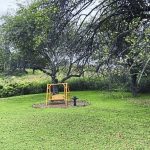
“Looking at the landscape, it has everything,” Delbert said. “There is a swing for people to sit and an open space to walk or run or do cartwheels.”
The sensory garden came to be through an internal grant from Chatham to help with purchasing plants and materials.
“We could all use a sensory garden,” said Kasey Stepansky, academic fieldwork coordinator and assistant professor within the entry-level occupational therapy doctorate program at Chatham. “In occupational therapy, we are all about quality of life. It’s a place to bring people together, and was the perfect setting during the pandemic because outdoor spaces were places people felt comfortable.”
She said they plan to welcome people outside the university such as older adults with dementia, nursing home residents or students from local schools to experience the sensory garden.
“It’s a really powerful place,” Domke said. “And it shows when you work together you can create something wonderful.”