
https://triblive.com/news/education-classroom/mt-lebanon-school-district-faces-a-1-2m-million-shortfall-next-year/
Mt. Lebanon school district faces a $1.2M million shortfall next year

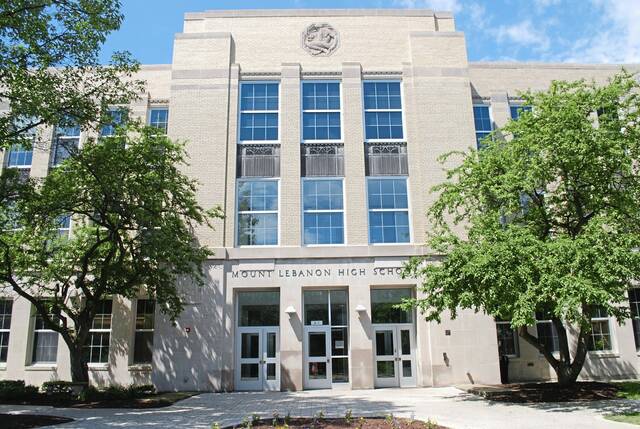
Mt. Lebanon school officials have a few weeks to make up a $1.169 million shortfall in the district’s budget for next year.
Patricia Connolly, the district’s director of operations, told the school board this week she is projecting just above $130 million in expenses and $128.8 million in revenues next school year.
“Our goal is always to find savings in our budget,” Connolly said.
The board Monday approved a resolution that would allow the administration to furlough up to 15 staff members next school year for financial reasons, although Superintendent Melissa Friez said the district does not intend to furlough anyone.
Friez said the district approved similar resolutions the past two years and did not furlough any of its staff.
In January, the district reported a $4.2 million deficit in its upcoming budget. Officials have been able to reduce that deficit to $1.169 million, in part due to anticipated retirements at the end of this school year, Connolly said.
In the proposed budget, local revenues — which are largely covered by real estate taxes — are the district’s largest revenue source, at about $98.6 million, Connolly said. State revenue is anticipated at $29.8 million and federal funding makes up about $560,000.
“We will continue to analyze all of our revenue sources, including the real estate taxes. It’s still under analysis,” Connolly said. “We’re waiting for the final collections from Mt. Lebanon (municipality).”
Real estate taxes account for about 64% of the district’s overall revenue, Connolly said. Its current revenue projection for local real estate tax is $81.9 million next year.
Mt. Lebanon’s Act 1 index for next school year is 4.1%, Connolly said. The Act 1 index is an annual limit on how much a school district can raise property taxes without a voter referendum.
If Mt. Lebanon raised taxes by its maximum 4.1%, the projected real estate revenue increase would be $2.54 million, Connolly said. Mt. Lebanon School District’s millage rate this year is 30.95. The value of 1 mill is $3.2 million. A Mt. Lebanon homeowner whose property has the borough’s median assessed value of $191,300 pays $5,920 annually in school taxes. Municipal taxes for that homeowner were $860 last year; Allegheny County property taxes were $1,230.
Real estate revenues in Mt. Lebanon have decreased because of tax appeals related to successful property reassessment appeals, Connolly said. The municipality’s property values last school year totaled around $2.75 billion, a decrease of $3.37 million from the prior year, she said.
Other sources of local revenue — such as earned income tax, interest on investments, delinquent tax collections and fees — make up about 13%, or $16.6 million, of the district’s overall revenue, Connolly said.
State revenue has not kept pace with the increase in expenses that school districts are experiencing in regular and special education, she said. At the same time, federal revenue is expected to decrease.
Connolly said 84% of budget expenses for next year are related to salary, benefits and bond payments.
Projected department and curricular expenses for next year are relatively flat or below last year’s levels, Connolly said, but the district is experiencing an 8.3% increase in health care premiums, scheduled salary increases and hikes to special education, charter school and career technology center tuition.
The district’s goal is to have a fund balance of 8% of the annual budget, Connolly said, because that figure will show a strong financial position to creditors should the district need to take out loans for future projects. The fund balance is currently at 5.99%. Two years ago, the district had about a 2% fund balance, Friez said.
The general fund balance at the end of June is projected to be $8.5 million, or around 6.5%, Connolly said.
A budget forum is scheduled April 6, and the board will vote on a preliminary budget April 13.
Final budget adoption is scheduled for May 18.
Copyright ©2026— Trib Total Media, LLC (TribLIVE.com)