
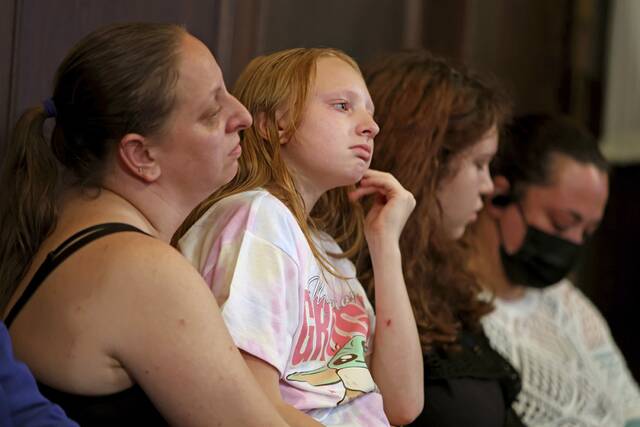
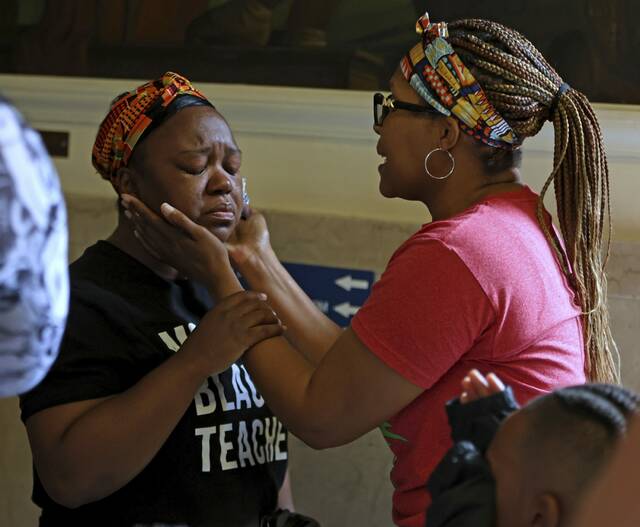
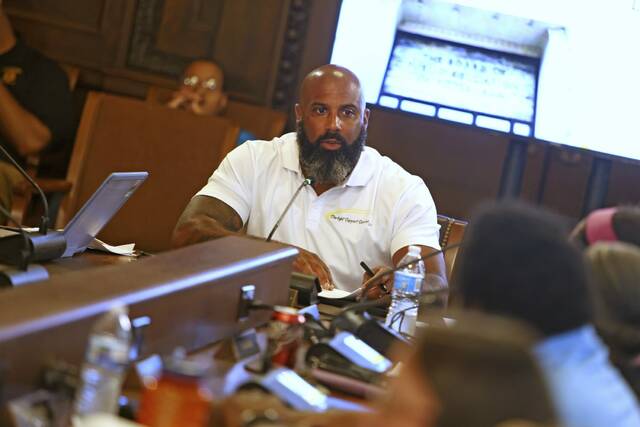
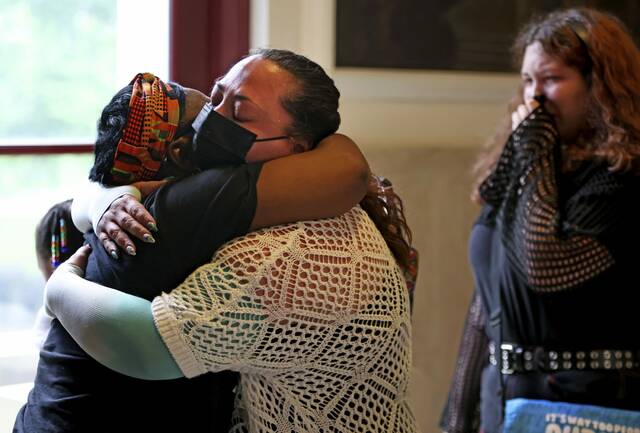
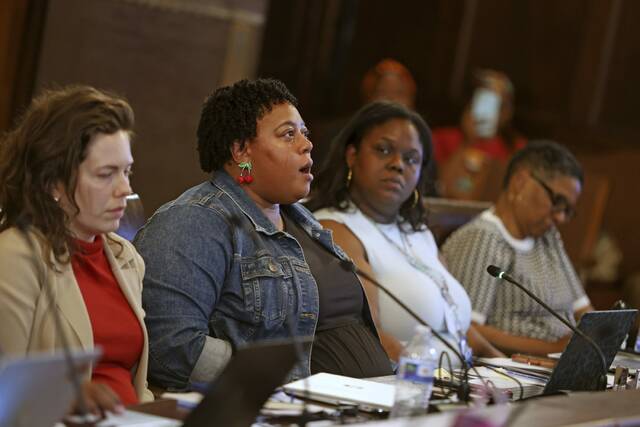





The Pittsburgh Public Schools board voted 6-2 with one abstention Wednesday to approve a realignment plan that calls to shutter nine school buildings, and shift many others, despite public pushback.
“It’s always been about, ‘How do we position our district to not only perform for the young people that we have today, but also be ready to perform for the young people that would be in our trust for years to come?’” board President Gene Walker said. “While these changes are difficult, for me, the decision has not been.”
In addition to Walker, board members Dwayne Barker, Yael Silk, Eva Diodati, Tracey Reed and Tawana Cook Purnell voted in favor of the plan.
Devon Taliaferro and Emma Yourd voted against. Erikka Grayson abstained.
Proponents of the “Future-Ready Facilities Plan” say the plan will improve equity and opportunities for students districtwide, while opponents say the plan lacks clarity and transparency, and that the shifts would be disruptive to students’ educations.
Seven facilities will close next June: the Student Achievement Center, Fulton PreK-5, Friendship PreK-5 (Montessori), Miller African-Centered Academy, Manchester K-8, Schiller 6-8 and Woolslair PreK-5.
Spring Hill PreK-5 and Morrow would close at the end of the 2028-29 school year once renovations to Northview PreK-5 are completed.
The plan calls to dissolve Arsenal PreK-5 , Allegheny 6-8, King PreK-8, Linden PreK-5, Milliones 6-12, South Brook 6-8 and South Hills 6-8; but Pittsburgh Public Schools officials say those buildings will remain operational.
It also includes transitioning gifted and credit recovery programs to neighborhood schools. PPS officials say they will expand access to academic programming, arts, athletics, foreign languages and career exploration throughout the neighborhood schools.
One parent expressed frustration during the board vote and was removed from the meeting room by security. She told the school board they should be “ashamed” to move forward with the closures.
“The Future-Ready Facilities Plan represents much more than changes to buildings or grade configurations. It represents a long-term commitment to creating a stronger, more equitable opportunity for students throughout our district,” said Superintendent Wayne Walters. “For too long, declining enrollment, aging infrastructure and uneven access to programs and resources have created inconsistent experiences for students across our district.
“This plan is designed to help address those challenges by creating more modern learning environments, clearer feeder patterns, expanded academic opportunities and stronger, long-term sustainability for the district.”
Pittsburgh Public Schools officials considered a school closure plan in November but voted it down. In January, they decided to reconsider it.
A public hearing Tuesday saw 91 registered speakers, with many saying questions and concerns remain unanswered.
Concerns ranged from transportation, to implementation of special education and community schools programming. They expressed a lack of confidence in PPS’ ability to implement the plan and called for more community feedback, saying they have felt dismissed throughout the process.
Taliaferro, whose district includes five of the nine closing school buildings, took the public feedback to heart. She said the process was harmful to city residents.
“They deserve somebody who is going to represent them authentically but not giving in to whoever or whatever, but to be able to make sure that we are moving in the right direction, that we are making the right decisions for children,” Taliaferro said.
Cook Purnell expressed faith in PPS administration’s ability to implement the plan.
“Any benefits far outweigh any perceived risks and my decision will be based on what is the common good,” she said.
Diodati said the plan might lead to enrollment growth in the Pittsburgh Public Schools. Currently, there are academic, accessibility and programming gaps among students, Diodati said.
“It is selfish, I think, for us to say we are only going to save certain schools and to heck with the rest of them,” Diodati said. “We picked these schools because of their locations, because of their situations, and we would have seen similar pushback if we had picked another nine different schools. Everybody agrees that we have to close buildings, nobody wants to pick the buildings. I know, it’s hard, I don’t want to do any of this.”
Reed acknowledged closing schools is difficult. She belives PPS can look to the Baltimore City Public Schools to implement a positive school realignment plan.
Centering students with the most challenges will ultimately create a better system, she said.
“We have to get some things in order before we can start to make the kinds of changes that our kinds fundamentally deserve,” Reed said. “They should not be going to schools where they’re not getting what they need.”
In abstaining, Grayson cited her position as Senior Clubhouse Director for the Estelle S. Campbell Boys & Girls Club. The organization received a state grant to provide out-of-school time programming at Arsenal, a school slated for closure. Grayson said that would create an appearance of a conflict of interest.