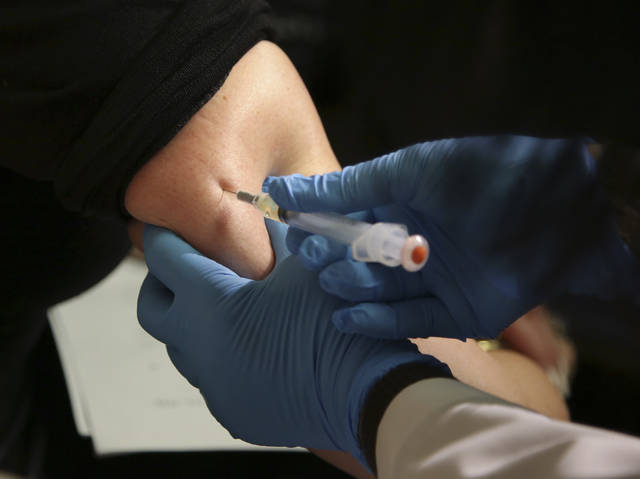
Dear Mayo Clinic: I am 72 and take a drug for rheumatoid arthritis that suppresses my immune system. I’m scheduled to receive a vaccine later this year. Is it safe for me to receive this vaccine?
Answer: Appropriate and timely vaccines are important for anyone with a suppressed immune system. That’s because a suppressed immune system increases your vulnerability to infections, including those that vaccines can prevent. However, vaccine selection for a person with immune suppression is a nuanced topic.
It’s important to have a detailed discussion with your health care provider, as the choices are individualized based on your circumstances. Many diseases and disease treatments can suppress the immune system. These include cancer and chemotherapy; drugs for autoimmune diseases, such as rheumatoid arthritis, psoriasis or inflammatory bowel disease; drugs given after organ transplant; and corticosteroids, which are used for various problems.
It’s possible that vaccines with live viral or bacterial elements could cause an infection in people with suppressed immune systems. Therefore, these vaccines are avoided for people with severe immune suppression. However, select live vaccines sometimes can be safely used in people with milder immune suppression.
Thankfully, several vaccines that are important for older adults — such as the annual flu vaccine and the pneumococcal vaccine — aren’t live vaccines and have no risk beyond what occurs in those with healthy immune systems.
Depending on the severity of your immune suppression, your immune system might not fully respond to the vaccine, providing only partial or limited protection against infection. However, partial protection likely will be considered better than none. Also, some vaccines have the option of a stronger dose to boost effectiveness.
In addition, there may be periods of time when your immune function is less suppressed. Vaccine administration can be scheduled for these times for increased effectiveness.
Talk with your health care provider about your concerns. He or she likely will consider the safety, effectiveness and appropriate timing of the vaccinations before making a recommendation for your situation.