NEW YORK — Chips, soda and frozen pizzas tend to be full of salt, sugar and fat, but now scientists are trying to understand if there’s something else about such processed foods that might be bad for us.
Already, the spread of cheap packaged foods has been linked to rising obesity rates around the world. Yet advice to limit processed foods can seem unhelpful, given how convenient they are and the growing array of products that fall into the category.
While three recent studies offer more clues on how our increasingly industrialized food supply may be affecting our health, they also underscore how difficult nutrition science and advice can be. Here’s what they say.
What does “processed” mean?
Whether it’s curing, freezing, milling or pasteurization, nearly all foods undergo some type of processing. Even though processing itself doesn’t automatically make food unhealthy, “processed foods” is generally a negative term.
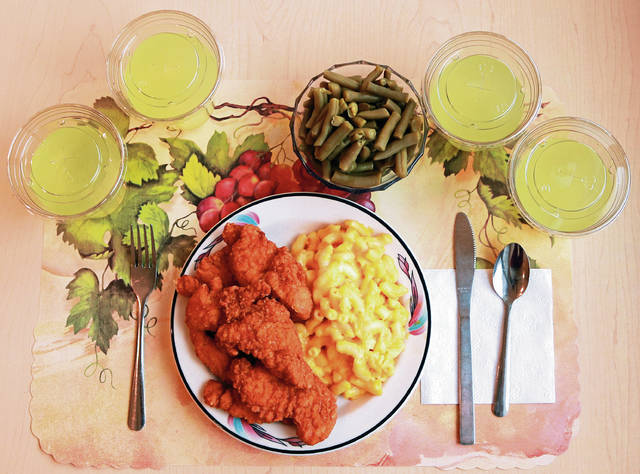
Sodas, packaged cookies, instant noodles and chicken nuggets are some examples of highly processed foods. But also included are products that can seem wholesome, like breakfast cereals, energy bars and some yogurts.
What’s wrong with processed foods?
Researchers at the National Institutes of Health found people ate an average of 500 extra calories a day when fed mostly processed foods, compared with minimally processed foods. That’s even though researchers tried to match the meals for nutrients such as fat, fiber and sugar.
That’s not all the bad news.
In another study based on questionnaires, researchers in France found people who ate more processed foods were more likely to have heart disease. A similar study in Spain found eating more processed foods was linked to a higher risk of death in general.
What is it about processed foods?
Beyond the fact they taste really good, there might be other reasons why it’s so hard to stop eating foods such as cheese puffs and ice cream.
When fed minimally processed foods, people in the clinical trial produced more of a hormone that suppresses appetite and less of a hormone that causes hunger. The reason for the biological reaction isn’t clear. Another finding: People ate processed foods faster.
“Those foods tend to be softer and easier to chew and swallow,” said Kevin Hall, a researcher at the National Institutes of Health who led the study.
Hall noted the source of nutrients might make a difference. Fibers from whole fruits and vegetables, for instance, may be better at making us feel full than the types of fiber added to packaged foods such as cookies, yogurt and soda.
What should you eat?
Even without the latest studies, advice to limit processed foods probably makes sense to most people. Minimally processed foods tend to be richer in nutrients and more difficult to overeat, since they’re not as widely available and convenient.
Still, following that advice can be hard, especially for people with limited time and money to spend on food.
“What frustrates me is when the message is, ‘Change the way you eat,’ without thinking about why people eat the way they eat,” said Sarah Bowen, a professor who studies food and inequality at North Carolina State University.
Another challenge is the broad spectrum of processed foods, and distinguishing which ones might be better or worse as companies continually re-engineer products to make them seem more wholesome. So while the newest studies may give us more reasons to avoid industrialized foods, they also underscore the difficulty of coming up with solutions.