
Pennsylvania

Philadelphia resident may have Pa.’s first 2019 human case of West Nile Virus

Brian C. Rittmeyer
By Brian C. Rittmeyer
2 Min Read Sept. 18, 2019 | 6 years Ago
Go Ad-Free today

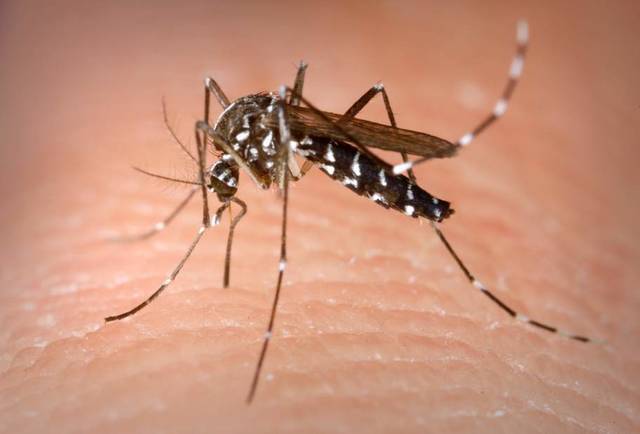
The first case of West Nile Virus infection in a person this year has been detected in a Philadelphia resident, the state Department of Environmental Protection announced Tuesday.

Samples were being sent to the Centers for Disease Control and Prevention for confirmation, the department said.

State residents are being urged to minimize exposure to mosquitoes. So far this year, mosquitoes infected with West Nile Virus have been detected in 32 of the state’s counties, including Allegheny, Beaver, Fayette, Greene, Lawrence and Westmoreland.

“While we encourage Pennsylvanians to enjoy the outdoors, we also want them to take proper precautions from mosquitoes while outside,” Secretary of Health Dr. Rachel Levine said. “With the first human case of West Nile Virus detected, we want people to protect themselves. Several simple steps can help protect yourself and loved ones from mosquito-related diseases.”

The mosquitoes that transmit West Nile Virus are most active at dawn and dusk. People can avoid bites by using insect repellants with DEET and covering exposed skin with lightweight clothing.

Window and door screens should be kept in place and in good condition to keep mosquitoes from entering homes.

State biologists have started a survey of the mosquito population to determine the risk for further human illness. If necessary, adult mosquito populations will be reduced, the DEP said.


Share

Tags:

About the Writers

Brian C. Rittmeyer, a Pittsburgh native and graduate of Penn State University's Schreyer Honors College, has been with the Trib since December 2000. He can be reached at brittmeyer@triblive.com.

Article Details

Eliminate mosquito breeding areas The mosquitoes that transmit West Nile Virus breed in areas with standing and stagnant water, such…

Eliminate mosquito breeding areas
The mosquitoes that transmit West Nile Virus breed in areas with standing and stagnant water, such as urban catch basins, clogged gutters, discarded tires, poorly maintained swimming pools, flower pots and other types of plastic containers.
Steps to eliminate standing water around the home include:
• Remove tin cans, plastic containers, ceramic pots, discarded tires or any object that could collect standing water. Drill holes in the bottom of recycling containers left outdoors.
• Have roof gutters cleaned every year, particularly if the leaves from nearby trees have a tendency to clog the drains.
• Turn over plastic wading pools and wheelbarrows when not in use.
• Do not let water stagnate in birdbaths.
• Aerate ornamental pools, or stock them with fish.
• Clean and chlorinate swimming pools and remove standing water from pool covers.
• Use landscaping to eliminate standing water that collects on your property.
• Treat standing water that cannot be eliminated with Bti products which are sold at outdoor supply, home improvement and other stores. Bti is a natural product that kills mosquito larvae, but is safe for people, pets, aquatic life and plants.
Source: Pennsylvania Department of Environmental Protection

Push Notifications

Get news alerts first, right in your browser.

Enable Notifications

Content you may have missed

Enjoy TribLIVE, Uninterrupted.

Support our journalism and get an ad-free experience on all your devices.

  • TribLIVE AdFree Monthly

    • Unlimited ad-free articles
    • Pay just $4.99 for your first month
  • TribLIVE AdFree Annually BEST VALUE

    • Unlimited ad-free articles
    • Billed annually, $49.99 for the first year
    • Save 50% on your first year
Get Ad-Free Access Now View other subscription options