President Donald Trump is expected to direct his administration to move to reclassify marijuana as a less dangerous drug, according to people familiar with the matter, a move that could represent one of the biggest shifts in U.S. policy toward cannabis in decades.
Trump has discussed the idea with marijuana industry executives, Health and Human Services Secretary Robert F. Kennedy Jr. and Centers for Medicare & Medicaid Services Administrator Mehmet Oz, the people said.
A White House official said no final decisions have been made on rescheduling. The Washington Post reported earlier on the plans.
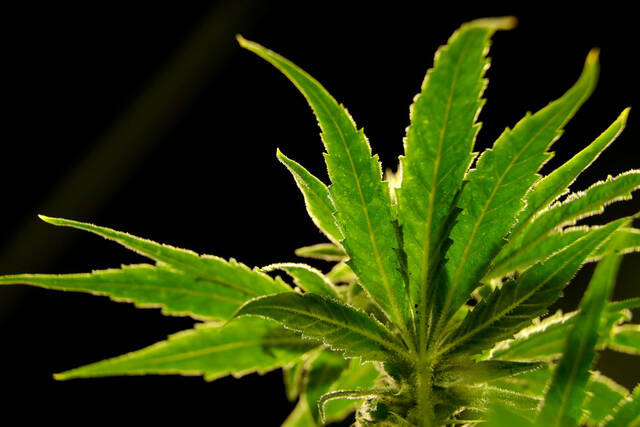
Cannabis is currently labeled a Schedule I drug, putting it in the same category that includes substances like heroin and LSD, categorized as having no medical use and a high potential for abuse. Trump is weighing pushing to reclassify it to a Schedule III drug, according to the people, which would move it to a tier for substances seen as having a lower potential for dependency — on the same level as ketamine, Tylenol with codeine, as well as anabolic steroids.
Reclassification would make it easier to buy and sell cannabis, delivering a major victory for companies and investors in the sector as well as patients who use medical marijuana. Cannabis companies have been lobbying for reform in Washington and a reclassification decision could ease tax burdens and obstacles to banking services, help draw more mainstream lenders and investors and bolster opportunities for medical research.
U.S. legislation around cannabis is a patchwork. Though it’s banned federally, states differ widely in terms of legalization. More than 40 states and the District of Columbia allow marijuana use for medical purposes, according to the National Conference of State Legislatures, while about half allow for recreational usage.
Efforts to pass federal legislation decriminalizing marijuana have so far yielded little progress.
While Trump may seek changes to the current status, including through an executive order, rescheduling would likely only take effect after the government finishes a rulemaking process that has been on hold since January.
Trump acknowledged deep divisions over the issue in August when he said a decision on marijuana classification could come in weeks. He said at the time that he had spoken to proponents of reclassification who stressed the medical benefits of cannabis and those on the other side who said loosening of restrictions posed a risk to children. The president told attendees at an August fundraiser in New Jersey that he was considering the change, the Wall Street Journal reported.
The campaign to reclassify marijuana gained momentum under President Joe Biden. The Justice Department in 2024 recommended shifting cannabis to Schedule III, prompting a formal review by the Drug Enforcement Administration. However, progress has been stalled with legal challenges and agency delays, leaving the issue and industry in limbo.
Opponents of reclassification have said the Biden administration’s case for the change relied on flawed reasoning and downplayed health risks.
Kennedy has previously supported decriminalization at the federal level. He has spoken often about his own personal experiences with addiction and said in February that he was concerned about high-potency marijuana, but that widespread state legalization and decriminalization offered a chance to study real-world effects.
The decision comes as Trump’s administration has sought to crack down on drug trafficking and taken a tougher stance on another drug, fentanyl.
Trump signed legislation in July that permanently designated all fentanyl-related substances as Schedule I drugs, increasing penalties for those caught trafficking. The president has seized on a public health crisis sparked by the synthetic opioid to crack down on border security and undocumented migration and has levied tariffs on the three largest U.S. trading partners in part over fentanyl trafficking.