LOS ANGELES — At a time when rising gasoline and food prices are already straining Americans’ budgets, many apartment tenants are grappling with soaring rents.
The Miami-Fort Lauderdale-West Palm Beach metropolitan area in Florida saw overall median rent soar over 50% in April from a year ago, to $3,045 a month, according to Realtor.com.
The next biggest increase? The central Florida metropolitan area made up of Orlando, Kissimmee and Sanford, where the median rent jumped 32.9% from April last year to $1,927, the firm said.
Nationally the median rent climbed to $1,827, an increase of about 17% versus the same month last year, according to Realtor.com, which tracks rental listings in the 50 biggest U.S. metropolitan areas.
“The fact that rents are rising much higher than we’ve seen historically is a reflection of the unique time that we’re in, where the economy is adjusting to a couple of extraordinary years and shifts in preferences,” said Danielle Hale, Realtor.com’s chief economist.
National median rent has set new all-time highs for 14 months in a row. At the current pace of increases, it could hit $2,000 by August, Hale said. Rents as measured by the U.S. consumer price index haven’t risen this fast since May 1991.
In a recent survey of renters and landlords by Realtor.com more than 66% of tenants said higher rents were the biggest strain on their finances, while about 76% noted they’re unable to save as much money every month as they did a year ago.
Tenants are likely to see further rent hikes this year. About 72% of the landlords surveyed said they were planning to increase rents within 12 months.
Landlords have the leverage to ask for higher rents because demand is strong. Years of rising home prices and the recent surge in mortgage rates have left many would-be homebuyers with little choice but to keep renting.
Developers are responding by ramping up apartment construction to the fastest pace in decades.
Newly started construction of apartment buildings climbed to a seasonally adjusted annual rate of 612,000 units in April, according to the Commerce Department. That’s up 42.3% from a year earlier and the fastest seasonally adjusted annual rate since April 1986.
That additional supply should help eventually, but it can take months or years for projects to hit the market, especially given supply chain and labor constraints that have delayed all manner of construction during the pandemic.
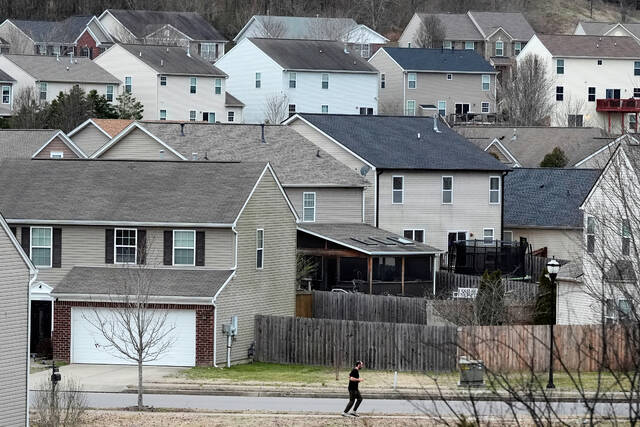
While the national homeownership rate is around 65%, there are more renters than homeowners in many large metropolitan areas, such as New York, Los Angeles and Chicago, Hale said.
And the burden of sharp rent increases tends to fall mostly on a segment of the population that tends to be younger and less financially flexible.
“The renter population tends to be different than the homeowner population,” Hale said. “They tend to be younger, they tend to have less wealth, and also be lower income, generally speaking, which can make it more difficult for them to navigate price increases.”