


The U.S. union membership rate reached an all-time low last year despite high-profile unionization campaigns at Starbucks, Amazon and other companies.
Union members fell to 10.1% of the overall U.S. workforce, according to the Bureau of Labor Statistics. That was down slightly from 10.3% in 2021.
The number of workers belonging to a union actually increased by 1.9% to 14.3 million. But that failed to keep pace with higher overall employment rates. The number of wage- and salary-earning workers rose by 3.9%, the government said.
U.S. union membership has been falling steadily for decades. In 1983, the first year that comparable data is available, the union membership rate was 20.1%, the government said.
Public-sector workers, like police and teachers, had the highest unionization rates last year, at 33%. Just 6% of private-sector workers were unionized.
Automation, outsourcing and lower unionization rates in traditional union strongholds, like auto manufacturing, are one reason for the steady decline. But states have also chipped away at unions’ power. Twenty-seven states now have “right-to-work” laws, which prohibit a company and a union from signing a contract that requires workers to pay dues to the union that represents them.
Despite those laws, support for unions has been growing. In a survey published in August, Gallup found that 71% of Americans said they approve of labor unions, the highest percentage recorded since 1965.
As the pandemic has eased, there has been a surge in demand for unionization. Labor shortages gave workers a rare upper hand, which they used to seek higher pay and benefits from their employers. The National Labor Relations Board reported a 53% increase in union representation petitions in its 2022 fiscal year, which ended Sept. 30. A total of 2,510 petitions were filed with the agency, the highest number since 2016.
Dan Cornfield, a sociology professor at Vanderbilt University who studies unions, noted that while unionization rates are declining in some sectors, like telecommunications and clothing manufacturing, they’re rising in others, including hospitality, the arts and entertainment. Younger workers are largely driving those efforts, he said.
“Those actions and attitudes could portend a reversal of this long-term decline,” Cornfield said.
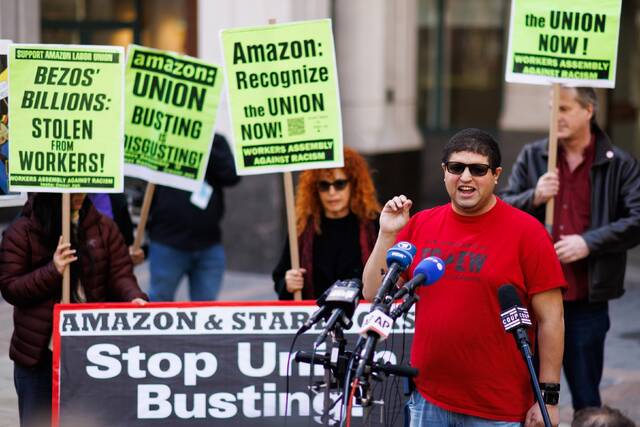
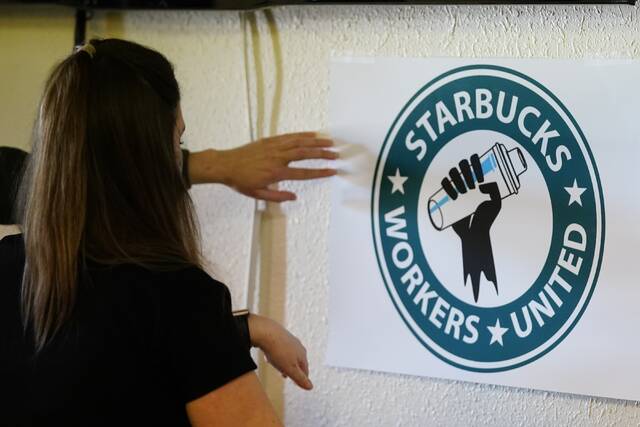
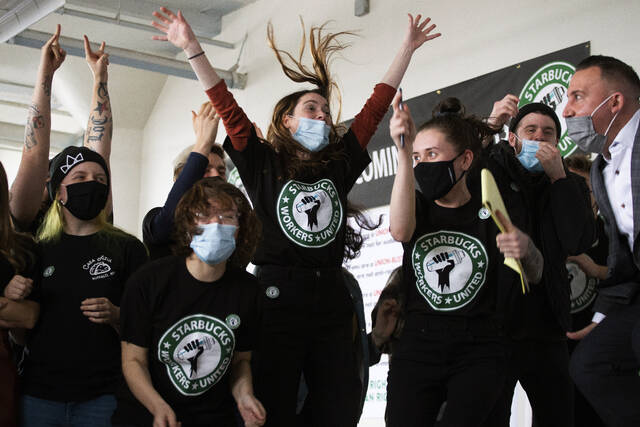
Workers at more than 270 U.S. Starbucks stores have voted to unionize over the last year, an effort that Starbucks opposes. Workers at REI and Chipotle followed with their own unionization campaigns. And workers at an Amazon warehouse in New York City voted to unionize last spring, although Amazon workers at a different warehouse in upstate New York later rejected unionization.