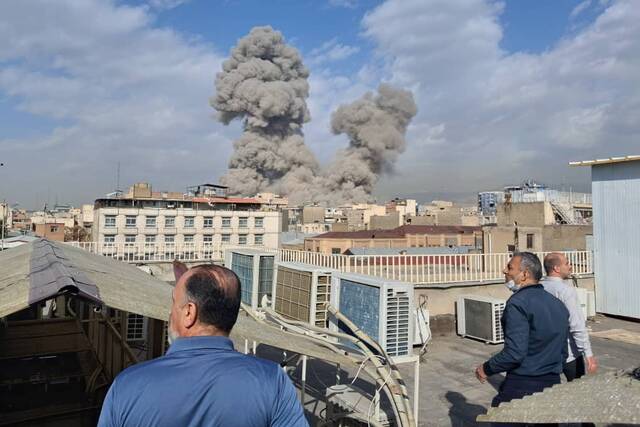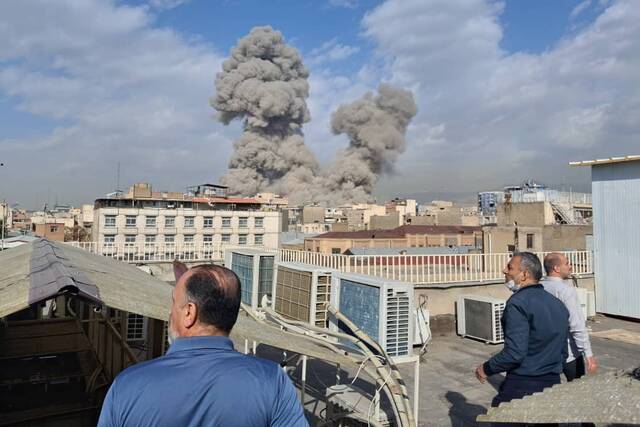
MADISON, Wis. — Smoke from Canadian wildfires has prompted health warnings across the upper Midwest for the second straight year.
Fires raging in British Columbia and Alberta sent the haze over parts of Montana, the Dakotas, Minnesota and Wisconsin on Sunday, lingering into Monday morning.
The Minnesota Pollution Control Agency issued its first air quality alert of the season for the entire state on Sunday. The agency said pollution levels will be unhealthy for everyone. The agency urged people to remain indoors and avoid heavy exertion outdoors until the warning expired at noon on Monday.
The Wisconsin Department of Natural Resources issued advisories for multiple counties across the state’s northern two-thirds on Sunday warning air quality is unhealthy for sensitive people. The advisories were set to end at noon on Monday as well.
Rafal Ogorek, a meteorologist in the National Weather Service’s Chicago office, said that at least some smoke could drift as far south as Iowa and Chicago, leaving skies looking milky by late Tuesday or early Wednesday.
Nearly 90 fires are currently burning in Canada, according to the Canadian government’s National Wildland Fire Situation report. A fire raging near Fort Nelson in British Columbia’s far northeastern corner has forced evacuations.
Most of the smoke is hanging between a mile (1.6 kilometers) and 2 miles (3 kilometers) above the ground, the National Weather Service’s Ogorek said. Prevailing winds are driving the smoke south and east, he said.
Canada witnessed a record number of wildfires in 2023 that also caused choking smoke in parts of the U.S. and forced tens of thousands of people to evacuate across British Columbia. Smoke from those fires led to hazy skies and health advisories across multiple U.S. cities.
The chances of more wildfires igniting this summer appear high. Northeastern British Columbia, northwestern Alberta and the southern Northwest Territories are suffering from an intense drought, meaning lightning strikes could trigger fires that grow quickly, according the Canadian National Wildland Fire Situation report.