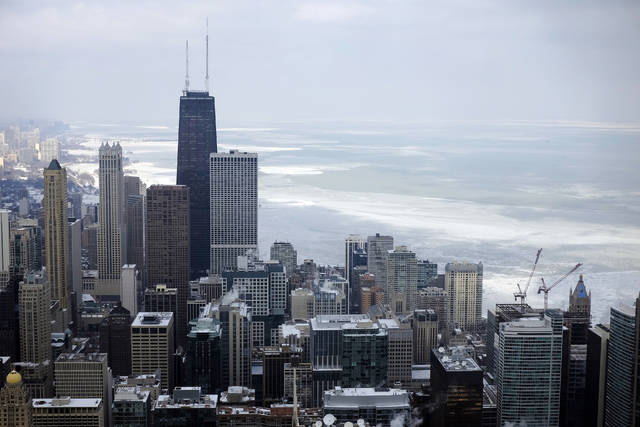

ORLANDO, Fla. — Big cities in the U.S. aren’t growing like they used to.
Most of the nation’s largest cities last year grew by a fraction of the numbers they did earlier in the decade, according to population and housing unit estimates released Thursday by the U.S. Census Bureau.
The previous growth big cities had experienced in the first half of the decade was fueled by millennials who delayed home-buying in the suburbs after the recession and stuck it out in large cities, said William Frey, a senior fellow at The Brooking Institution’s Metropolitan Policy Program.
The recession’s aftermath “stranded a lot of millennials in cities rather than their moving off to the suburbs,” Frey said.
The Census data released Thursday looked at changes in cities and towns from mid-2017 to mid-2018. The data don’t reflect changes in metropolitan areas comprising multiple cities, towns, suburbs and counties.
The weakening in growth appears to have started two years ago, and accelerated last year.
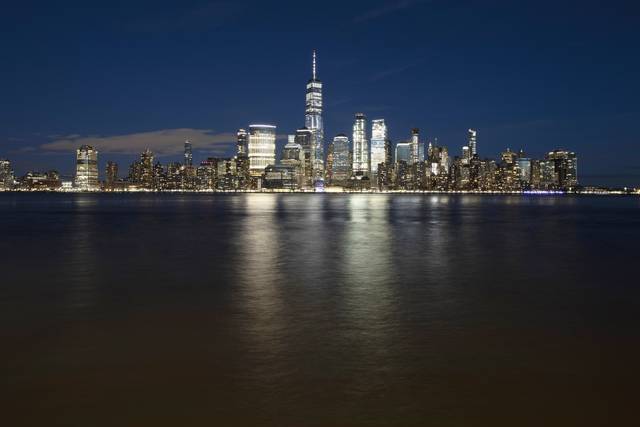
Perhaps no other city offers as stark an example of the trend than New York City, the nation’s most populous city with just under 8.4 million residents last year. Even though the city has grown by 223,000 residents since 2010, the most of any city over the past eight years except Houston, most of the growth was in the early part of the decade. At its height, New York City grew by more than 82,000 residents in 2011, but it lost 39,000 residents last year.
Last month, when the U.S. Census Bureau released county-level data that showed identical population loss, New York City’s planners took umbrage with the federal agency’s methodology, saying international migrants were undercounted.
“While population growth has likely slowed, the Census Bureau’s methodology is not robust enough to precisely quantify the magnitude of these year-to-year changes,” the planners said on the city website.
With the exceptions of Phoenix and San Antonio, the phenomenon of slowing growth in the nation’s largest cities also has hit Sunbelt cities including Los Angeles, Houston and Dallas, where the populations grew, but at a fraction of their growth six years ago. San Jose, California, lost more than 2,000 residents last year.
“There is a growing moving away from cities,” Frey said. “The first part of the decade was an aberration. Cities were growing faster than suburbs. That is starting to turn around.”