

OTTAWA, Ontario — A selection of Inuit artifacts returned by the Vatican is now at the Canadian Museum of History, after First Nations, Inuit and Métis leaders for years called for the repatriation of Indigenous items.
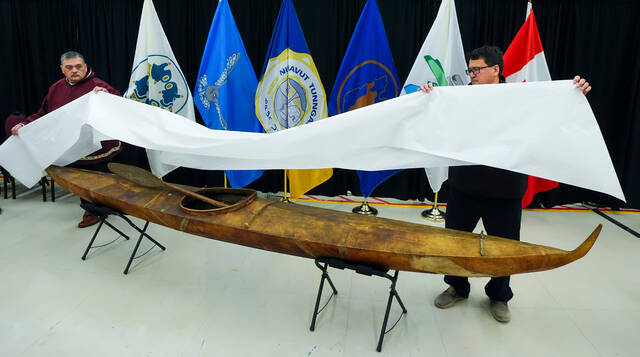
Pope Leo XIV gave the artifacts — including a traditional Inuit kayak — and supporting documentation to the Canadian Conference of Catholic Bishops, which said it would return the items to Indigenous communities “as soon as possible.”
The items — 62 in all — ultimately will be returned to their communities as part of the Catholic Church’s reckoning with its role in helping suppress Indigenous culture in the Americas.
First Nations, Inuit and Métis leaders welcomed the dozens of artifacts at Montreal’s airport on Saturday and Inuit leaders showed some of the returned items to a small group of Indigenous representatives and journalists Tuesday.
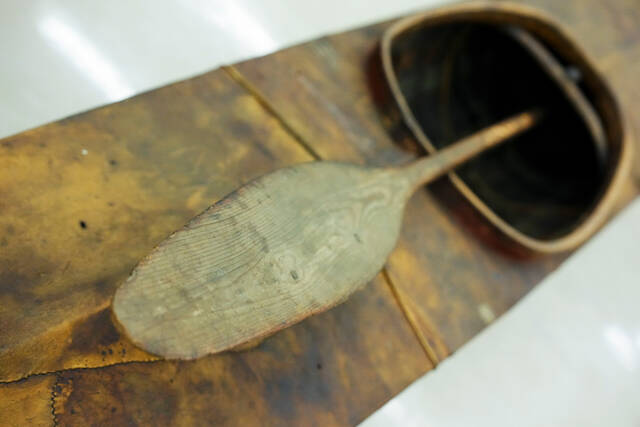
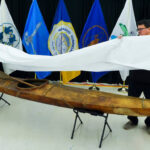
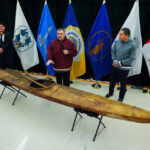
The Inuit kayak, elegantly hand-built from driftwood, sealskin and sinew, was one of the artifacts earmarked for repatriation.
Inuit Tapiriit Kanatami President Natan Obed said it’s not known how the kayak, an essential item to the life of the community and likely used for beluga hunting, ended up in the Vatican.
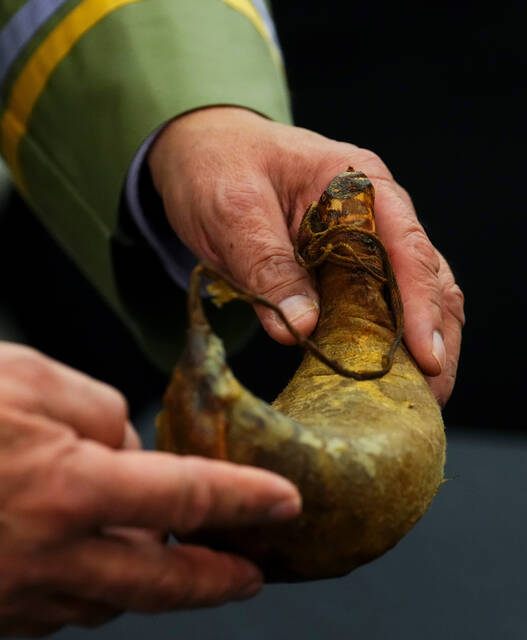
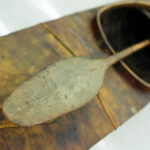
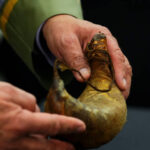
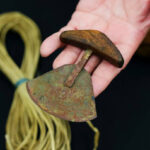
Along with the kayak, the items on display Tuesday included a handful of smaller Inuit items, including a soup ladle, needle casings and an ulu knife.
Obed said the items will not be on public display anytime soon as a group of Inuit advisers works to trace each artifact back to its community of origin. The artifacts will be kept for now at the Canadian Museum of History in a secure facility with temperature controls.
For a century, the items were part of the Vatican Museums’ ethnographic collection, known today as the Anima Mundi museum. The collection has been a source of controversy for the Vatican amid the broader debate over the restitution of cultural goods taken from Indigenous peoples during colonial periods.
Most of the items in the Vatican collection were sent to Rome by Catholic missionaries for a 1925 exhibition in the Vatican gardens. The Vatican insists the items were “gifts” to Pope Pius XI, who wanted to celebrate the church’s global reach, its missionaries and the lives of the Indigenous peoples they evangelized.
But historians, Indigenous groups and experts have long questioned whether the items could really have been offered freely, given the power imbalances at play in Catholic missions at the time.
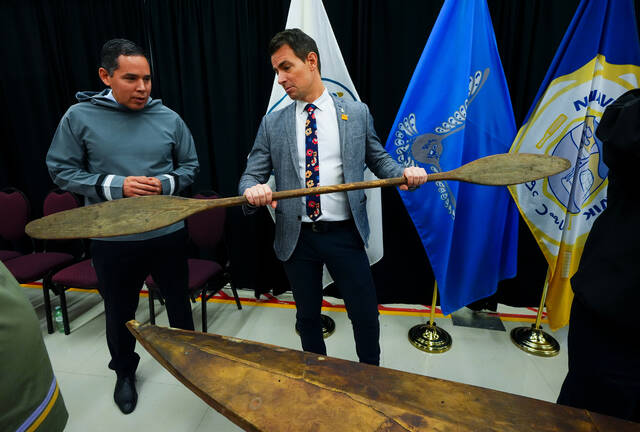
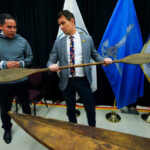
During the display on Tuesday, Inuit leaders demonstrated for journalists how the items were made and how they would have been used. Onlookers were allowed to touch the objects as Paul Irngaut, acting president of Nunavut Tunngavik Inc., explained their cultural significance.
“I’m sure that there were some people who are curators who might have been quite aghast at us touching the item, lifting it up, handling the paddle,” Obed said, adding that returning the artifacts is “part of reconciliation.”