
We all know staying away from sugar has been of caution for ages, but has the time come to start keeping an eye on sugar substitutes as well?
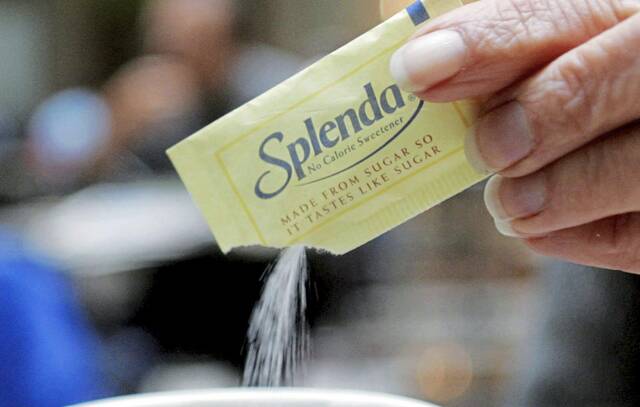
Apparently, a new study said consuming food or drinks flavored by a sugary replacement called erythritol — often found in Splenda packets, diet drinks and low-calorie snacks — has been linked to blood clotting, stroke, heart attack and death.
So, basically, anything flavored by the artificial sweetener can increase the probability of those risks, according to reports from CNN and Insider.
If you didn’t know, artificial sweeteners are typically used in sugar-free goods recommended for people who already have diabetes or are obese.
But the thing is the artificial sweetener — erythritol — is made from fermented corn and is mostly absorbed into the bloodstream after consuming it. According to the study, CNN reported that it’s even more of a risk for people who have an existing heart disease as they are twice as likely to experience a heart attack or stroke if they happen to have high amounts of erythritol in their blood.
“If your blood level of erythritol was in the top 25% compared to the bottom 25%, there was about a two-fold higher risk for heart attack and stroke. It’s on par with the strongest of cardiac risk factors, like diabetes,” lead author Dr. Stanley Hazen, director of the center for cardiovascular diagnostics and prevention at the Cleveland ClinicLerner Research Institute, said to the news outlet.
According to Insider, a sugar alcohol found in some fruits, erythritol is 70% as sweet as sugar and contains about 6% of the calories found in an equal amount of sugar.
Researchers at Cleveland Clinic found that some sugar alcohols, especially erythritol, can contribute to blood clots.
It all sounds alarming.
“There appears to be a clotting risk from using erythritol,” said Dr. Andrew Freeman, director of cardiovascular prevention and wellness at National Jewish Health, who was not involved in the research, said to CNN. “Obviously, more research is needed, but in an abundance of caution, it might make sense to limit erythritol in your diet for now.”
On the other hand, the Calorie Control Council, an industry association, responded to the study and told the news outlet that “the results of this study are contrary to decades of scientific research showing reduced-calorie sweeteners like erythritol are safe, as evidenced by global regulatory permissions for their use in foods and beverages,” said Robert Rankin, the council’s executive director, in an email.
The results “should not be extrapolated to the general population, as the participants in the intervention were already at increased risk for cardiovascular events,” Rankin said.
All in all, keep an eye on your sugar intake.