BILLINGS, Mont. — U.S. transportation officials on Tuesday adopted long-delayed measures that are meant to prevent pipeline spills and deadly gas explosions but don’t address recommended steps to lessen accidents once they occur.
The new rules from the Department of Transportation apply to more than 500,000 miles of pipelines that carry natural gas, oil and other hazardous materials throughout the U.S.
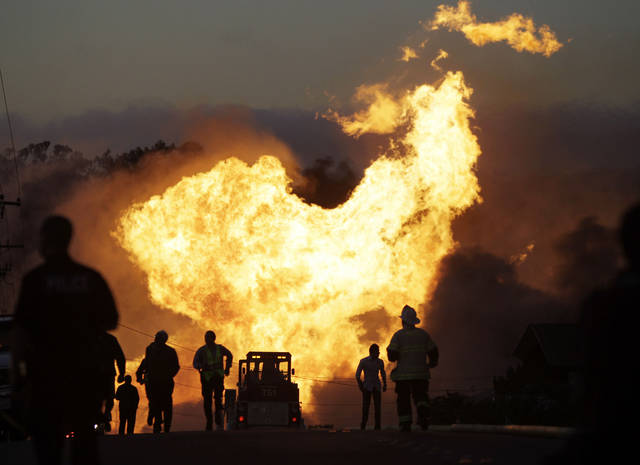
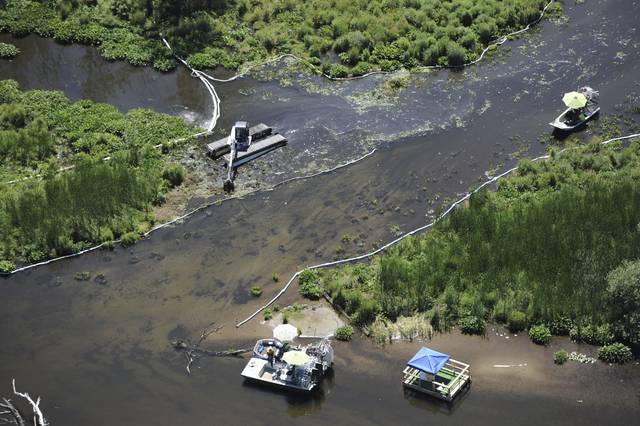
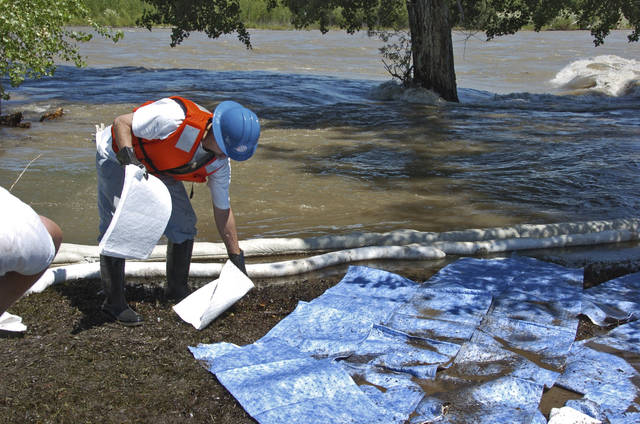
In the works for almost a decade, the rules came in response to a massive gas explosion in San Bruno, California, that killed eight people in 2010, and large oil spills into Michigan’s Kalamazoo River in 2010 and the Yellowstone River in Montana in 2011 and 2015.
The rules require companies to more closely inspect underground pipelines, including in rural areas and after catastrophic weather events. They also require better record-keeping so companies can monitor lines in some cases installed decades ago.
Left unaddressed were longstanding recommendations by safety officials to install valves that automatically shut down pipelines following accidents. Also absent were requirements for more advanced systems to detect pipeline ruptures.
Those issues were being addressed through a separate, ongoing rule-making process.
U.S. Rep. Peter DeFazio, chairman of the House transportation committee, said Tuesday’s rules were a step in the right direction. But the Oregon Democrat added that he was frustrated over “critical safety gaps” that remain in areas including leak detection technology and shut-off valves, which were mandated under pipeline safety legislation signed into law in 2011.
“I hope the administration will move quickly on these rulemakings to ensure our nation’s pipeline systems operate safely,” DeFazio said.
Industry groups and safety advocates backed the adopted changes. In February, they joined to prod the Transportation Department’s Pipeline and Hazardous Materials Safety Administration to finalize the rule for gas transmission lines after it had been repeatedly delayed.
“It doesn’t seem to us like any of those rules should have taken 10 years to pass … Everybody thinks these are common-sense, small regulations,” said Carl Weimer with the Pipeline Safety Trust, a Bellingham, Washington-based group that formed after a 1999 gasoline pipeline break and explosion killed a teenager and two 10-year-old boys.
While the rules were pending, pipeline companies moved on their own to make safety improvements such as developing guidelines for identifying and repairing cracked lines and responding to pipeline emergencies, according to the Association of Oil Pipe Lines.
Federal regulators are expected to soon release their proposals for pipeline shut-off valves and rupture detection equipment. A separate proposal due sometime next year would extend safety regulations to so-called gathering pipelines that transport natural gas from drilling locations.
Congress also is considering changes to the government’s pipeline safety rules through legislation that would re-authorize the program for the next four years.