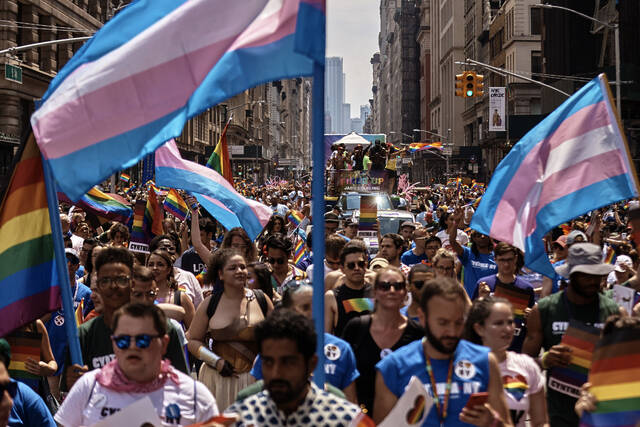

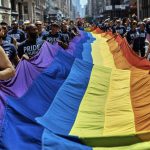
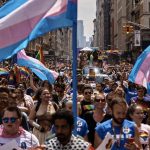
NEW YORK — Parades celebrating LGBTQ pride kick off in some of America’s biggest cities Sunday amid new fears about the potential erosion of freedoms won through decades of activism.
The annual marches in New York, San Francisco, Chicago and elsewhere take place just two days after one conservative justice on the Supreme Court signaled, in a ruling on abortion, that the court should reconsider the right to same-sex marriage recognized in 2015.
That warning shot came after a year of legislative defeats for the LGBTQ community, including the passage of laws in some states limiting the discussion of sexual orientation or gender identity with children.
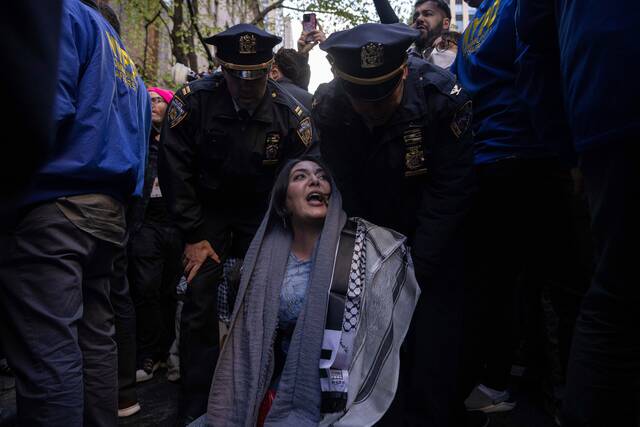
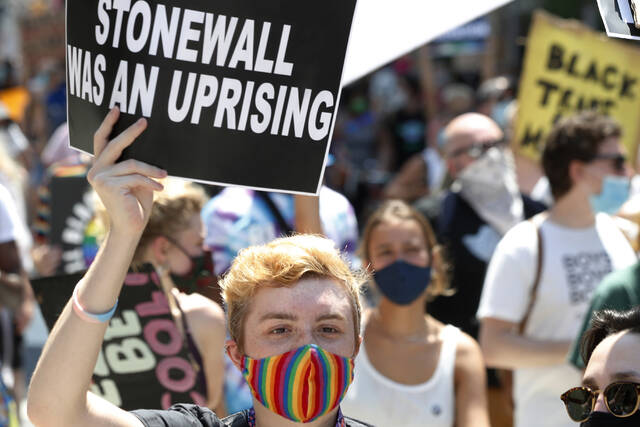
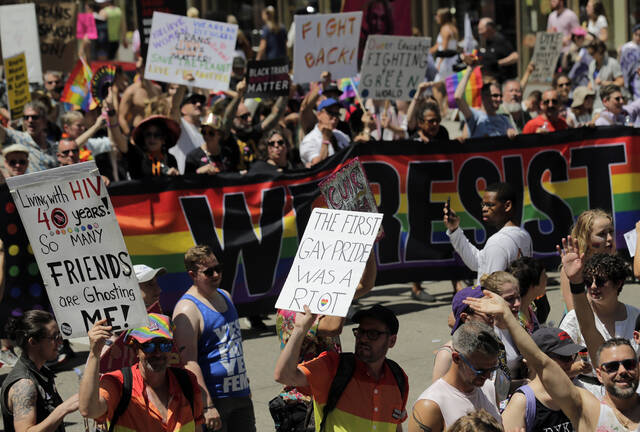
As anti-gay sentiments resurface, some are pushing for pride parades to return to their roots — less blocks-long street parties, more overtly civil rights marches.
“It has gone from being a statement of advocacy and protest to being much more of a celebration of gay life,” Sean Clarkin, 67, said of New York City’s annual parade while enjoying a drink recently at Julius’s, one of the oldest gay bars in Manhattan’s Greenwich Village.
As he remembers things, the parade was once about defiance and pushing against an oppressive mainstream that saw gays, lesbians and transgender people as unworthy outsiders.
“As satisfying and empowering as it may be to now be accepted by the mainstream,” Clarkin said, “there was also something energizing and wonderful about being on the outside looking in.”
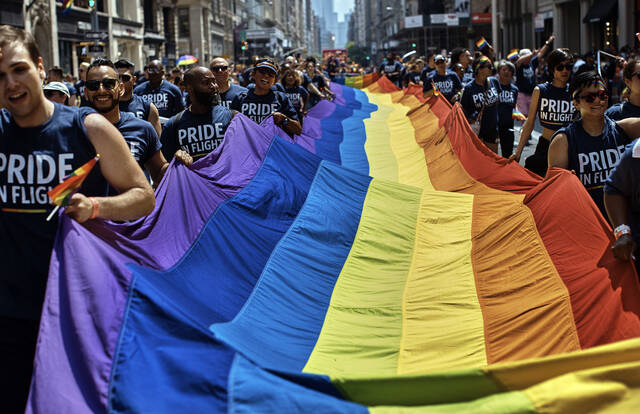
Dan Dimant, a spokesperson for Heritage of Pride, the nonprofit that organizes New York City’s parade, said this year’s march will still be festive, with floats and “people dancing and celebrating.”
“Pride is many things to many people. And for many people, it’s a protest. And to many people, it’s a celebration. We create experiences for members of our community to experience pride and the way that resonates with them,” Dimant said.
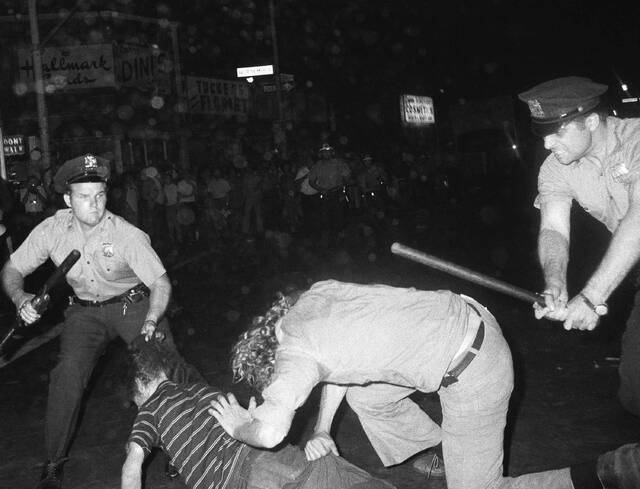
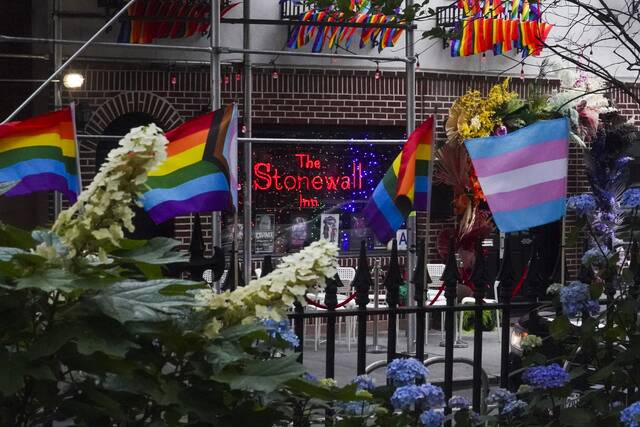
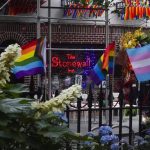
New York’s first Pride March, then called the Christopher Street Liberation Day March, was held in 1970 to mark the first anniversary of the Stonewall rebellion, a spontaneous street uprising triggered by a police raid on a gay bar in Manhattan.
San Francisco’s first march was in 1972 and had been held every year since, except during the last two years of the covid-19 pandemic.
Celebrations are now global, taking place throughout the year in multiple countries, with many of the biggest parades taking place in June. One of the world’s largest, in Sao Paulo, Brazil, was held June 19.
In the United States, this year’s celebrations take place amid a potential crisis.
In a Supreme Court ruling Friday striking down the right to abortion, Justice Clarence Thomas said in a concurring opinion that the court should also reconsider its 2015 decision legalizing same-sex marriage and a 2003 decision striking down laws criminalizing gay sex.
More than a dozen states have recently enacted laws that go against the interests of LGBTQ communities, including a law barring any mention of sexual orientation in school curricula in Florida and threats of prosecution for parents who allow their children to get gender-affirming care in Texas.
Several states have put laws in place prohibiting transgender athletes from participating in team sports that coincide with the gender in which they identify.
According to an Anti-Defamation League survey released earlier this week, members of LGBTQ communities were more likely than any other group to experience harassment. Two-thirds of respondents said they have been harassed, a little more than half of whom said the harassment was a result of their sexual orientation.
In recent years, schisms over how to commemorate Stonewall have opened, spawning splinter groups events intended to be more protest-oriented.
In New York City, the Queer Liberation March takes place at the same time as the traditional parade, billing itself as the “antidote to the corporate-infused, police-entangled, politician-heavy Parades that now dominate Pride celebrations.”
More of that spirit could rub off on the major parades this year, though many fans of the marches see them as a combination of activism and celebration.
New Yorker Vincent Maniscalco, 40, who has been married to his husband for five years, said he thought the marches are an opportunity to both spotlight civil rights issues and bring “individuals together of all walks of life to celebrate their authentic self. And I think the New York City Pride Parade does a very excellent job of that.”