President Donald Trump signed an order aimed at protecting domestic supplies of elemental phosphorus used by the U.S. military and glyphosate-based herbicides common in U.S. agricultural production, according to a White House official.
The executive order, which Trump signed on Wednesday, invokes the Defense Production Act to protect domestic supply chains of both materials. Elemental phosphorus is processed into white phosphorus, which can be used in military munitions or altered further for agricultural uses.
“The order finds that any interruption of supply of either of these critical materials could leave our defense industrial base and food supply vulnerable to hostile foreign actors,” the White House said in a statement.
The order instructs Agriculture Secretary Brooke Rollins to follow up with regulations and other measures to determine the proper allocation of materials necessary to ensure a continued supply of the products, in consultation with the Defense Department.
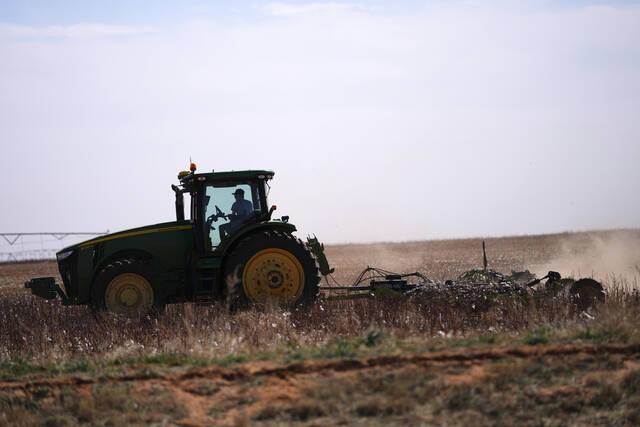
The White House said there is only one domestic producer of both materials, and farmers have warned the administration that the president’s tariffs on imported herbicides and fertilizers are driving up the cost of crops.
Tampa-based Mosaic Co. is the U.S.’s top fertilizer producer, and it makes nearly half of the phosphate-based crop nutrients used by U.S. farmers. Its shares rose as much as 1.9% in after-market trading.
Germany-based Bayer AG acquired Roundup pesticide producer Monsanto in 2018, but many U.S. agricultural operations remain dependent on imported herbicides.
Glyphosate has long been a target of concerned scientists and consumers, who have flagged potential links to cancer and hormonal disruptions. The U.S. Environmental Protection Agency still considers the crop input safe, and the Trump administration in its “Make America Healthy Again” report last year avoided scrutiny of the input, which farmers say there is no affordable substitute for.
Meanwhile, elemental phosphorus, through processing, is also used in phosphate fertilizers — though those crop inputs are not mentioned in the White House’s executive order. The market for those fertilizers, which are used on U.S. soy fields along with potash, has been tight, in part as China continues to restrict phosphate exports to insulate domestic supplies and pricing.
Trump last November exempted most phosphate fertilizers from the reciprocal tariffs he put in place in April, providing some relief to prices. Still, another key supplier, Morocco, is subject to separate U.S. duties, which are up for a review later this year.
The president has acknowledged that concerns over food prices are a critical component of the affordability debate expected to dominate the midterm elections.
“If our farmers are reliant on other countries—especially our foreign adversaries—for critical inputs, we will not be able to feed ourselves. Yet again President Trump is honoring his commitment to American agriculture to boost the economic viability of farming,” Rollins said in a statement.
However, the executive order “offers scant relief to cash-strapped farmers, leaving a core supply problem — countervailing duties — untouched,” Bloomberg Intelligence analyst Alexis Maxwell wrote in a note.
Wednesday’s order isn’t the first time Trump has relied on the Defense Production Act. Last year, Trump signed orders allowing for the law to be used to expand domestic mineral production capacity, the nation’s maritime industry and nuclear fuel management.