SANTA FE, N.M. — The Energy Department wants to switch to less stringent testing for detecting cancer-causing chemicals at and around one of its premier nuclear weapons laboratories despite concerns from environmentalists and New Mexico regulators.
The federal agency is using New Mexico’s three-year review of surface water rules to push for a test at Los Alamos National Laboratory that’s more limited in detecting polychlorinated biphenyls, or PCBs, the Santa Fe New Mexican reported. Medical research has shown the chemicals can cause cancer, impair children’s brain development, hurt reproductive systems and increase the chance of heart and liver diseases.
The Energy Department asserts that its testing would be sufficient and that the current method required by the state goes far beyond what’s necessary.
Parties in the dispute have submitted written arguments and testified at hearings held by the state Environmental Improvement Board as part of its review of surface water regulations done every three years.
Rachel Conn, project director for the Taos-based Amigos Bravos water conservation organization, bashed the proposed testing change as another attempt by the Energy Department to cut corners on safeguarding public health.
“It’s a shame that our taxpayer money is being used to lower the bar for protections for New Mexico waters and weaken our water quality standards,” she said.
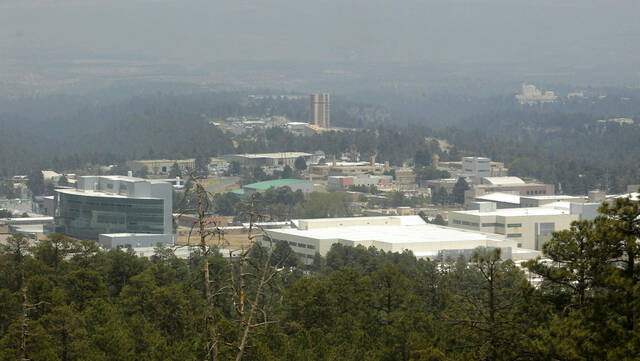
The birthplace of the atomic bomb, Los Alamos National Laboratory has more than 130 miles of streams in and around its site, covering 36 square miles. How often it monitors for pollution can range from hourly to yearly and in some cases every five years.
In New Mexico, the Environmental Protection Agency issues permits for discharges and stormwater runoff, and the state checks whether the water quality meets its standards.
John Toll, an Energy Department consultant, testified that the state’s required testing method was never officially approved by the EPA so New Mexico must use the EPA-backed test — what energy officials are proposing.
He also said the state, in turn, cannot require testing that detects amounts of PCBs lower than the minimum levels described in the federal guidelines.
Shelly Lemon, the state Environment Department’s Surface Water Quality Bureau chief, argued that states can adopt regulations that are more stringent than federal rules. More specifically, she wrote that state law doesn’t bar agencies from adopting standards that are stricter than the Clean Water Act.
Lemon noted that New Mexico’s current testing method is the only known one that can assess whether wastewater and other discharges comply with the state’s criteria as well as federal pollutant permit limits, including for PCBs. The tests are state approved and written into the regulations.
New Mexico residents, including those in Indigenous pueblos near the lab, benefit by having more information about the water they consume, not less, said Maggie Hart Stebbins, state natural resources trustee.