The United States will detain shipments of palm oil and its products from a major producer in Malaysia after a wide range of labor abuse indicators were found, including physical and sexual violence and forced child labor, an official said Wednesday.
The withhold release order against FGV Holdings Berhad goes into effect immediately following a yearlong investigation, said Brenda Smith, executive assistant commissioner at the U.S. Customs and Border Protection’s Office of Trade.
“We would urge the U.S. importing community again to do their due diligence,” she said, adding they should look at their palm oil supply chains. “We would also encourage U.S. consumers to ask questions about where their products come from.”
FGV is one of the world’s largest palm oil companies and is closely connected to Felda, which is owned by the Malaysian government.
The Customs order comes a week after an Associated Press investigation exposed a litany of labor abuses in the palm oil industry in Malaysia and Indonesia, which together produce around 85% of the global $65 billion supply.
Some of the abuses occurred on plantations operated by Felda. The tainted palm oil was traced to the supply chains of the planet’s most iconic food and cosmetics companies like Unilever, L’Oreal, Nestle and Procter & Gamble.
FGV issued a statement over the weekend outlining its commitment to human rights, including steps it was taking to make sure its workers have access to their passports and wages.
“Despite ongoing criticism and allegations against FGV, we will continue with our effort to strengthen our practices to respect human rights and uphold labour standards,” it said. “Our commitment to sustainability is clear, and we are determined to achieve the goals and targets we have set as a responsible and sustainable business.”
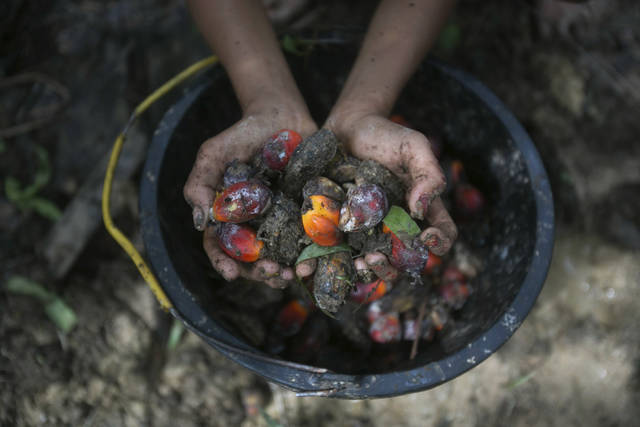
Palm oil is the world’s most consumed vegetable oil, found in roughly half the products on supermarket shelves. Production has exploded globally, soaring from 5 million tons in 1999 to 72 million today, according to the U.S. Department of Agriculture. The U.S. alone has seen a 900% spike in demand during that same time.