
https://triblive.com/opinion/david-macpherson-moral-injury-and-patriotism/
David Macpherson: Moral injury and patriotism

I attended high school in the early ’70s, just as the Vietnam War was ending and Richard Nixon was cheating. I wanted to think of myself as a protester, but most war protesting was over by the time I could drive. Furthermore, displaying patriotism was not what cool kids did and I was not cool, so instead I marched with my school’s band on the major holidays.
The only times I felt the emotion of patriotism was when my friend, an outstanding trumpeter, stood behind a distant tree and played taps at the local cemetery on Memorial Day. His clear, dignified notes left many, including me, in tears.
Almost all my career was spent in the Veterans Health Administration caring for veterans. Each morning, I walked past the presidents’ and secretaries’ portraits, some days thinking critical thoughts, others, feeling a sense of pride in their devotion to the nation.
As I aged, I found myself tearing up more often at patriotic events. I’m filled with pride as the fighter jets gracefully show their power as they soar over the major sporting events. The most touching ceremonies to witness were the honor walks during which VA hospital staff line the hallways in silence while a group of employees escort the veteran’s body from the hospital and to the hearse. Though I never had the honor of serving, I’ve come to understand better what it meant to serve in the military and the nature of sacrifice.
One of the most disturbing sacrifices some soldiers endure is moral injury. Moral injury is the suffering when a person participates in, witnesses or is betrayed by events that violate deeply held values such as religious, school or home teachings from childhood. This suffering leads to shame, anger and often maladaptive behaviors such as substance abuse, and can lead to PTSD, depression and suicidality. While many of the maladaptive disorders and mental health problems can be treated, the facts of the moral injury often can’t be reconciled.
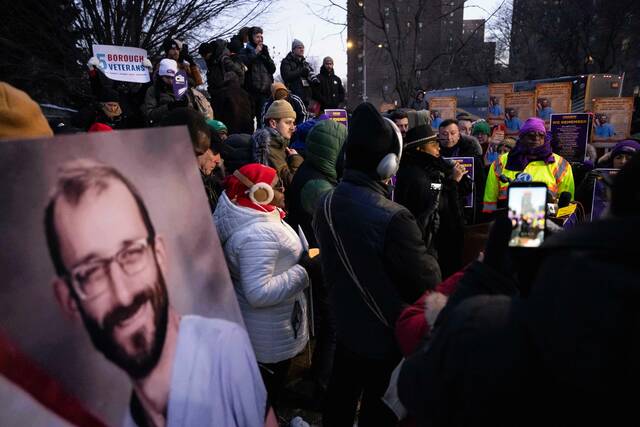
For the past year, the nation has witnessed a seemingly unending litany of events that I believe are a type of national moral injury: two innocent protesters killed in Minneapolis only to be immediately, incorrectly labeled by government leaders as terrorists with lethal intent; a young boy held by his backpack from behind by a looming masked ICE agent. We learned the boy and his father had been quickly flown to a detention center in Texas, violating court orders. There has been the termination of food aid and medical supplies to impoverished nations predicted to, by one estimate, lead to 2.4 million preventable deaths per year over the next several years. Every day, it seems we face another assault on our moral foundations.
The idea that the American government is good is fading. Fast. While I’ve been critical of our government in the past, I always thought our leaders were the good guys, just trying to do right by their citizens in the ways they believed were right. Now, instead of assuming the president and members of Congress are telling me the truth, I’m assuming they are not. And often, I learn later they were lying — not unintentionally but purposely. It’s another punch to the gut, another moral injury.
Any small amount of patriotism I used to feel is being pushed aside by anger and guilt I’m not doing more. With that comes a feeling of helplessness — the problem seems too big and hard to solve.
And while hope feels impossible in the current times, glimmers of a better future still arise from the marchers in Minneapolis and our local community supporting immigrants and their families who are unjustly detained.
Dr. David Macpherson is a retired physician living in Upper Burrell.
Copyright ©2026— Trib Total Media, LLC (TribLIVE.com)