
https://triblive.com/opinion/editorial-a-year-defined-by-accountability/
Editorial: A year defined by accountability

When it comes to editorials, our focus is always on our people — what hurts, what helps, what can be fixed.
Sometimes that means being hyperlocal, examining issues that may start on a single street or in a single community but carry meaning across the region.
Other times it means taking a broader view, looking at how the same challenge plays out differently in Pittsburgh, Greensburg, the Alle-Kiski Valley or across the state.
And sometimes it means examining national issues through a local lens — or showing how local realities connect to larger conversations.
That approach shaped the editorials that resonated most with readers in 2025.
In Pittsburgh, the Steel City’s most persistent editorial focus revolved around U.S. Steel — not because of a single announcement but because of sustained uncertainty.
As the proposed transaction involving Nippon Steel evolved, the language surrounding it grew more confident — but less clear. What readers needed — and what editorials pressed for — was not advocacy for or against a deal but clarity about ownership, control and long-term consequences for a company that remains central to the region’s identity and economy.
In the Alle-Kiski Valley and Westmoreland County, editorials returned to the same underlying concerns, even as they played out in different places.
One was higher education. Penn State’s decision to close commonwealth campuses — including New Kensington and Fayette — prompted editorials that pressed for answers about impact and accountability. What would those closures mean for students and local economies? What, if anything, would replace institutions that had long been treated as anchors? And what responsibility does Penn State bear to the communities it chose to leave?
The other recurring issue was retail and the regional economy. In the Valley, editorials challenged the prolonged neglect of Pittsburgh Mills mall and the ripple effects for surrounding businesses and residents. In Westmoreland County, as reporters examined the sale of Monroeville Mall to Walmart, editorials balanced optimism for renewal with skepticism about the new owner’s request for public funding to tear down the site.
In both cases, the focus was not nostalgia for what once was but scrutiny of what comes next — and who is expected to shoulder the cost when large institutions retreat or reinvent themselves.
At the state level, editorials repeatedly returned to the same demand: transparency, paired with perspective.
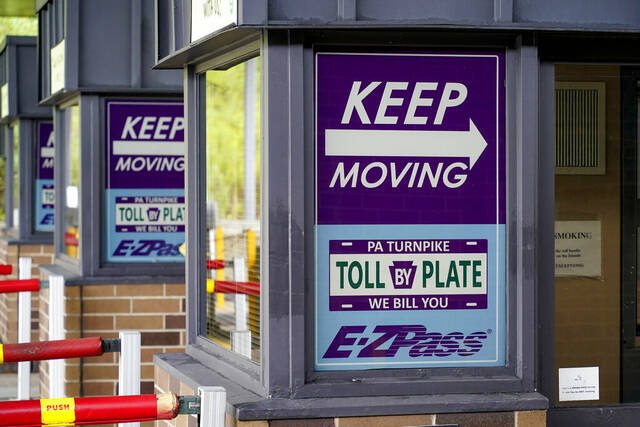
In 2025, that meant questioning power and accountability. Editorials took the Pennsylvania Turnpike Commission to task over undisclosed raises and pressed for answers after a pay increase for Penn State President Neeli Bendapudi. They scrutinized how an unlicensed nurse could be hired repeatedly at regional nursing homes, exposing gaps in oversight meant to protect vulnerable residents.
The same insistence on accountability shaped coverage of the state budget, as editorials criticized lawmakers for failing to pass a spending plan while the financial and operational fallout landed squarely on taxpayers.
Across issues, the message was consistent: Secrecy and delay carry real costs, and the public deserves better.
Reader response suggested the public shared those expectations.
Copyright ©2026— Trib Total Media, LLC (TribLIVE.com)