
https://triblive.com/opinion/editorial-lets-see-the-receipts-on-data-centers/
Editorial: Let’s see the receipts on data centers

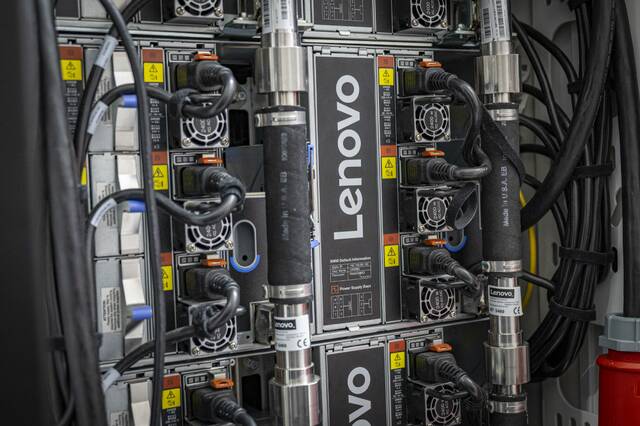
Pennsylvania lawmakers are embroiled in the annual dance in balancing our collective checkbook — the state budget.
At the same time, the Keystone State is offering a tax exemption to data center developers that the Department of Revenue acknowledges it cannot fully track.
It’s an odd thing to justify.
Qualifying data center developers can avoid Pennsylvania’s 6% sales tax on purchases related to building and maintaining their facilities, including expensive servers and equipment.
The program previously capped that amount and operated it as a refund. That allowed clear accounting. It is now an uncapped exemption. It does not include a reporting requirement at the time of purchase.
The result is harder to measure or predict.
According to Spotlight PA, Gov. Josh Shapiro’s latest budget proposal estimates the exemption cost the state $41 million last fiscal year.
Moving forward, it could spike — from $188 million in the upcoming fiscal year to $517 million in 2031. In total, the state could lose roughly $2 billion in revenue over that period.
The changes are not just upward. They swing like a pendulum. In 2022, the projected cost for the 2026-27 fiscal year was $89 million. Last year, it was revised downward to $45 million. Now it stands at $188 million.
That’s not just a gamble. It also is a big budget problem.
Supporters argue the exemption is necessary to attract investment in an industry that underpins the modern economy. Data centers power cloud computing, artificial intelligence and digital commerce — and those are the kinds of businesses that can have huge positive impacts.
Other states offer similar incentives, just as Pennsylvania has done in wooing other industries.
Opponents counter that the real winners are the wealthiest corporations — companies that don’t need such incentives and sometimes fail to be the boon they are expected to be. Do short-term construction jobs and limited long-term positions justify a subsidy with an uncertain cost?
But before weighing the economic merits, the state should confront a simpler issue: It cannot plan responsibly if it does not know the true price tag.
The lack of reporting makes it difficult to calculate the exemption’s full impact in real time. Estimates are, by definition, estimates.
Meanwhile, lawmakers are debating how to cover increasing demands for education funding, human services and infrastructure. Every projection matters. Revenue stability is not an abstract concept; it determines what programs are funded and what priorities are deferred.
This should not be a choice between cutting a program or keeping it. It’s simply a matter of better bookkeeping.
Economic development incentives can be legitimate tools. They can attract investment and create jobs. But they must be transparent and measurable. If a tax exemption is projected to cost billions, the state should be able to say with confidence how many billions it will cost.
Making long-term fiscal commitments in the dark is unreasonable. The state wouldn’t let a county or a school district be so cavalier in its reporting duties. Why would a tech giant get such leeway?
Budget pressures are mounting on not just the state but also the taxpayers. Every dollar is counted and every penny pinched. The least the state can do is expect receipts.
Copyright ©2026— Trib Total Media, LLC (TribLIVE.com)