COVID-19 is coming to town.
You are forgiven if you don’t immediately place the name. It’s gone through a number of changes in recent weeks. It’s the new official designation for the disease you are more likely to know as coronavirus.
The problem is that coronavirus isn’t a virus. It’s a whole family of viruses. If coronavirus were a make of car, COVID-19 would be the model.
That’s an important distinction because not every coronavirus is a threat. Check a bottle of household disinfectant for the bugs it kills and coronavirus is probably listed. Discovered in 1965, the first identified coronavirus was exactly what many of them are — an inconveniencing annoyance. The common cold.
COVID-19 nails us down to specifics. It tells us exactly which coronavirus is at play, and this is the one ravaging the Wuhan province in China and causing speculation about pandemics.
That’s why the disease is coming to town in a controlled form. The University of Pittsburgh will be among the U.S. academic labs conducting research into it.
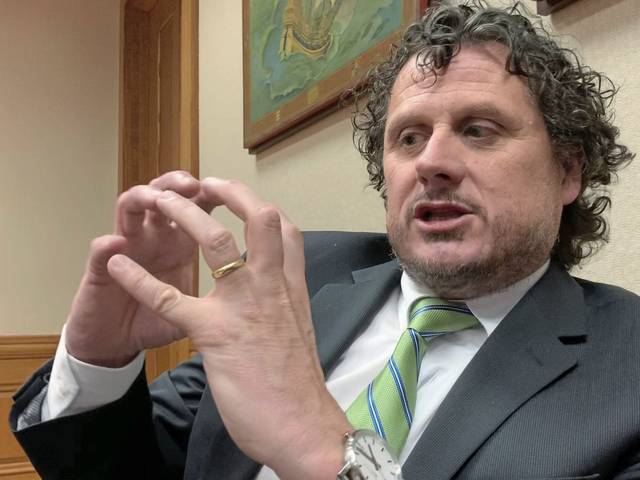
“We have a responsibility to play a part within the global effort to deal with this emerging infectious disease,” said Paul Duprex, director of Pitt’s Center for Vaccine Research.
It is important for Pitt — with its long history of virus research including Jonas Salk’s polio vaccine and early work on HIV — to be a part of the Centers for Disease Control and Prevention’s efforts along with other facilities around the country and around the world because viruses do not respect borders.
COVID-19 should not prompt panic because panic isn’t helpful. But that doesn’t mean that attracting the right attention from researchers and health organizations is overreaction. It just means they are doing what needs to be done — taking a threat seriously and working toward solutions.
Just two weeks ago, the Tribune-Review published another editorial on COVID-19, comparing it to SARS and crediting the Chinese government for doing better with this outbreak, although there were still some questions about that.
Those questions proved well-founded as China adjusted its numbers Thursday, changing how it counted patients and death tolls. Numbers exploded from 15,152 cases to 59,804. Deaths jumped from 254 to 1,367 that day.
“This is not a competition. This is a collaboration,” said Duprex.
And the more scientists around the world participating, like those at Pitt, the more we can trust the accuracy of the information.