Thirty-one years is a long time for any vehicle to remain in service. More than 100,000 miles takes a toll. That is not what you want when lives are on the line. And yet that was the backdrop for a donation this week — a well-worn ambulance in need of replacement.
It is an issue many communities face. Ambulances take a beating. They cannot sit idle when they are needed. And specialized equipment carries a price tag closer to real estate than to something on wheels.
The cost often forces municipalities and nonprofit providers to delay replacement or rely on grants and financing.
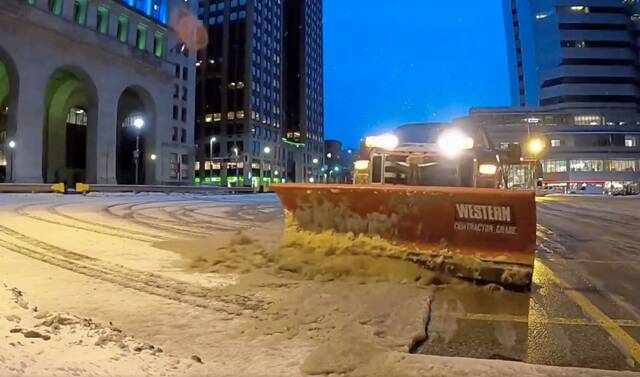
Not every emergency vehicle responds to fires or crashes. Some clear the roads. During the recent snowstorm, people depended on plow trucks to make streets passable so they could get to work, go to school and allow other emergency crews to do their jobs.
Pittsburgh has a long history of fleet problems that cut across departments. That came to a head when dozens of snowplows were out of commission just when they were needed most.
UPMC stepped in first, committing $10 million to help Pittsburgh replace aging ambulances and add a new rescue truck. The investment will pay for nine ambulances this year, easing pressure on a fleet that has suffered repeated breakdowns — including failures while transporting patients.
That would be beneficial on its own. But this is a domino effect. The gift frees up money the city might have otherwise directed to ambulances, allowing it to instead invest in snowplows.
Days later, the PNC Foundation followed suit with another $2 million specifically for snow-removal equipment. That will cover 15 new snowplows.
Taken together, the two investments will dig the city out of a significant hole when it comes to that snowplow fleet.
This is not simply a philanthropic success story. It shows how industry and government can work together when their interests align. It also underscores why this kind of relationship must continue.
Pittsburgh has long wrestled with the role of hospitals and universities that dominate the city but do not pay property taxes because they are nonprofits.
Mayor Corey O’Connor is fighting the same battle his predecessors did. Moments like this deserve appreciation — but not victory laps. It is hard to celebrate when the moment itself is so capricious. The problem is that ribbon-cutting, check-presentation, ancient ambulance photo-op moments are a snapshot quickly forgotten.
What Pittsburgh needs is not generosity sparked by crisis, but reliability built into the system.
Snow will fall again. Emergencies will not wait for fundraising calls to be returned. The lesson of this moment is not that help arrived — it is that help was needed at all.
If partnerships between government and the institutions that anchor this city are going to matter, they must be predictable, durable and designed to prevent failure, not respond to it. That is how Pittsburgh moves from relief to resilience.
Otherwise, 31 years from now, a new mayor will stand in front of an old ambulance hoping for a handout.