It takes time to move from an idea to implementation.
It also takes discipline to recognize when the time for that shift has arrived.
Two years ago, the conversation about the future of emergency medical services in the Alle-Kiski Valley was still largely theoretical. Communities were talking about sustainability, staffing and funding — about what might happen if fragile systems finally broke. They were searching for ways to preserve what they needed through innovation.
Now that conversation has shifted. The proposed Alle-Kiski Emergency Services Authority is no longer an abstract fix. It is moving toward formal creation, and with that comes a different — and more important — question: not whether the idea makes sense but whether it will be carried out well.
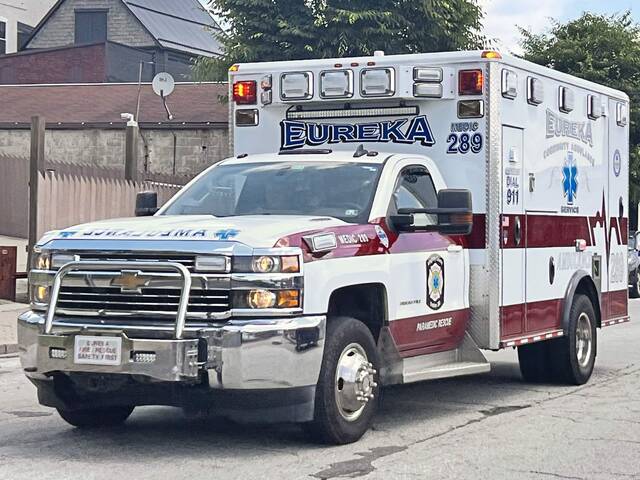
The pressures that sparked the discussion have not eased. Staffing shortages persist. Insurance and Medicare reimbursements still fall short of covering real costs. Volunteer pipelines remain thin. The chiefs of Eureka Community Ambulance and Citizens Hose EMS have been clear: The current model cannot last.
That reality makes regional cooperation not radical, or even merely practical, but arguably necessary.
The authority would merge the two struggling services into a single, paid, 24/7 operation serving Tarentum, Brackenridge and Harrison. Funding would come from insurance reimbursements and an annual fee paid by property owners — expected to be about $85 per property, though not yet finalized.
That price tag will understandably give some residents pause. It should. New costs deserve scrutiny.
But so does the cost of not moving forward, which is harder to predict — and harder to reverse.
When EMS systems fail, the consequences are not theoretical. They show up as longer response times, thinner staffing and fewer available units — risks borne by everyone, regardless of income or insurance status.
Seen in that light, the proposed fee is not simply another bill. It is a collective investment in a service that protects lives, homes and businesses — and one that must exist whether or not the numbers conveniently add up.
Still, authorities are not magic. They do not solve problems by virtue of their name alone.
Much of what will determine success lies ahead: governance, transparency, billing practices, staffing decisions and accountability. Those details will be set only after the authority is established, which makes public involvement now especially important.
Officials appear to understand that. The launch of a dedicated website and the emphasis on public meetings signal an effort to bring residents into the process rather than present them with a finished product. That is the right approach. Trust is not automatic, and buy-in cannot be assumed.
Residents should attend the meeting Wednesday. They should ask questions. They should expect clear answers about oversight, performance standards and long-term costs. Engagement now is how the proposal is pressure-tested — before it becomes policy.
Emergency medical services are not optional. They are as essential as water, sewer or power — and often far more urgent. The challenge is not whether to support them but how.