In 2022, Excela Health announced a merger with Butler Health System. It was all about taking the two organizations and giving them “the requisite scale to accelerate and elevate its relevancy … in the region’s highly competitive health care marketplace.”
That public-relations speak could be interpreted as allowing the hospitals to survive in a landscape dominated by the big dogs of UPMC and Allegheny Health Network.
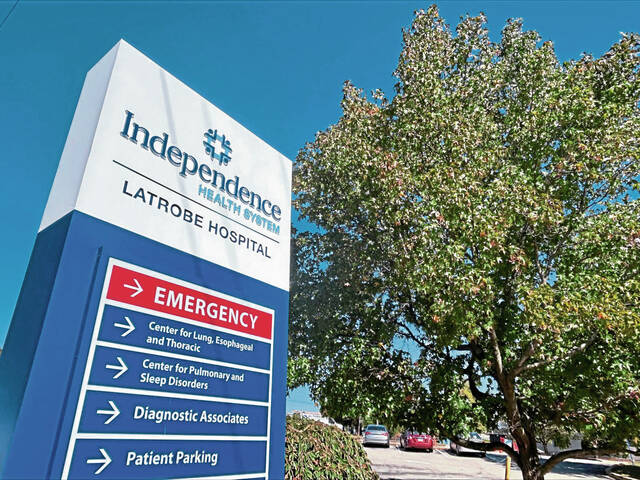
That was three years ago, and a lot has happened since. Excela and Butler created a new entity named Independence Health. There have been struggles. It hasn’t been easy. Butler’s credit rating worsened. Independence announced it was cutting 151 jobs. Keeping up with the industry leaders isn’t a walk in the park.
And then there are the less Independence-specific issues. All hospitals are dealing with a changing environment after the covid-19 pandemic. Staff members are burned out. Pharmacy benefit managers and insufficient Medicaid and Medicare reimbursements are hurdles all health care providers have to navigate.
That made another change predictable. It is a little surprising that it came so quickly. But this isn’t a merger. WVU Health System is acquiring Independence, and its debt. The deal will be final in the second half of 2026, assuming the Pennsylvania Department of Health and the Federal Trade Commission sign off.
But what does that mean going forward?
It means not only no Independence but less independence. Excela and Butler didn’t evade being acquired by a larger health system. They just staved it off for a few years.
It also represents another university-related system crossing the state line to compete with UPMC.
Acquisitions like this aren’t inherently good or bad. They are increasingly just the reality of the medical industry. They are a way to share assets and lower debt burden.
WVU Health System is promising to invest about $800 million in the Butler and Greensburg facilities over a five-year period. That’s transformational money.
There is also the introduction of a new insurance plan. Given the uncertain nature of insurance premiums, more options are always good.
But there are still questions to answer. How much local control will there be? What kind of long-term planning and involvement will occur? Yes, it’s an acquisition, but is it an absorption?
WVU Health officials have said they do not intend to reduce services. That is good to hear, but intentions are one thing. End results are another.
The region has come to rely on hospitals as more than just health care providers. Now they are major employers and economic engines, as important to the area’s financial health as its physical health.
That means the promises are all the more important.
The future of the region will depend on how this transition is treated. Will it be a short-term operation like Independence? Or will it be a long-term solution? Time will tell.