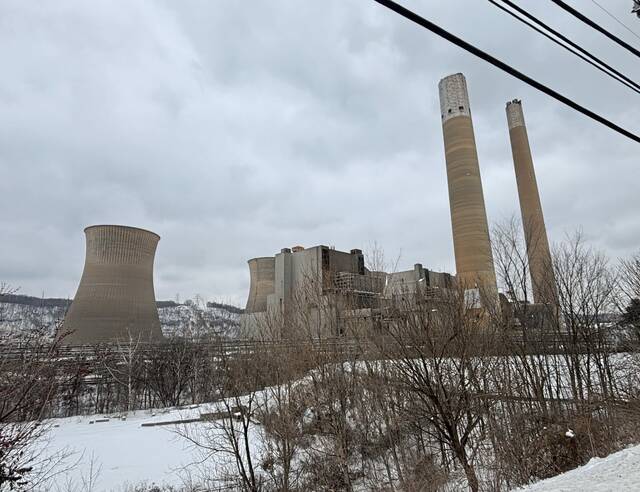
Southwestern Pennsylvania is set to become home to a fleet of massive data centers, seemingly whether residents want it or not. Three new ones just received approval to be built near the old Bruce Mansfield power plant in Shippingport. Some proponents claim that this wave of construction projects will be good for the local economy, but let’s be clear: Data centers will negatively impact the cost of living and quality of life for nearby residents in Shippingport and surrounding communities in Beaver County.
The article “Sprawling data center campus proposed next to old Bruce Mansfield power plant in Beaver County” (Feb. 5, TribLive) reports the proposed campus will include “up to three data centers, each larger than 600,000 square feet, as well as a warehouse, (and) natural gas power generation pad.” Many proposed data centers in the region have plans to put their own electricity generation on site. These facilities will likely include a gas-fired power plant, something we know represents increased health risks to people near and far. Fossil gas (aka natural gas) is mostly made up of methane, a potent greenhouse gas, as well as fine particulates, volatile organic compounds and other substances hazardous to human health, all of which can leak into the air and travel for miles.
Over years of observing trends in health outcomes near gas infrastructure, researchers have documented increased instances of asthma, cardiovascular disease, cancers, hospitalizations and early mortality. In addition to the air pollution, data centers also cause noise and light pollution. The long-term impacts of those can include hearing loss, stress, insomnia and mental health impacts. Higher air, noise and light pollution levels mean greater health risks for people nearby, especially those in low-income communities. More instances of pollution-based illnesses mean more doctor bills, emergency room visits, medications and days of missed work and school, all representing negative financial impacts for families and local businesses.
As for the economic prosperity that some promise these data centers will bring, experts indicate that data centers operate largely “autonomously, (so they do not) produce many lasting full-time jobs.” If past trends related to the region’s fracking and petrochemical booms are any indication, this wave of data centers is more likely to represent another economic disappointment, while also emitting harmful pollution and contributing to environmental stressors.
We have seen this before. I grew up in Vanport, just next to Shippingport. The Beaver cracker plant now dominates the view outside my window. I see the consequences of pollution in my community. I know the frustrations that many residents feel when promises made by industry giants remain unfulfilled. Knowing what I do about the science, I fear for the health hazards forthcoming as my family, friends, and neighbors face yet another gas-powered facility imposing on our “right to clean air, pure water, and … esthetic values of the environment” as guaranteed by the Pennsylvania Constitution. That is why I joined the Environmental Health Project: to protect the people I care about from hasty industrial developments that endanger public health.
It can be difficult to keep track of the lightning-fast pace of new data center proposals and approvals, but there are steps frontline residents can take to better protect their health. In the case of the Shippingport data centers, the next phase of planning is to assess the site for any potential noise violations during the construction phase. Those who have concerns should get involved and voice them now, not only about noise, but also air pollution.
We have only seen the first few of many proposed data centers that are expected to negatively impact the health and economic well-being of communities across the region. However, more data center projects were canceled in 2025 than in any previous year because of community opposition. Frontline residents concerned about new data centers in their area should first check for community participation opportunities, ideally before the proposed data center is approved. A public hearing should be required, and community members can take that opportunity to express their concerns, especially concerns related to nuisance control ordinances (rules for limiting noise, light and vibrations), zoning laws that would restrict new data centers in the area, and health risks posed by gas infrastructure.
Gas-fired, hyperscale data centers pose outsized economic, environmental and health risks to their host communities, and those communities need to be given a meaningful role in deciding where, how, and if they will host these behemoths.
Elan Justice Pavlinich is communications manager of the nonpartisan nonprofit Environmental Health Project, headquartered in Pittsburgh. Since 2012, EHP has worked to defend public health in the face of oil and gas development.