Pennsylvania’s Gaming Control Board is supposed to watch over the state’s $14 billion gambling industry. Think of it like the casino eye in the sky — constantly watching, making sure everyone plays fair and catching cheats before they slip by. But right now, the board itself looks like it’s bending the rules and ignoring the very standards it’s supposed to enforce.
The law (4 Pa.C.S. § 1201) says the board should have seven members: three picked by the Governor, and one picked by each of the four legislative leaders. (codes.findlaw.com)
Originally, when the law was drafted (HB 623, 2003-04), it said clearly: “No more than four members shall be from the same political party.” (legis.state.pa.us) That language isn’t in the law anymore. Now the statute only says who picks the members, not how many from each party.
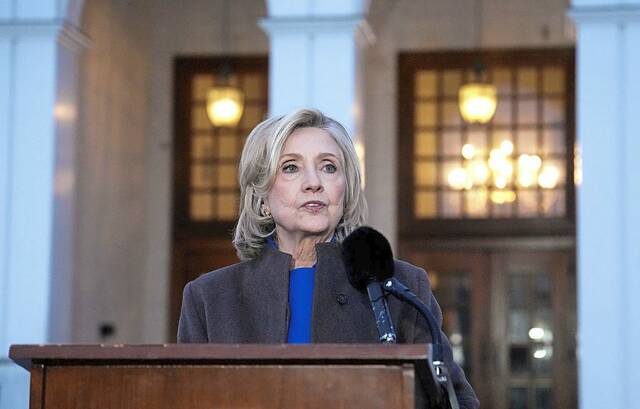
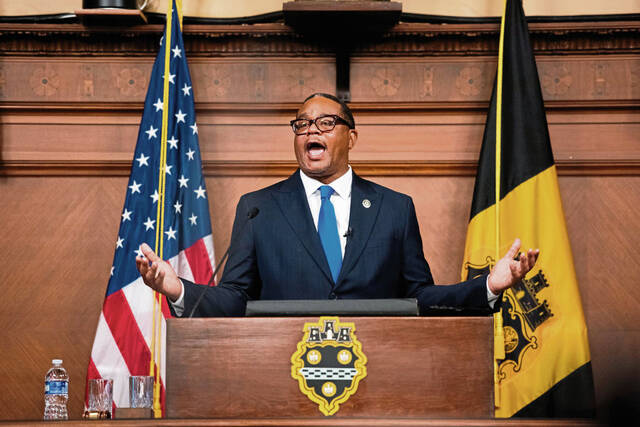
Here’s who’s on the board now:
Denise Smyler — Democrat, chair; former general counsel of Pennsylvania
Ed Gainey — Democrat; former mayor of Pittsburgh
Sara Manzano-Díaz — Democrat; senior regulatory and legal executive
Maria Quiñones Sánchez — Democrat; former Philadelphia City Council member
Shawn Dillon — Democrat; senior auditor
George Dunbar — Republican; former state representative
Christopher Huffman — Republican; attorney
So yes, Democrats have five seats. Even if the law now doesn’t explicitly cap parties, the original law was meant to keep it balanced. Clearly, the balance is off, and the board’s composition could affect how the public perceives fairness in overseeing the gambling industry.
The governor, a former district attorney, is supposed to ensure appointments are fair. How did we get a board where one party dominates? Mistake or intentional. If the governor didn’t check this, what else might be happening quietly in state agencies without proper oversight?
And here’s a question few are asking: How were these board members selected, and why was there no meaningful public input? Decisions impacting billions in revenue and public trust shouldn’t happen behind closed doors. Citizens deserve a voice in shaping the people responsible for overseeing our gaming industry.
Let’s talk time and money. Board members make around $145,000 a year. The board meets only once or twice a month, meaning they could spend as little as 5-10 hours per month, or maybe up to 20-30 hours if they really dig in. That’s a lot of cash for not a lot of time, especially given the importance of regulating a multi-billion-dollar industry.
Even though the board members are individually impressive, the group doesn’t reflect the balance lawmakers originally intended. That imbalance could affect public confidence in the agency’s decisions and fairness.
For example, recent licensing decisions for new slot machine operators have raised eyebrows. Some critics argue that having one party dominate the board may influence which applicants get approvals faster or receive more favorable terms, even if unintentionally. That’s the kind of real-world impact this imbalance can create.
And here’s the kicker: Are we supposed to notice this? Is it on purpose? If this board can ignore the party balance, what else might be slipping by without anyone watching? How many other parts of Pennsylvania government are quietly making decisions without sufficient oversight?
Oversight matters. When one party dominates, even honest commissioners could be accused of favoritism. The public deserves a fair game and a board that lives up to the laws and intentions that created it.
So, Pennsylvania: How did this happen? Did someone mess up, or did we just ignore the original intent of the law? And when will the board restore the intended balance? Until then, the watchdogs are napping, and we’re left wondering if the house is really playing fair. Pennsylvania deserves better — it’s time to deal a fair hand.
Jason Lias is from Ford City, and frequently writes on political and social topics