
https://triblive.com/opinion/kenny-stein-future-of-ai-in-pa-begins-with-regulatory-reform/
Kenny Stein: Future of AI in Pa. begins with regulatory reform

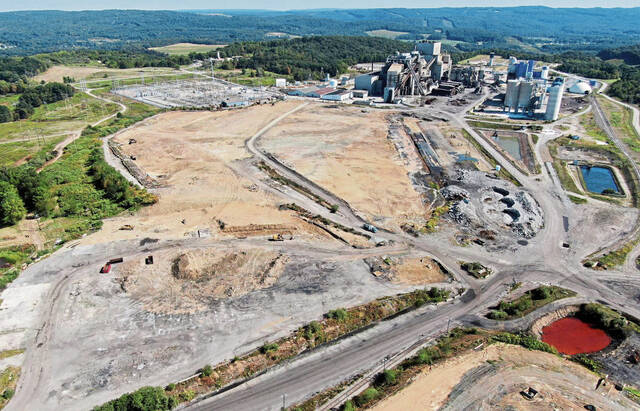
Artificial intelligence and data centers are the hottest investment topics at the moment, reminiscent of the Amazon headquarters sweepstakes of the past.
This time, increased energy demand, combined with flexibility in location, means that almost any part of the country where the energy supply is abundant is a potential data center hub. Pennsylvania’s vast natural-gas reserves make it a viable candidate, with proposed projects like the Homer City redevelopment already underway. The state hopes to follow Texas’ example, where a gas surplus in the western part of the state has attracted data center investment, such as the massive $500 billion Stargate project led by OpenAI and its partners.
But becoming a data center hub requires more than just surplus energy. Being able to build fast is also of paramount importance. The data center industry measures projects in months rather than years. Developers and investors must move quickly to adapt to rapid growth in processing demand. They are unlikely to pursue projects that face several years of regulatory hurdles. Permitting is the factor that could short-circuit Pennsylvania investment before it even gets started.
Crucially, though, permitting extends far beyond state and local land-use rules for the physical data center site. New data centers often involve constructing new electricity-generation facilities and upgrading transmission and distribution infrastructure. Natural gas pipelines are currently at capacity. If we don’t address our infrastructure, a drastic increase in demand will likely result in supply bottlenecks.
Part of the draw that has brought investment to Texas is predictability: The data center industry knows what it can build and how long it will take to build it. This derives from a broad state government regulatory approach that welcomes investment, in contrast to Pennsylvania’s reputation for drawn-out permitting processes and litigation.
So, how does a state reform its regulatory environment to welcome data center investment?
First and foremost, reforms should be broad-based and universal, applying to all types of projects and investments. Special permit-streamlining programs or tax credits for data centers will do nothing for the wider economy and could even embolden opposition on the grounds of special treatment for large tech firms.
If there is no prospect for quickly building new power plants, rapidly building one or two data centers serves no purpose.
And in some cases, the speed of building isn’t as rapid as it should be. In the spring of 2024, Amazon began working with local officials to build data centers in Pennsylvania. A year later, Gov. Josh Shapiro heralded the project, announcing new tax incentives to cement Amazon’s $20 billion investment. But even with all the additional corporate welfare secured and “expedited” permitting, this data center is scheduled to take twice as long to develop as the much larger Stargate project.
Pennsylvania took a huge step toward communicating that it is open for all business last week when the four-month-late state budget eliminated a pending carbon tax and passed additional permit reform.
But we can’t stop there: Unleashing Pennsylvania’s energy potential requires a predictable regulatory environment. Pennsylvania lawmakers must ensure producers can safely produce and transport more natural gas throughout the state and beyond while also speeding up power plant permitting to expand in-state electricity generation. Making energy more plentiful will provide the draw for data centers while also reducing electricity bills for existing residents and businesses. Cheap energy becomes a long-term benefit that will also draw numerous other industries after the AI craze has passed.
The lure of the data center should not be the end goal of any regulatory reform effort. The near-term investment opportunity should spur changes that will improve the state’s overall long-term investment climate. Thus, permitting reforms that benefit all businesses and encourage energy production that lowers costs for all industries should be the focus. Special deals or favors for one specific industry will not yield long-lasting benefits.
Economic trends come and go, but an inviting regulatory environment can lay the groundwork for future innovation. Pennsylvania has several inherent advantages that make it well-positioned to capitalize on the data center investment wave. But the state’s unpredictable and convoluted regulatory regime is holding it back. Efforts to fix this should raise all boats, leaving the whole state better off when the tech investment tide eventually recedes.
Pennsylvania’s historically affordable energy was a primary driver for its once-robust manufacturing sector. Reclaiming that mantle will assuredly make Pennsylvania great again.
Kenny Stein is the director of policy for the Institute for Energy Research.
Copyright ©2026— Trib Total Media, LLC (TribLIVE.com)