Laurel: To new ways of thinking. For many community leaders, animal control is treated as just that — controlling the animals. Pick them up when they become a problem, hand them off to someone else to deal with however they choose, and move on.
Delmont is joining a growing number of communities willing to approach animal control in a more humane, thoughtful way.
By inviting representatives from no-kill shelter Whiskey Acres Rescue and Sanctuary to explain their services, council signaled this decision is about more than logistics. It is also about values, accountability and how a community defines its responsibility once an animal is removed from a home or street.
Nothing is decided yet, and that restraint is appropriate. Any change will need to account for contract terms, costs and capacity.
But Delmont’s process — open, deliberate and rooted in compassion and practicality — is worth recognizing. It shows leadership does not require rushing, only willingness to reconsider longstanding assumptions.
Lance: To unwanted uncertainty. The last thing anyone wants during an emergency is confusion. People should know who is responding, where help is coming from and who is in charge the moment a call is placed.
That clarity is now missing in Fawn, which stands alone as surrounding communities finalize their emergency medical services coverage.
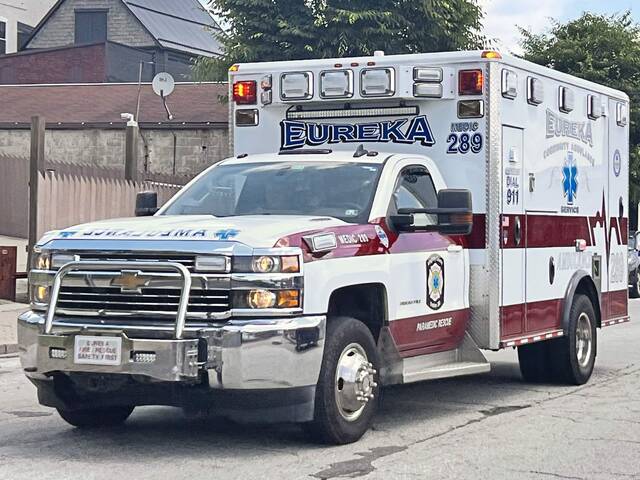
Right now, Eureka Community Ambulance Service responds to Fawn calls, along with needs in Brackenridge and Tarentum, but not for long. Eureka will be merging with Citizens Hose EMS of Harrison to create the Alle-Kiski Emergency Services Authority. Brackenridge, Tarentum and Harrison are covered by the new entity, while East Deer and Frazer are moving to Lower Valley Ambulance Service.
Fawn has yet to settle on a path forward. Officials say they will “consider all options,” but residents are left without a clear answer to a critical question: what happens next?
Being deliberate and thoughtful is often a virtue in government. But emergencies do not wait for future meetings or unresolved debates. When it comes to heart attacks, strokes and serious injuries, decisiveness matters. Indecision is not neutral — it is a risk.