
A primary is different from a general election. It is the earlier opportunity for registered members of a party to have their say in who will represent them on the ticket in November.
Primaries, given that they are between fellow Democrats or Republicans, should be more collegial. They should be a time to lay out a case for support — and to excite the party faithful about the potential. Ideally, voters should go into the primary enthusiastic, knowing the party wins no matter who comes out on top.
That is rarely what happens.
The primary process has become an opportunity for an intraparty bloodbath where whoever survives moves forward to the final boss battle. It can be less about who the people want than who the party does — or who power players want to punish.
“Primarying” has become a verb. It describes what happens when a party or a leader — sometimes even a president — decides to discipline someone for failing to stay in line. Do what we want, or we will find someone who will.
Incumbents are not inviolate. Indeed, a primary should be the opportunity each time an office comes up for the people to decide whether they want to stick with the status quo or choose a new direction. Instead, we see primaries used as a cudgel against some candidates, while others are discouraged from participating to preserve power.
Backing an opponent is a well-worn tactic on both sides of the aisle as Republicans move further to the right and Democrats more to the left. The best way to win a spot on the ballot is to appeal to the base.
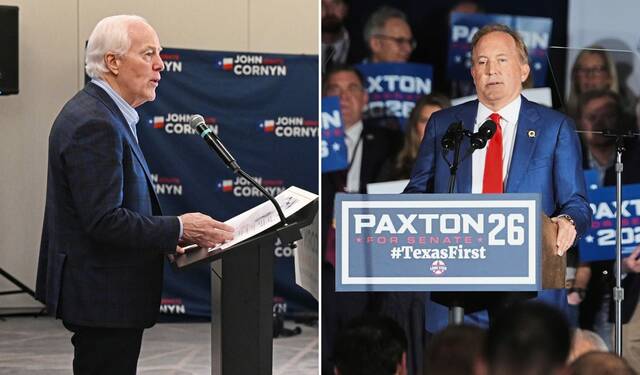
In Texas, Senate Republicans are dealing with a runoff election, as some factions supported incumbent Sen. John Cornyn and others his more volatile opponent, former Texas Attorney General Ken Paxton. Neither candidate topped 50% in Tuesday’s primary, prompting a second round for the top vote-getters.
Now, Republican leaders are trying to get Paxton to remove himself from the process, effectively handing the nomination to Cornyn. This is probably less about politics than money, given that $128 million has been spent on the Senate race between the two parties and multiple candidates. Cornyn’s camp alone has dropped more than $70 million. A second round of primaries would burn even more cash better saved for the general election.
But in Montana, the shenanigans involved a last-minute move by U.S. Sen. Steve Daines, who pulled his name from the Republican primary minutes before the deadline. That left just enough time for his handpicked heir, U.S. Attorney Kurt Alme, to slide into an uncontested run for his first statewide office.
This is nothing new. It is all too familiar. At least Daines did not do what often happens, with an incumbent running for reelection and then stepping down shortly after being sworn in again. The seat is then effectively gifted to a successor, either through appointment or a special election that amounts to much the same thing.
And all of this moves further away from the point, which is that the people are supposed to do the deciding. When incumbents orchestrate their own dynasties of followers or when kingmakers keep them in place with money and handpicked challengers, the people are shut out of their own process.
Primaries should be varied. There should be new people deciding to participate every time. Every election — primary, general or special — should remain a mystery until the last vote is counted.
When that doesn’t happen, the election becomes meaningless.