The more things change at the U.S. Postal Service, the more they stay the same, unfortunately. The volume of mail moving through the system continues to drop, yet the size of the workforce, thanks to a bad decision by former Postmaster General Louis DeJoy to add full-time employees, has ballooned.
During his tenure, DeJoy never seemed to grasp the fundamental concept that more people delivering less mail won’t make the postal service profitable. Nonetheless, it’s a program he pursued through his much-maligned and now-discredited Delivering for America plan.
New Postmaster General Dave Steiner has a chance to prove the new boss isn’t, as a late-’60s rock ‘n’ roll anthem put it, “same as the old boss.” So far, though, he’s off to a bad start.
While service remains off, the price of stamps and shipping costs have recently been raised. The relationship with one of the USPS’s most significant customers, Amazon, is under review and in jeopardy.
The service’s year-end financials didn’t contain a single encouraging note. DeJoy’s campaign to move work done by the private sector in house has proven very costly. His hiring binge, which added nearly 200,000 career postal employees to the workforce, brought the workforce to a level not seen in two decades — when the total volume of mail moving through the system was more than twice what it is now.
To no one’s surprise, the USPS experienced a $9 billion net income loss last year thanks to DeJoy’s so-called reforms. Steiner should be looking for ways to trim the fat immediately and, as critics of postal service operations have, follow President Donald Trump’s lead by putting a freeze on new hires, rather than bulking up on temporary employees to get everyone through the holiday season.
Steiner will get the USPS at least partway out of the fiscal hole it’s in if he stops the digging that was the hallmark of DeJoy’s time as postmaster general. There are more than enough postal workers to do the job required, even after modest reductions in the workforce over the last 12 months. And you must focus on personnel rather than service because that’s where the money is: 80% of costs are labor-related. Making do with less while doing more is a core component of retrenchment in the private business.
Trump is trying to incorporate that spirit into the operations of the federal government. The USPS, which is an uncomfortable blend of the two systems, must take that approach as well.
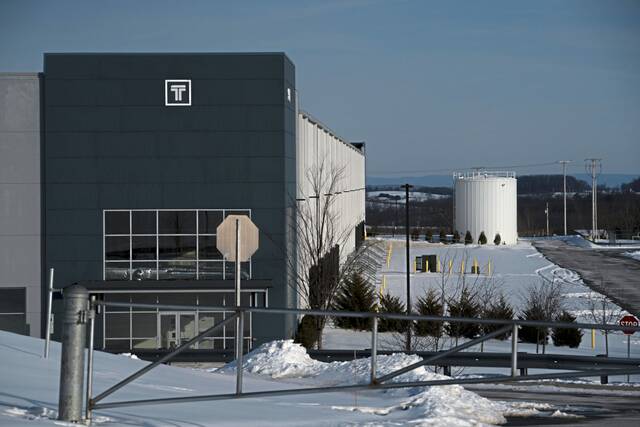
There are things beyond labor costs that should be reevaluated. Under DeJoy, the USPS invested billions to build out its middle-mile processing and transportation capacity, while other companies big in logistics — Amazon, UPS, FedEx — were cutting back.
What DeJoy did was the wrong thing at the wrong time, but we’ll all be paying for it for years to come. Delivery times increased as new, regional hubs like the one in Atlanta, Ga., opened for business. DeJoy’s push to turn the USPS into the kind of company he knew put a burden on things that may eventually fall on taxpayers.
Putting it as simply as possible, there’s no time left for cutting away at the fringes.
Steiner needs to lead an overhaul that begins with more outsourcing rather than new insourcing. Let the private sector do what it does better and cheaper while focusing the USPS on providing faster, more efficient and less costly core service: the congressionally mandated six-day-per-week mail delivery to homes and businesses across the United States.
DeJoy, who wanted to own the “middle mile,” didn’t make it a priority to have mailers, shippers and logistics companies put their items into the postal system as close to their destination as possible. If Steiner embraces public-private partnerships that provide workshare incentives for sorting, processing and transportation, and gets out of non-core business activities (payments, banking and other commercially duplicative activities), he can be both the hero and the GOAT — “the greatest of all time.”
Peter Roff is former U.S. News & World Report contributing editor and UPI senior political writer now affiliated with several Washington, D.C.-based public policy organizations.