
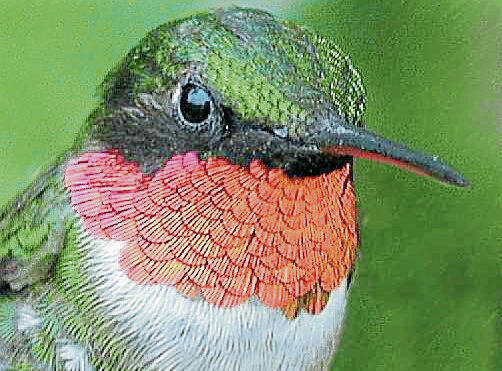
Hummingbird season is drawing to an end for 2021 in Pennsylvania and other northern states. Most of the tiny birds that spent the summer here, or were hatched here this summer, are now on their way south for the colder months.
The adult males began their journey south as early as mid-July, and the peak of the migration, including the adult females and the young of this year, ran from late August through the first half of September.
Most of the birds now being seen at hummingbird feeders in Pennsylvania spent the summer to our north and are migrating through the state to points south.
Those hummers moving south across Pennsylvania now can find an energy boost in the sugar-water nectar available in our feeders. Although they can find plenty of nectar in fall wildflowers and protein from the small insects and spiders they will eat, feeders are an easy and concentrated source of nourishment.
The availability of feeders may even mean the difference for sick, injured, old or otherwise impaired hummingbirds that may be struggling their way to the south. That need grows even greater for the few birds that will be passing through further into the fall.
It can be beneficial to keep the hummingbird feeders in place, cleaned and filled with fresh nectar. (The nectar should not contain red dye. It serves no purpose and could be harmful to the tiny birds.)
Hummingbird activity up at your feeders? It could be one of the signals that migration is under way
Although it’s now on its seasonal migratory decline, the number of hummers making the southward journey may be nearly double that of the birds that made the northward flight last spring. Surviving adults have now been joined by the immature birds they produced in this summer’s nesting.
Small numbers of the southward-flowing birds will spend the winter along the U.S. Gulf Coast and in the Outer Banks of North Carolina, but most will continue west and then south around the Gulf to the area between southern Mexico and northern Panama.
After the last of the hummingbirds coming from the north have moved through Pennsylvania, we will be mostly free of hummers until sometime between late next March and the middle of next April, according to hummingbirds.net, which has been tracking the annual migration of the ruby-throated hummingbird since 1996.